World history3500 BC – 486 BC24 events

Early Civilizations and Empires

From the first civilizations in the great river valleys to the first empires of the Near East, India and China — comparing their writing, law, religion and rule
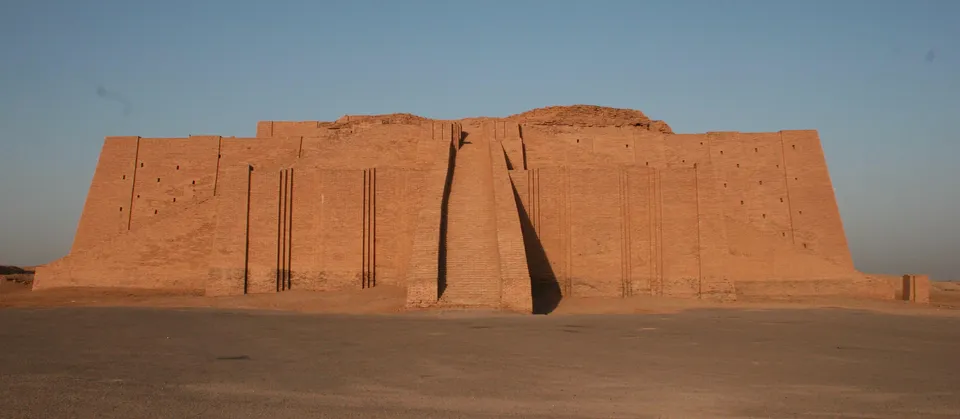
우르의 지구라트 — 메소포타미아 수메르의 도시 국가가 쌓은 계단식 신전

Tla2006 (English Wikipedia) · Public domain · Source

At a glance

Civilization · statePeriodRegionKey points
Sumerian city-statesc. 3500 BCSouthern MesopotamiaCuneiform, ziggurats, base 60
Unified Egyptc. 3100 BCNile valleyDivine pharaoh, hieroglyphs, solar calendar
Indus civilizationc. 2500 BCIndus valleyPlanned cities, drains; script undeciphered
Akkadc. 2334 BCMesopotamiaSargon; first unification of Mesopotamia
Gojoseon2333 BC (Samguk yusa)Liaoning, NW KoreaDangun founding myth; Bronze Age
Old Babylonia18th century BCMesopotamiaCode of Hammurabi: retaliation, rank-based
Shang (Yin)c. 1600 BCMiddle & lower Yellow RiverOracle bones, bronzes, theocracy
Hittites17th–12th century BCAnatoliaChariots, iron; ended Old Babylonia
New Kingdom Egyptc. 1550 BCNile to SyriaThutmose III’s campaigns; Aten reform
Aryansc. 1500 BCPunjab to GangesVedas, Brahmanism, varna
Phoeniciac. 1050 BCEastern Mediterranean coastSea trade; alphabet (root of ours)
Zhou (Western Zhou)c. 1046 BCYellow River (Haojing)Feudalism, lineage law, Mandate of Heaven
Hebrew kingdomc. 1000 BCPalestineOne God Yahweh, chosen people, Messiah
Assyria7th century BCFirst to unite the Near EastIron weapons, provinces, harsh rule
Neo-Babylonia626–539 BCMesopotamiaNebuchadnezzar II; Babylonian captivity
Achaemenid Persia550–330 BCIndus to Aegean and EgyptTolerance, satraps, Royal Road

The theme on the map

OpenFreeMap © OpenMapTiles © OpenStreetMap contributors

24 events in this theme

  1. On the lower Tigris and Euphrates the Sumerians founded city-states such as Ur and Uruk and pressed cuneiform signs into clay tablets — the beginning of Mesopotamian civilization.

  2. 3100 BC – 2686 BCUnification of Egypt

    Upper and Lower Egypt along the Nile were joined into a single kingdom, traditionally by Menes, who is usually identified with King Narmer.

  3. Built as the tomb of the pharaoh Khufu. It is the only one of the Seven Wonders of the Ancient World still standing.

  4. 2500 BC – 1900 BCIndus Valley Civilization

    Planned cities such as Harappa and Mohenjo-daro rose along the Indus, with brick houses, drains and a great public bath, but their script still cannot be read.

  5. 2334 BC – 2154 BCRise of the Akkadian Empire

    Sargon of Akkad conquered the Sumerian city-states and founded the first empire to unite Mesopotamia.

  6. Dangun Wanggeom is said to have founded Gojoseon, the first Korean state, with its capital at Asadal.

  7. Bronze came into use around 2000–1500 BCE. Rice farming began, private property and classes emerged, and chieftains came to rule.

  8. King Hammurabi of Old Babylonia, who reunited Mesopotamia, had 282 laws carved on a stone stele, including the retaliation principle known as “an eye for an eye”.

  9. The Shang, rising on the Yellow River, is the oldest Chinese dynasty confirmed by evidence. Its kings decided affairs by divination with turtle shells and animal bones, and the oracle-bone inscriptions became the root of Chinese characters.

  10. The Hittites of Anatolia, led by horse-drawn chariots, sacked Babylon and ended the Old Babylonian kingdom. They are known as an early iron-working people.

  11. Having expelled the Hyksos, Egypt entered the New Kingdom. Thutmose III campaigned through Syria and Palestine to the Euphrates, carrying Egyptian power to its widest extent.

  12. Aryans from Central Asia entered the Punjab on the upper Indus and spread into the Ganges valley. They composed the Rigveda and created the social order of the varnas.

  13. Amenhotep IV replaced the god Amun with the sole worship of the sun disc Aten, renamed himself Akhenaten and moved the capital to Amarna, but the reform was reversed after his death.

  14. Ramesses II of Egypt and Muwatalli II of the Hittites clashed at Kadesh in Syria with thousands of chariots. Neither side won, and the two kingdoms later made peace.

  15. The Phoenicians of the eastern Mediterranean coast prospered through seaborne trade and wrote with an alphabet of 22 consonant letters, which passed through the Greeks to become the root of today’s alphabet.

  16. King Wu of Zhou overthrew the Shang at the Battle of Muye and founded the Zhou dynasty with its capital at Haojing, ruling through a feudal system in which royal kin and loyal followers governed as lords.

  17. Mandolin-shaped bronze daggers, table-type dolmens and Misong-ri pottery spread across Liaoning and northern Korea, tracing the reach of Gojoseon.

  18. The Hebrews settled in Palestine and built a prosperous kingdom centred on Jerusalem under David and Solomon. Their faith in the one God Yahweh, Judaism, became the root of Christianity and Islam.

  19. After the Quanrong sacked Haojing, King Ping of Zhou moved the capital east to Luoyi (Luoyang). Royal authority waned and the Spring and Autumn period began, in which feudal lords vied for hegemony.

  20. Armed with iron weapons, chariots and cavalry, Assyria conquered as far as Egypt and united the ancient Near East for the first time, but its harsh rule provoked revolts and it soon collapsed.

  21. Nebuchadnezzar II of Neo-Babylonia destroyed Jerusalem and carried the people of Judah off to Babylon (the Babylonian captivity). Babylon became a great city adorned with the Ishtar Gate.

  22. Cyrus II of Persia overthrew Media and conquered Lydia and Neo-Babylonia; when his son Cambyses II took Egypt, the Near East was united once more.

  23. Darius I divided the empire into some twenty provinces (satrapies) under governors (satraps), watched them through “the King’s Eyes and Ears”, and bound the empire together with the Royal Road and its relay stations.

  24. 500 BCIron Age

    Iron arrived around the 5th century BCE and began to be used for farm tools and weapons; on this base several states arose.

Key people

  • Sargon of Akkad

    Founder of the Akkadian Empire (r. c. 2334 – c. 2279 BC), the first to unite Mesopotamia

  • Dangun Wanggeom

    Legendary founder of Gojoseon, whose story is told in the Samguk yusa

  • Hammurabi1750 BC

    Sixth king of the First Dynasty of Babylon (r. 1792–1750 BC), who united Mesopotamia and issued the Code of Hammurabi

  • Thutmose III1425 BC

    Eighteenth-Dynasty pharaoh of New Kingdom Egypt (r. 1479–1425 BC) whose campaigns extended Egyptian power through Syria to the Euphrates

  • Akhenaten1336 BC

    Eighteenth-Dynasty pharaoh (r. c. 1353 – c. 1336 BC), born Amenhotep IV, who imposed the sole worship of the Aten

  • Ramesses II1303 BC – 1213 BC

    Nineteenth-Dynasty pharaoh (r. 1279–1213 BC) who fought at Kadesh, made peace with the Hittites and built Abu Simbel

  • King Wu of Zhou1043 BC

    King who overthrew the last Shang ruler at Muye and founded the Zhou dynasty; his brother the Duke of Zhou served his heir

  • David

    Second king of the Hebrew kingdom (c. 1000 BC), who made Jerusalem his capital

  • Solomon

    Son of David who led the Hebrew kingdom at its height (10th century BC) and, according to the Bible, built the Temple of Yahweh in Jerusalem

  • Ashurbanipal

    King of Assyria (r. 669 – c. 631 BC) who assembled a great library of clay tablets at Nineveh

  • Nebuchadnezzar II562 BC

    King of the Neo-Babylonian Empire (r. 605–562 BC) who destroyed Jerusalem and deported the people of Judah to Babylon

  • Cyrus the Great530 BC

    Founder of the Achaemenid Persian Empire (r. 559–530 BC), who conquered Media, Lydia and the Neo-Babylonian Empire in turn