Sumerian City-States and Cuneiform
Also called: Mesopotamian civilization, Cuneiform, Sumer
On the lower Tigris and Euphrates the Sumerians founded city-states such as Ur and Uruk and pressed cuneiform signs into clay tablets — the beginning of Mesopotamian civilization.
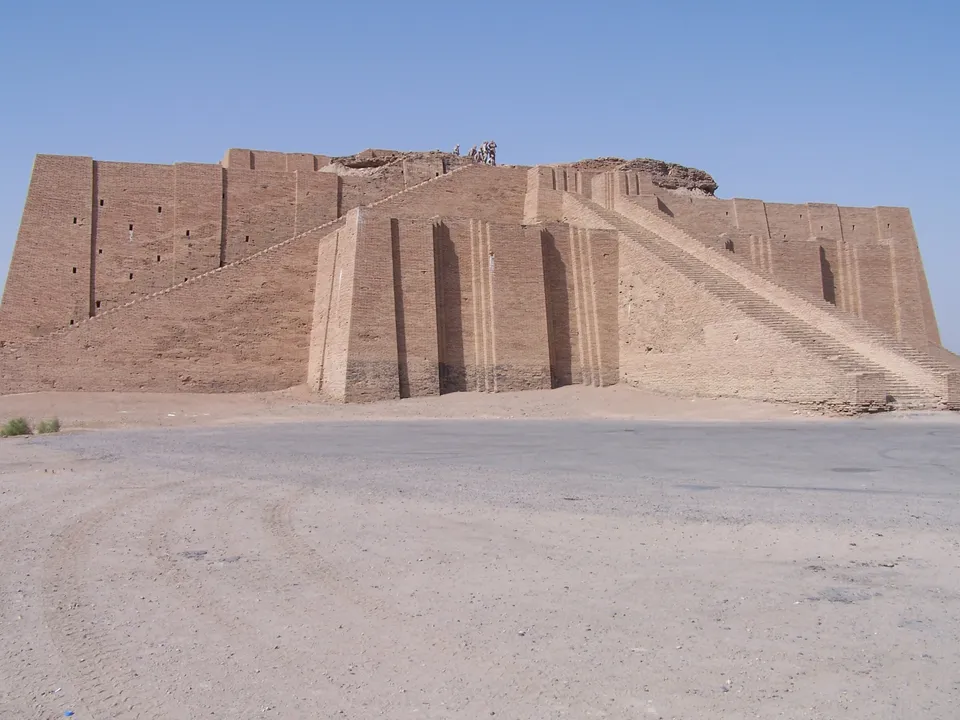
Southern Mesopotamia, “the land between the rivers”, had little rain but yielded rich harvests through irrigation. From about 3500 BC the Sumerians built city-states such as Ur, Uruk and Lagash. At the heart of each stood a stepped temple, the ziggurat, to its patron god, and the king ruled as the god’s deputy, leading both worship and government (theocracy).
Around 3200 BC at Uruk, picture-signs used to count grain and livestock developed into cuneiform, pressed into clay with a reed stylus. The Sumerians used a base-60 number system and a lunar calendar, worked with the wheel and bronze, and left the Epic of Gilgamesh.
Open on every side, Mesopotamia suffered frequent invasions and changes of rulers, which is thought to have fostered a practical culture focused on this life rather than the next. Cuneiform passed on to the Akkadians, Babylonians, Assyrians and Persians and became the common script of the ancient Near East. At the same time the Korean peninsula was in its Neolithic age of comb-pattern pottery.