Neo-Babylonia and the Babylonian Captivity
Also called: Babylonian captivity, Babylonian exile, Chaldean Empire
Nebuchadnezzar II of Neo-Babylonia destroyed Jerusalem and carried the people of Judah off to Babylon (the Babylonian captivity). Babylon became a great city adorned with the Ishtar Gate.
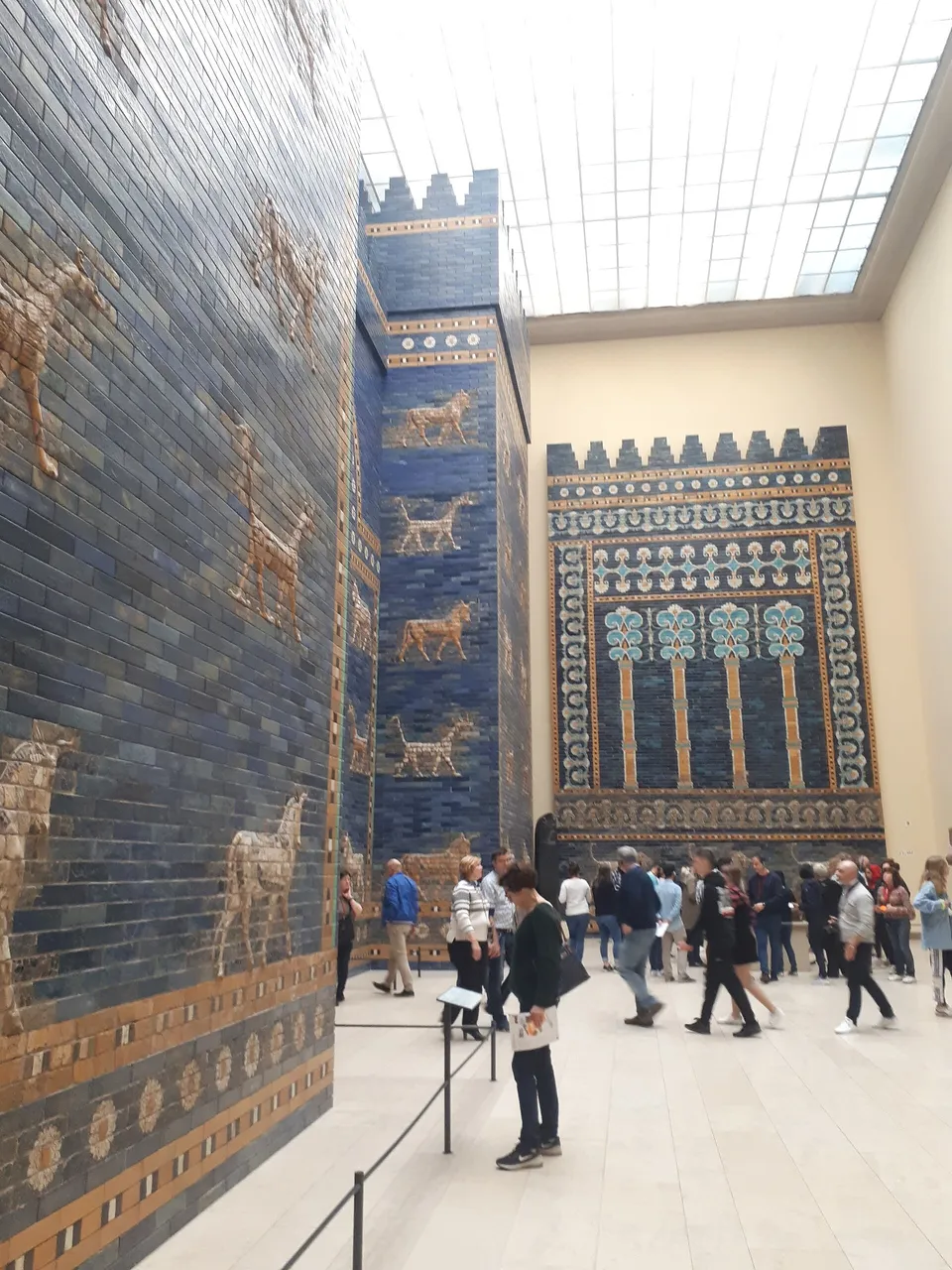
After Assyria fell, the Neo-Babylonian Empire founded by the Chaldeans took Mesopotamia and Syria. Nebuchadnezzar II (r. 605–562 BC) defeated Egypt at Carchemish and struck the rebellious kingdom of Judah, destroying Jerusalem and its Temple in 587 or 586 BC. Many of its people were deported to Babylon, an exile known as the Babylonian captivity.
He adorned Babylon with massive walls and the Ishtar Gate of blue glazed brick and rebuilt its great ziggurat. The so-called Hanging Gardens are also attributed to him, though their existence is unconfirmed. In 539 BC Neo-Babylonia fell to Cyrus II of Persia, and the Jews returned home to rebuild their Temple.