Assyrian Unification of the Near East
Also called: Neo-Assyrian Empire, Fall of Nineveh
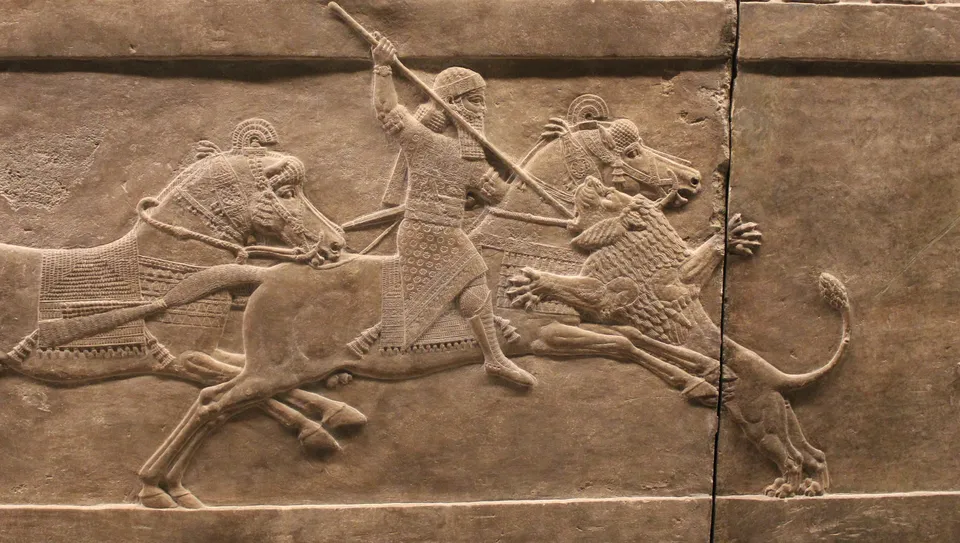
Armed with iron weapons, chariots and cavalry, Assyria conquered as far as Egypt and united the ancient Near East for the first time, but its harsh rule provoked revolts and it soon collapsed.
Zunkir · CC BY-SA 4.0 · Source
From the 9th century BC Assyria, on the upper Tigris, set out on conquest with a powerful army of iron weapons, chariots and cavalry. It destroyed the kingdom of Israel in 722 BC, and in 671 BC Esarhaddon conquered Egypt, creating the first empire to unite Mesopotamia, Syria and Egypt.
Assyria divided conquered lands into provinces under governors and built roads and relay stations to carry royal orders quickly. But it punished resisting peoples cruelly, deported them by force and imposed heavy taxes. Ashurbanipal (r. 669 – c. 631 BC) assembled a library of tens of thousands of clay tablets at the capital Nineveh, among them the Epic of Gilgamesh.
Amid repeated revolts, Nineveh fell in 612 BC to the combined forces of the Neo-Babylonians and the Medes. The Near East was then divided among four kingdoms: Neo-Babylonia, Media, Lydia and Egypt.