Hittite Sack of Babylon
Also called: Hittites
The Hittites of Anatolia, led by horse-drawn chariots, sacked Babylon and ended the Old Babylonian kingdom. They are known as an early iron-working people.
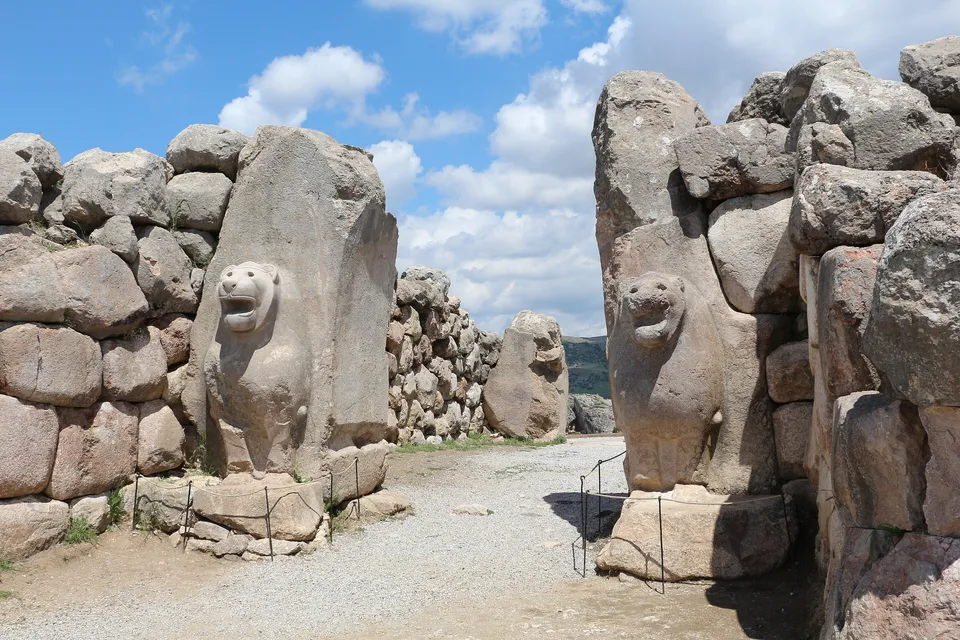
Bernard Gagnon · CC BY-SA 3.0 · Source
The Hittites, who spoke an Indo-European language, founded a kingdom in central Anatolia (modern Türkiye) around the 17th century BC with its capital at Hattusa. Masters of the light horse-drawn chariot, under Mursili I they raided as far as Babylon around 1595 BC and brought down the Old Babylonian kingdom. Babylonia then passed to the Kassites.
The Hittites were famed for early ironworking, and textbooks often say their iron weapons made them a threat across the Near East. Yet iron was still a precious material, and many scholars think the idea that a Hittite monopoly on iron made them strong is exaggerated. The Hittites fought Egypt at Kadesh in the 13th century BC and collapsed around 1200 BC amid the movements of the “Sea Peoples”, after which ironworking spread throughout the Near East.