Conflictc. 1274 BC

Battle of Kadesh

Ramesses II of Egypt and Muwatalli II of the Hittites clashed at Kadesh in Syria with thousands of chariots. Neither side won, and the two kingdoms later made peace.
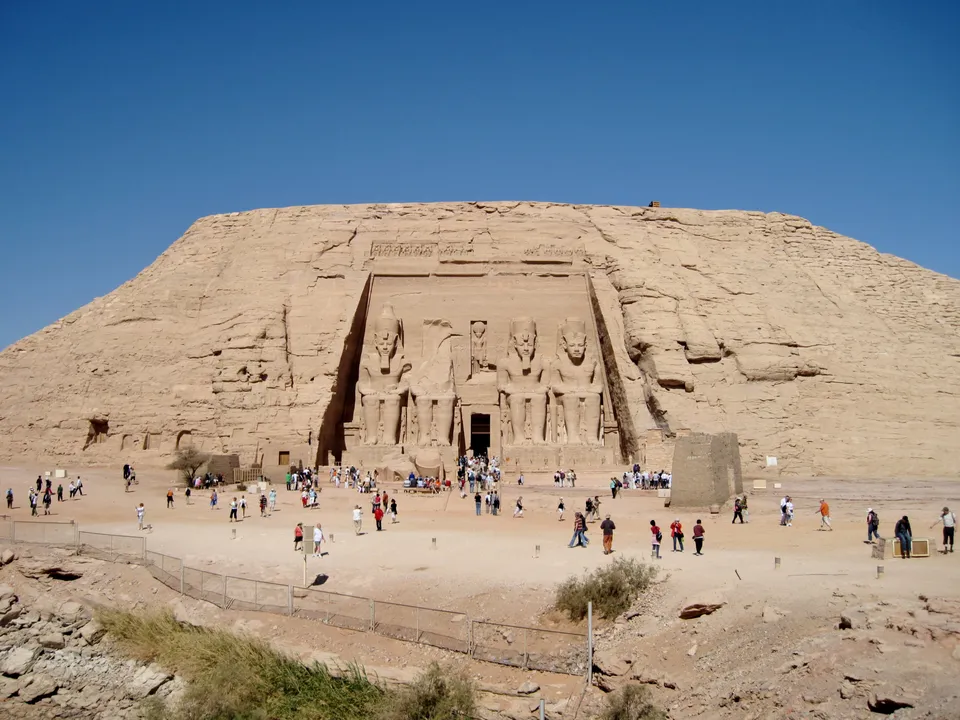
Great Temple of Ramesses II at Abu Simbel, whose inner walls depict the Battle of Kadesh

Olaf Tausch · CC BY 3.0 · Source

Rivals for Syria, Egypt and the Hittites met around 1274 BC at Kadesh on the Orontes, in the largest chariot battle on record. Ramesses II was caught by a Hittite surprise attack and barely held out. He had it carved on temple walls as a great victory, but Kadesh stayed in Hittite hands and the battle is generally seen as a draw.

Around 1259 BC Ramesses II and the Hittite king Hattusili III agreed a treaty of non-aggression and mutual help. Surviving in both Egyptian and Akkadian versions, it is often called the oldest peace treaty whose text survives. Ramesses II also left vast monuments such as the temples of Abu Simbel.

The map in 1274 BC

OpenFreeMap © OpenMapTiles © OpenStreetMap contributors

States at the time
New Kingdom of Egypt · belligerent
Hittite Empire · belligerent
Places
Kadesh

People

  • Ramesses II1303 BC – 1213 BC

    commander · Nineteenth-Dynasty pharaoh (r. 1279–1213 BC) who fought at Kadesh, made peace with the Hittites and built Abu Simbel

Before and after

Later
492 BC Persian Wars

Themes that include this event

  • Early Civilizations and Empires3500 BC – 486 BC

    From the first civilizations in the great river valleys to the first empires of the Near East, India and China — comparing their writing, law, religion and rule