Founding of the Achaemenid Persian Empire
Also called: Achaemenid Empire, Persian Empire
Cyrus II of Persia overthrew Media and conquered Lydia and Neo-Babylonia; when his son Cambyses II took Egypt, the Near East was united once more.
Prioryman · CC BY-SA 3.0 · Source
The Persians of the southwestern Iranian plateau had been subject to the Medes until, around 550 BC, Cyrus II overthrew Media and founded the Achaemenid dynasty. He conquered Lydia in Asia Minor around 546 BC and Neo-Babylonia in 539 BC. When his son Cambyses II took Egypt in 525 BC, the Near East, divided since the fall of Assyria, was reunited.
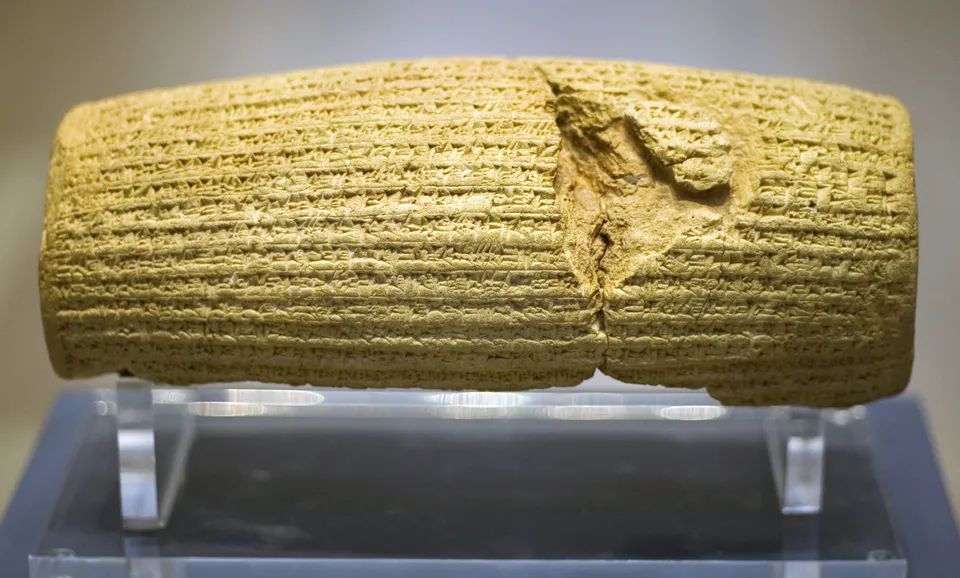
Cyrus followed a policy of tolerance, respecting the religions and customs of conquered peoples. He allowed the Jews exiled in Babylon to return to Jerusalem and rebuild their Temple, as recorded in the Cyrus Cylinder and the Old Testament. Unlike Assyria, which collapsed under its own harshness, Persia granted wide self-rule to its subjects, a foundation for an empire that lasted over two centuries.
Under Darius I Persia became a great empire stretching from the Indus to the Aegean and Egypt, and then went to war with Greece in the Persian Wars. It fell to Alexander in 330 BC.