Founding of the Zhou and Its Feudal System
Also called: Western Zhou, Battle of Muye, Mandate of Heaven
King Wu of Zhou overthrew the Shang at the Battle of Muye and founded the Zhou dynasty with its capital at Haojing, ruling through a feudal system in which royal kin and loyal followers governed as lords.
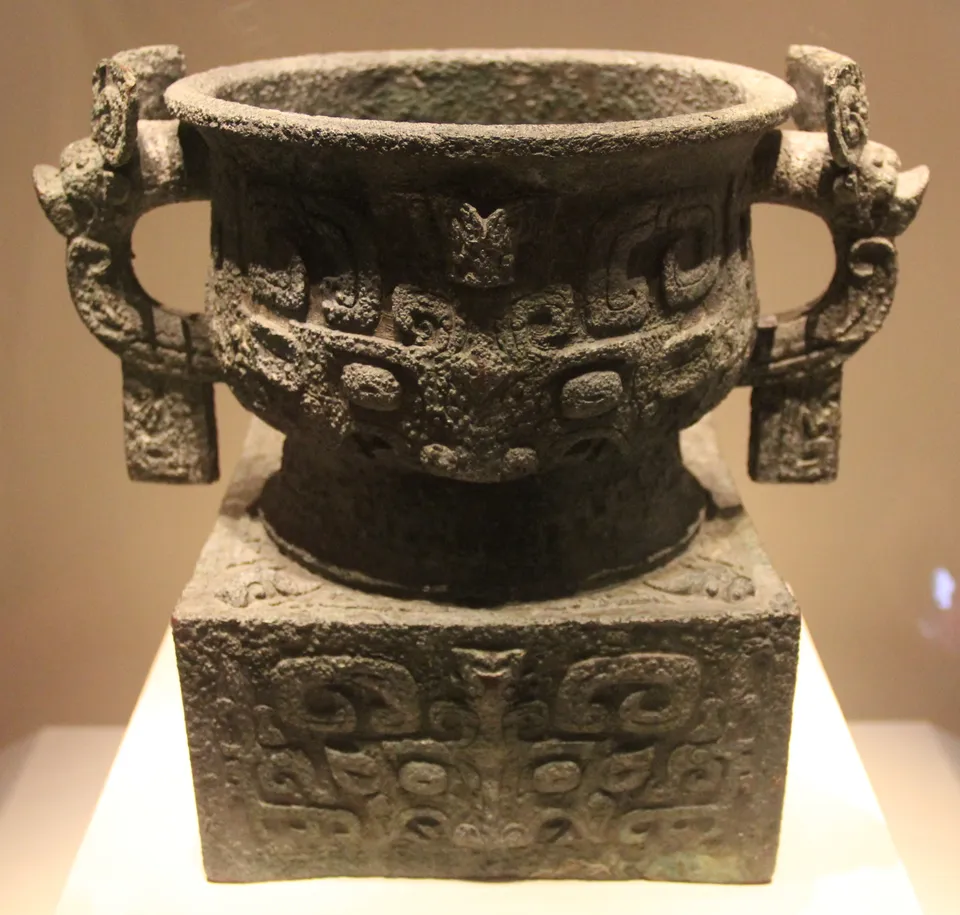
Having grown strong in the Wei River valley, the Zhou founded their dynasty around 1046 BC when King Wu defeated the last Shang king at Muye. Their capital was Haojing, near modern Xi’an. When Wu died young, his brother the Duke of Zhou is said to have served the boy King Cheng, crushed revolts and set rites and institutions in order.
To rule a vast realm the Zhou adopted a feudal system. The king governed the area around the capital himself and granted the rest as fiefs to relatives and meritorious followers. These lords ruled their lands, sent tribute and troops to the king, and in turn granted land to ministers, great officers and gentlemen below them. The bonds rested on kinship and were upheld by the lineage law (zongfa), under which the eldest son of the principal wife inherited.
The Zhou justified their conquest by saying the Mandate of Heaven had passed to the virtuous. This idea later became the theory that a dynasty could rightfully be replaced. Other dates proposed for the founding include 1122 and 1027 BC.