Japan · History1467 – 161523 events
The Sengoku Period and the Unification of Japan
From the Ōnin War to the siege of Osaka — 150 years in which Nobunaga, Hideyoshi and Ieyasu united a Japan torn by warring daimyo
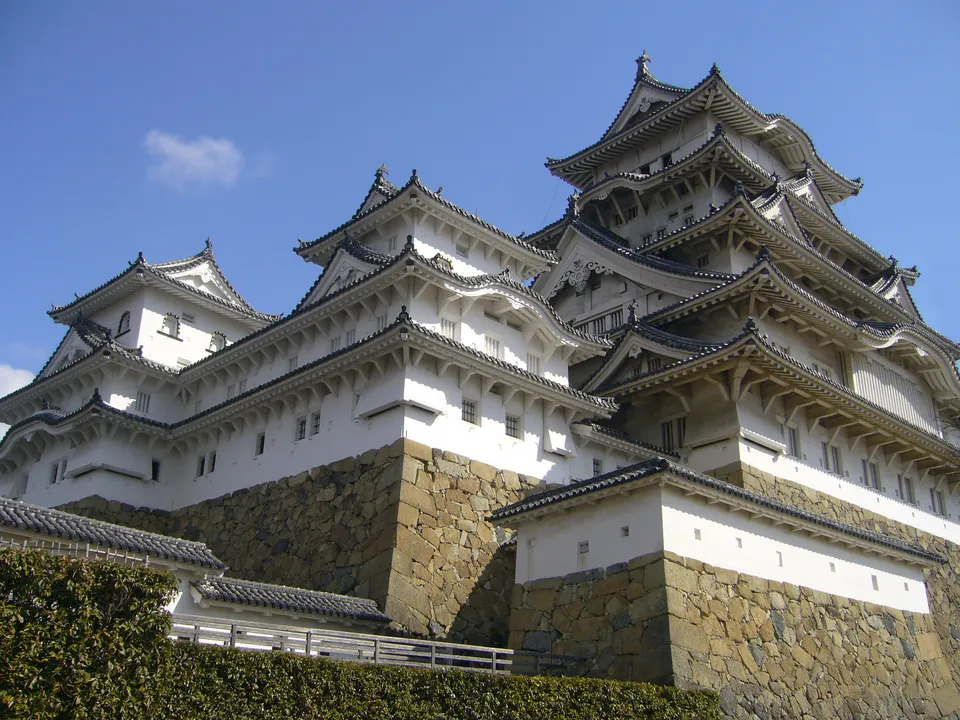
From the Ōnin War to the siege of Osaka — 150 years in which Nobunaga, Hideyoshi and Ieyasu united a Japan torn by warring daimyo
| Figure | Origin | Base | Achievements | End |
|---|---|---|---|---|
| Oda Nobunaga (1534–1582) | Daimyo of Owari | Gifu → Azuchi | Took Kyoto, ended the shogunate, won Nagashino, free markets | Honnōji Incident (1582) |
| Toyotomi Hideyoshi (1537–1598) | Commoner-born vassal of Nobunaga | Osaka → Fushimi | Won Yamazaki, became kampaku, land survey and sword hunt, unified Japan 1590 | Died during the invasion of Korea (1598) |
| Tokugawa Ieyasu (1543–1616) | Matsudaira house of Mikawa | Okazaki → Edo, Sunpu | Won Sekigahara, shogun (1603), Osaka campaign, Laws for Military Houses | Edo shogunate, some 260 years |
A succession dispute over the shogun Ashikaga Yoshimasa, entangled with feuds among powerful shugo houses, set off the Ōnin War in Kyoto, which lasted eleven years from 1467. The shogunate’s authority collapsed and the Warring States (Sengoku) period began, with rival daimyo fighting amid gekokujō — “the low overthrowing the high”.
True Pure Land (Ikkō) believers and local warriors in Kaga rose up and drove the governor Togashi Masachika to suicide. For about ninety years thereafter the believers’ league ruled the province.
Ise Sōzui (Hōjō Sōun) attacked the Horigoe palace in Izu, drove out Ashikaga Chachamaru and took the province. Pushing on to Odawara, he laid the foundations of the Later Hōjō, the great power of the Kantō.
A ship carrying Portuguese reached Tanegashima in Japan, bringing the first matchlock guns. Soon mass-produced in Japan, they transformed the wars of the Sengoku period and the Imjin War.
The Jesuit missionary Francis Xavier landed at Kagoshima and brought Christianity to Japan for the first time. He stayed a little over two years, travelling to Hirado, Yamaguchi, Kyoto and Bungo.
Takeda Shingen of Kai and Uesugi Kenshin of Echigo fought five times between 1553 and 1564 over the Kawanakajima plain in northern Shinano. The fiercest was the fourth battle in 1561, but neither side won a decision.
Oda Nobunaga of Owari fell on the invading army of Imagawa Yoshimoto at Okehazama and killed Yoshimoto. The victory made Nobunaga’s name and let Tokugawa Ieyasu, until then bound to the Imagawa, strike out on his own.
Oda Nobunaga marched into Kyoto as the patron of Ashikaga Yoshiaki and made him the fifteenth shogun. Borrowing the shogun’s name, Nobunaga took control of the Kinai and set out on the road to ruling the realm (tenka).
Oda Nobunaga burned the Enryaku-ji on Mount Hiei, which had sided with the Azai and Asakura, and killed its monks and the people around it. The armed might of a temple that had swayed Kyoto politics for centuries was broken.
The shogun Ashikaga Yoshiaki took up arms against Oda Nobunaga, surrendered at Makishima Castle and was driven out of Kyoto. The Muromachi shogunate, after more than 230 years, effectively came to an end.
Oda Nobunaga ended the Muromachi shogunate in 1573 and opened the way to unification with his musketeers; his successor Toyotomi Hideyoshi ended the Warring States era and unified Japan in 1590.
The allied army of Oda Nobunaga and Tokugawa Ieyasu crushed Takeda Katsuyori, who was besieging Nagashino Castle, with muskets and palisades at Shitaragahara. The Takeda lost many famous generals and went into decline.
Oda Nobunaga built Azuchi Castle, with its towering keep, on Mount Azuchi by Lake Biwa. It was the first of the early modern castles with stone walls and a keep, and the symbol of Nobunaga’s regime.
Akechi Mitsuhide, a senior vassal of Oda Nobunaga, rebelled and attacked Nobunaga at the Honnō-ji in Kyoto. Nobunaga set the temple on fire and took his own life; his heir Nobutada also died, at the Nijō Shingosho.
Hashiba (Toyotomi) Hideyoshi, hurrying back from the Chūgoku region, defeated Akechi Mitsuhide at Yamazaki. Having avenged Nobunaga, Hideyoshi became the foremost of the Oda vassals and stepped forward as Nobunaga’s successor.
Toyotomi Hideyoshi surveyed the fields of the whole country with standard measures, assessing tax by rice yield (kokudaka), and in 1588 issued the Sword Hunt edict (katanagari) to disarm the peasants. Together they laid the basis of early modern Japan’s division between warriors and farmers.
Toyotomi Hideyoshi began building Osaka Castle on the site of the Ishiyama Hongan-ji. With its gilded keep it became the base of the Toyotomi regime and the symbol of the ruler of the realm.
Hashiba (Toyotomi) Hideyoshi fought the allied forces of Nobunaga’s son Oda Nobukatsu and Tokugawa Ieyasu across Owari. Ieyasu won at Nagakute, but when Nobukatsu made a separate peace, Hideyoshi came out politically on top.
Toyotomi Hideyoshi surrounded the Hōjō stronghold of Odawara with an army said to exceed 200,000 and forced its surrender. The northern daimyo then submitted, and Japan was united under a single power for the first time in over 120 years since the Ōnin War.
A seven-year war that began with Japan's invasion of Joseon in 1592 and lasted until 1598. Ming China sent troops, turning it into an East Asian international war.
In 1600 Tokugawa Ieyasu defeated Ishida Mitsunari’s Western Army at Sekigahara, and in 1603 he became shogun and established his government at Edo. The Edo shogunate lasted some 260 years, until 1867.
In two campaigns, winter and summer, Tokugawa Ieyasu attacked Osaka Castle and destroyed the Toyotomi. The great wars that had run since the Sengoku age ended — the “Genna peace” (Genna enbu), when weapons were laid down.
The Edo shogunate built the bakuhan system, in which the shogun’s government (bakufu) and the daimyo domains (han) shared rule over land and people, and bound the daimyo with the Laws for Military Houses (1615) and alternate attendance (1635).
Sengoku-era daimyo who ended the Muromachi shogunate in 1573 and won at Nagashino with massed musketeers, opening the way to unification before his death in the Honnōji Incident
Founder of the Edo shogunate, who won at Sekigahara in 1600, became shogun in 1603 and destroyed the Toyotomi house in 1615
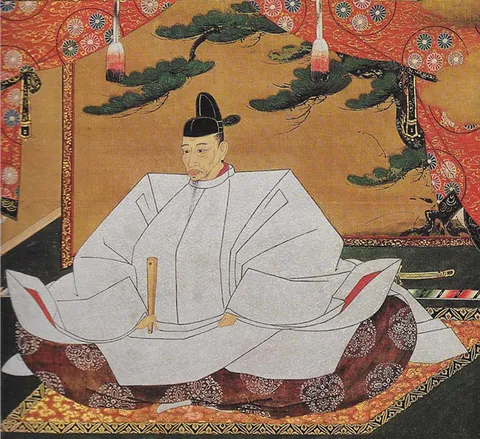
Sengoku daimyo of Kai (today Yamanashi), born Harunobu, who conquered Shinano, fought Uesugi Kenshin at Kawanakajima and in 1572 marched west and routed the Tokugawa, but died of illness on campaign
Fifteenth and last shogun of the Muromachi shogunate (r. 1568–1588), installed with Oda Nobunaga’s help but driven from Kyoto in 1573 after turning against him
Senior vassal of Oda Nobunaga who subdued Tanba and held Sakamoto and Fukuchiyama castles, then killed Nobunaga in the Honnōji Incident of 1582 and was defeated at Yamazaki eleven days later
Eighth Muromachi shogun (r. 1449–1473), whose succession dispute grew into the Ōnin War; builder of the Silver Pavilion and patron of Higashiyama culture
Eighth head of the Hongan-ji branch of True Pure Land Buddhism, whose plain pastoral letters (ofumi) and congregations spread the faith across Hokuriku and the Kinai and made the Hongan-ji a great church
Early Sengoku warlord, born Ise Moritoki (Buddhist name Sōzui), who seized Izu in 1493, pushed into Odawara in Sagami and founded the Later Hōjō, the great power of the Kantō
Lord of Tanegashima, who bought two matchlocks from the Portuguese who landed in 1543 and had copies made
Navarrese Catholic missionary and co-founder of the Jesuits who, after missions in India and Southeast Asia for the Portuguese crown, landed at Kagoshima in 1549 and first brought Christianity to Japan
Sengoku daimyo of Echigo (today Niigata), born Nagao Kagetora, who inherited the Uesugi name and the office of Kantō kanrei in 1561 and fought Takeda Shingen five times at Kawanakajima