Hōjō Sōun Seizes Izu
Also called: Invasion of Izu, Izu uchiiri
Ise Sōzui (Hōjō Sōun) attacked the Horigoe palace in Izu, drove out Ashikaga Chachamaru and took the province. Pushing on to Odawara, he laid the foundations of the Later Hōjō, the great power of the Kantō.
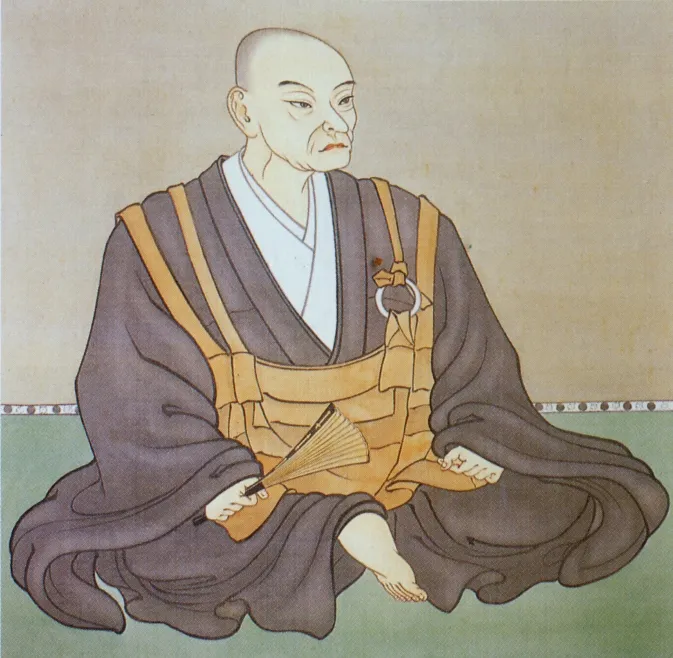
Unknown author · Public domain · Source
Ise Moritoki (Sōzui), from a family of shogunal officials, built up his strength with the Imagawa of Suruga, into whose house his sister had married. In 1493 he raided the Horigoe palace in Izu, drove out Ashikaga Chachamaru and, from his base at Nirayama Castle, took control of Izu. Chachamaru was finally killed around 1498.
Sōzui then seized Odawara Castle in Sagami (traditionally c. 1495, though the date is uncertain) and extended his power into the Kantō; under his son Ujitsuna the family took the surname Hōjō. Long told as the first case of gekokujō, a nameless rōnin seizing a province, his move is now seen as tied to the coup at the shogunal court in 1493 (the Meiō Incident). The Later Hōjō ruled the Kantō for five generations, nearly a century, until Toyotomi Hideyoshi destroyed them in 1590.