ConflictApril 1510(Lunar)

Revolt of the Three Ports

Japanese residents of Busanpo, Jepo and Yeompo rose up with help from Tsushima; after it was put down, trade was sharply curtailed.
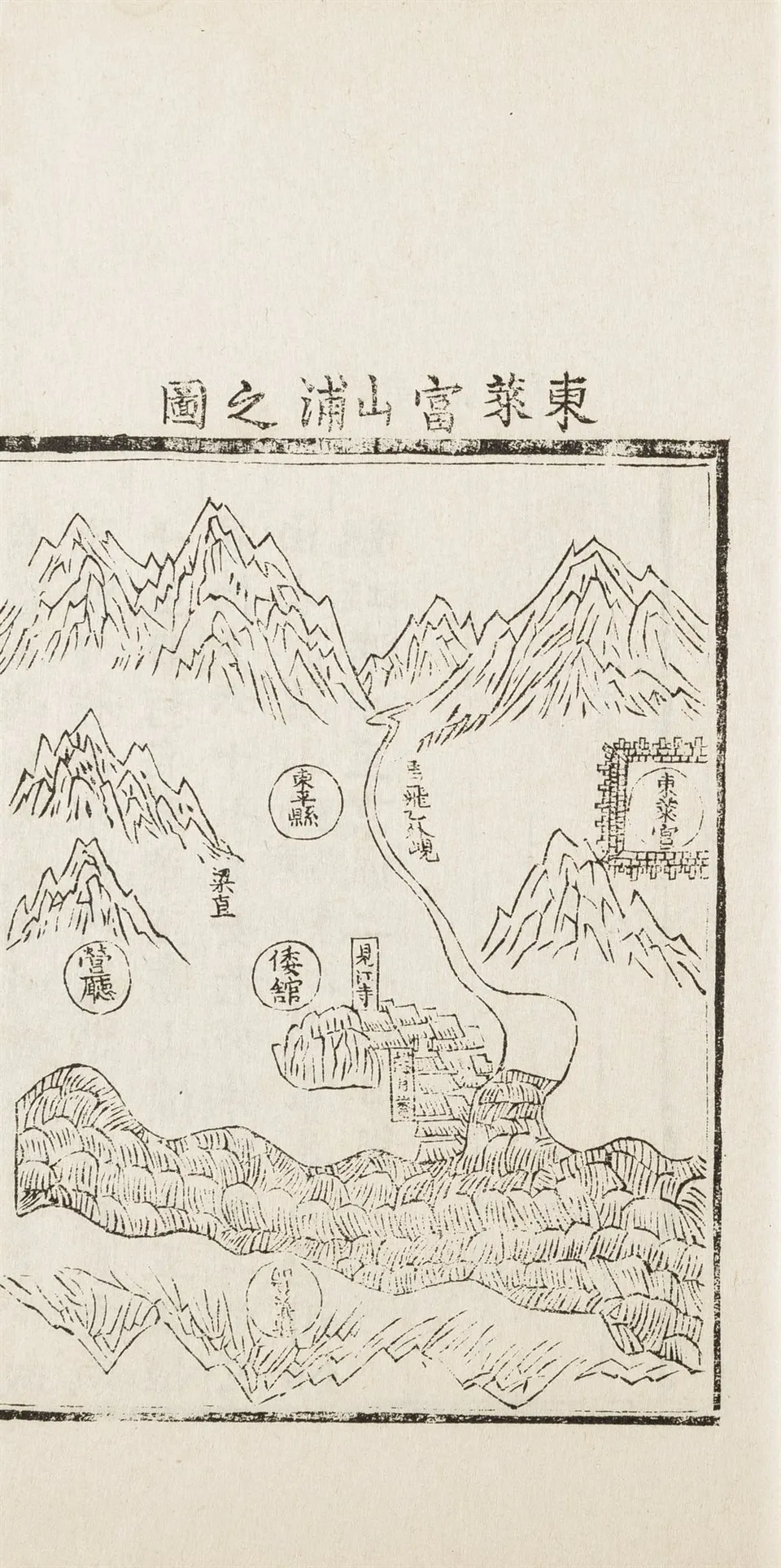
Map of Busanpo, Dongnae, with its Japanese quarter, from Haedong jegukgi (1471)

申叔舟 · CC BY-SA 4.0 · Source

Under Sejong, Busanpo, Jepo (Ungcheon) and Yeompo (Ulsan) had been opened to Japanese trade and limited residence, but the resident population grew and smuggling flourished. When Jungjong cracked down, the Japanese of the three ports rose in the fourth month of 1510 with help from Tsushima and killed the commander at Busanpo. Joseon troops put the revolt down and the ports were closed. The Imsin Treaty of 1512 reopened only Jepo and halved the ships and rice allowed under the Gyehae Treaty. The Border Defence Council (Bibyeonsa) was first set up as a temporary body at this time.
The map in 1510

OpenFreeMap © OpenMapTiles © OpenStreetMap contributors

States and rulers at the time
Joseon — Jungjong
Japan

People

  • Jungjong1488 – 1544

    monarch · Eleventh king of Joseon, enthroned by the 1506 coup; raised Jo Gwang-jo and then purged him

Before and after

Themes that include this event

  • Ming, Qing and Edo Japan1500 – 1800

    The age when the Ming, shaken by northern raiders, southern pirates and the silver economy, fell to Li Zicheng’s rebels, and the Manchu Qing reached its greatest extent and prosperity under Kangxi, Yongzheng and Qianlong — as Japan was unified out of the Warring States into the Edo shogunate’s bakuhan order and closed country, and Joseon, after two great wars, met its neighbours through embassies to Edo and the Northern Learning

  • Busan1443 – 1979

    Port of the Japan House and of the 1876 opening — Korea’s gateway to Japan, and wartime capital in the Korean War