Local history1443 – 197910 events
Busan
Port of the Japan House and of the 1876 opening — Korea’s gateway to Japan, and wartime capital in the Korean War
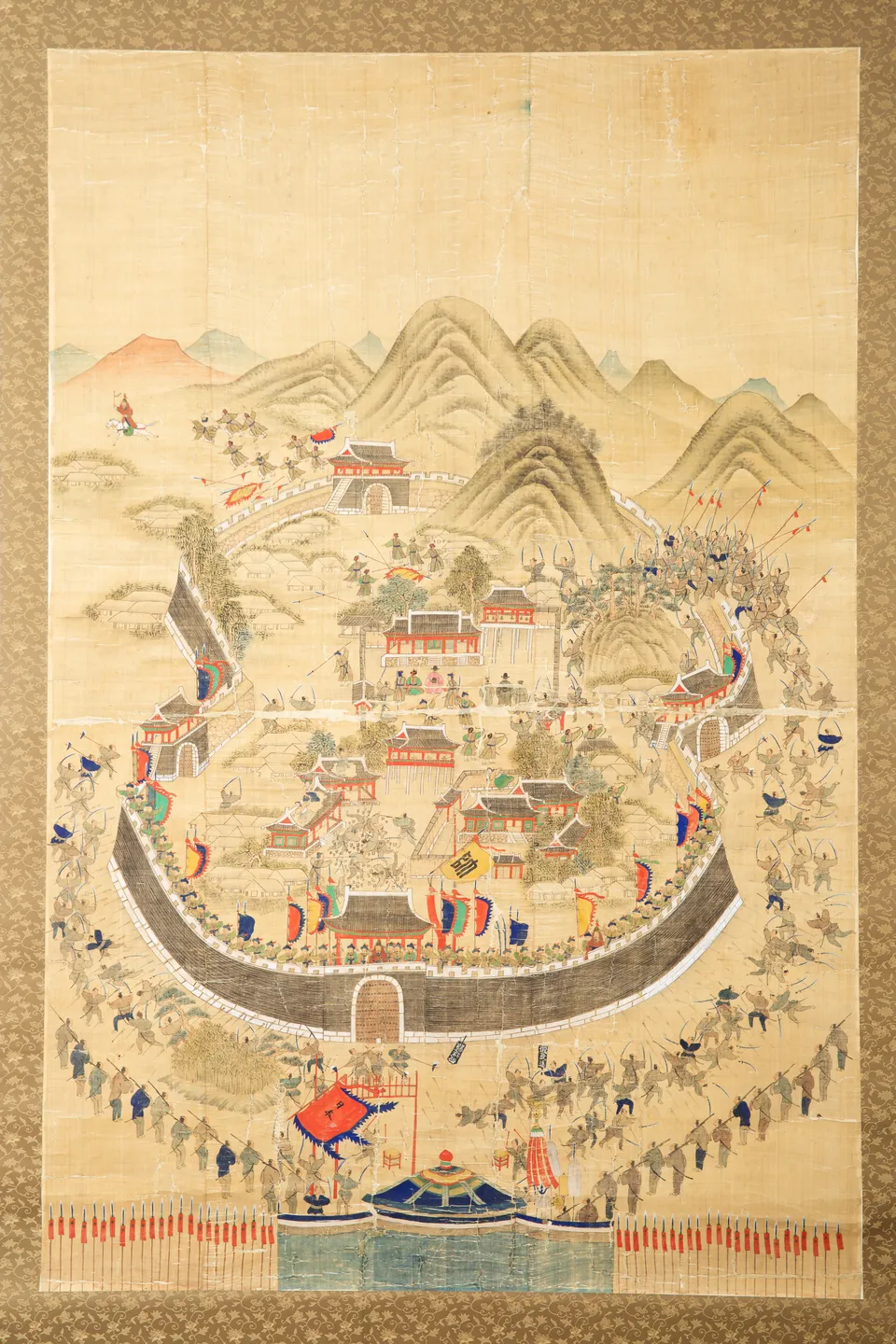
변박 (卞璞) · Public domain · Source
Port of the Japan House and of the 1876 opening — Korea’s gateway to Japan, and wartime capital in the Korean War
변박 (卞璞) · Public domain · Source
| Era | Event | Details |
|---|---|---|
| Joseon, Sejong | Three ports; Treaty of Gyehae | Japan House at Busanpo; 50 ships a year |
| Joseon, Jungjong | Revolt of the Three Ports | Border Defence Council first set up |
| Joseon, Seonjo | Busanjin and Dongnae fall | Jeong Bal, Song Sang-hyeon die; Imjin War begins |
| Joseon, Gwanghaegun | Treaty of Giyu | Trade with Japan reopened at Busanpo |
| Joseon, Sukjong | Choryang Japan House | Window for trade with Japan |
| Joseon, Sukjong | Dongnae fisherman An Yong-bok | Claims Ulleungdo and Dokdo for Joseon |
| Opening era | Treaty of Ganghwa | Busan opened (then Wonsan, Incheon) |
| Contemporary | Korean War | Nakdong perimeter; Busan wartime capital |
| Contemporary | Busan crisis; excerpt amendment | Direct presidential election; Rhee re-elected |
| Contemporary | Busan–Masan uprising | Against Yusin; led to October 26 |
Under Sejong, Joseon concluded an agreement with the lord of Tsushima limiting trade with Japan to 50 ships and 200 seok of rice a year.
Japanese residents of Busanpo, Jepo and Yeompo rose up with help from Tsushima; after it was put down, trade was sharply curtailed.
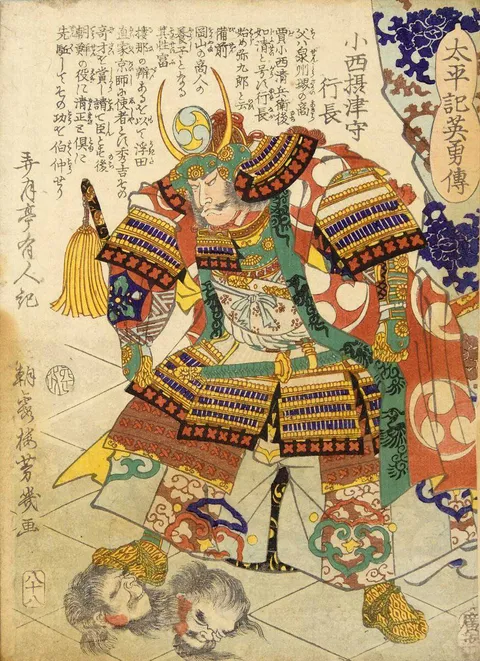
The first Japanese division under Konishi Yukinaga landed at Busan and took Busanjin Fortress in a day. Its commander Jeong Bal died defending it.
After the Imjin War Joseon reopened trade with Japan through a treaty with Tsushima, opening only the port of Busan and limiting trade ships to twenty a year.
The Japan House at Dumopo in Dongnae was moved to Choryang and greatly enlarged. Late Joseon trade with Japan was conducted there.
After clashing with Japanese fishermen on Ulleungdo, An Yong-bok travelled to Japan twice to assert that Ulleungdo and Dokdo belonged to Joseon.
Joseon's first modern treaty, signed with Japan on 27 February 1876. It opened Busan and two other ports and contained unequal terms.
North Korean forces attacked across the whole 38th parallel, took Seoul in three days and drove south to the Nakdong River.
In the provisional capital Busan, the Rhee government declared martial law and pushed a constitutional amendment for direct presidential elections through the Assembly.
Students and citizens in Busan and Masan protested against the Yushin system; the government imposed martial law and a garrison decree.
First President of the Provisional Government, who worked through diplomacy in the US; later first President of the Republic of Korea

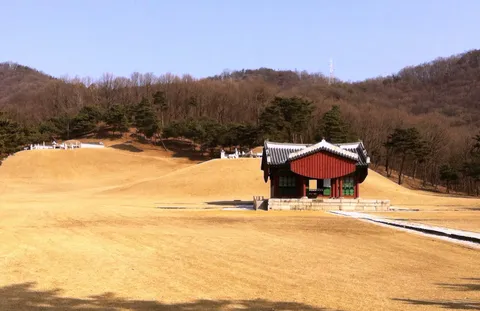
Fourth king of Joseon, creator of Hangul, patron of science and of the northern frontier
Jiphyeonjeon scholar who helped create Hunminjeongeum, wrote the Haedong jegukgi after a mission to Japan, and became Chief State Councillor under Sejo
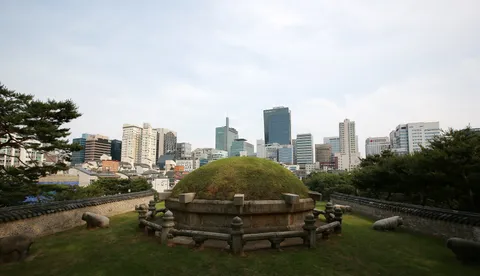
Eleventh king of Joseon, enthroned by the 1506 coup; raised Jo Gwang-jo and then purged him
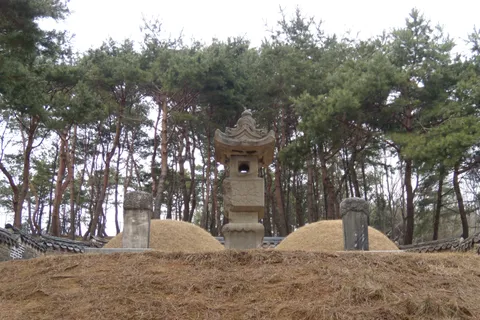
Fifteenth king of Joseon who began the Daedong law and balanced Ming and the Later Jin; deposed in 1623
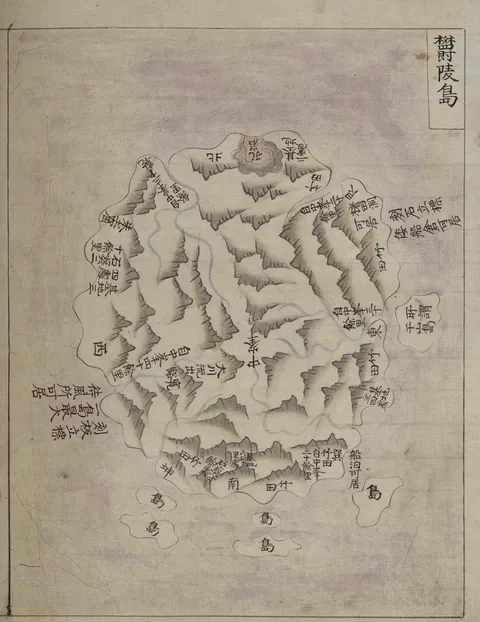
Fisherman from Dongnae who went to Japan to assert that Ulleungdo and Dokdo belonged to Joseon
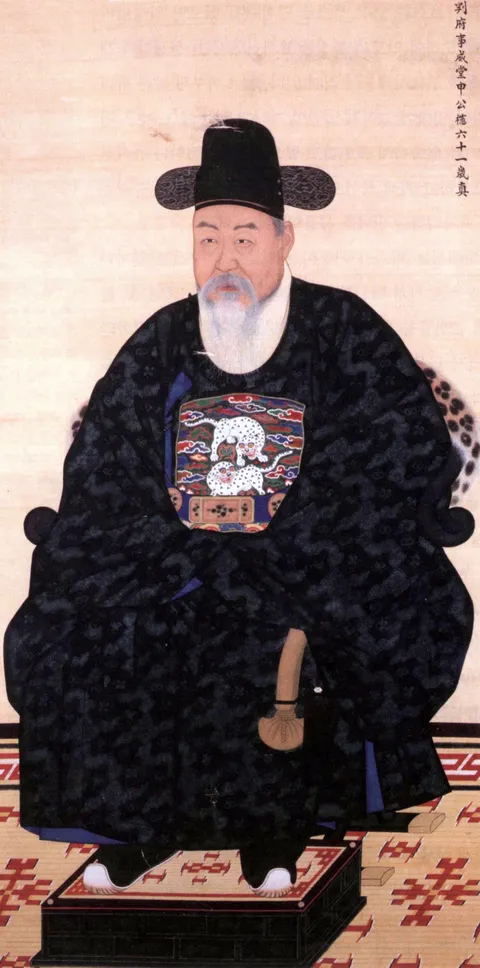
Joseon envoy who signed the Treaty of Ganghwa and the treaty with the United States
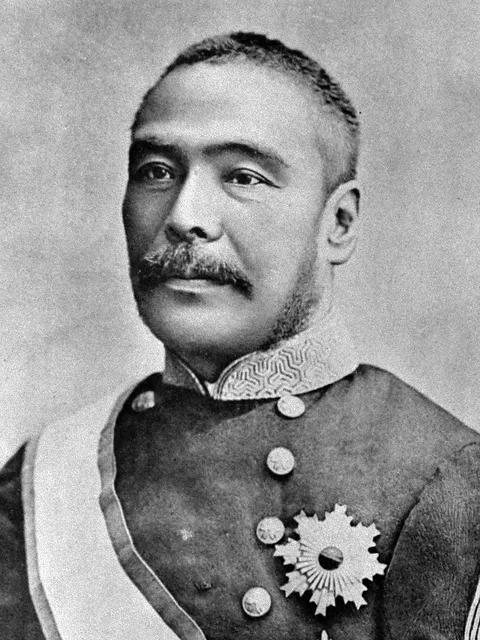

Leader of North Korea (1948–1994): chairman of the Provisional People’s Committee, then premier and president. Purged rivals after the Korean War and built one-man rule