Treaty of Ganghwa
Also called: Japan–Korea Treaty of 1876
Joseon's first modern treaty, signed with Japan on 27 February 1876. It opened Busan and two other ports and contained unequal terms.
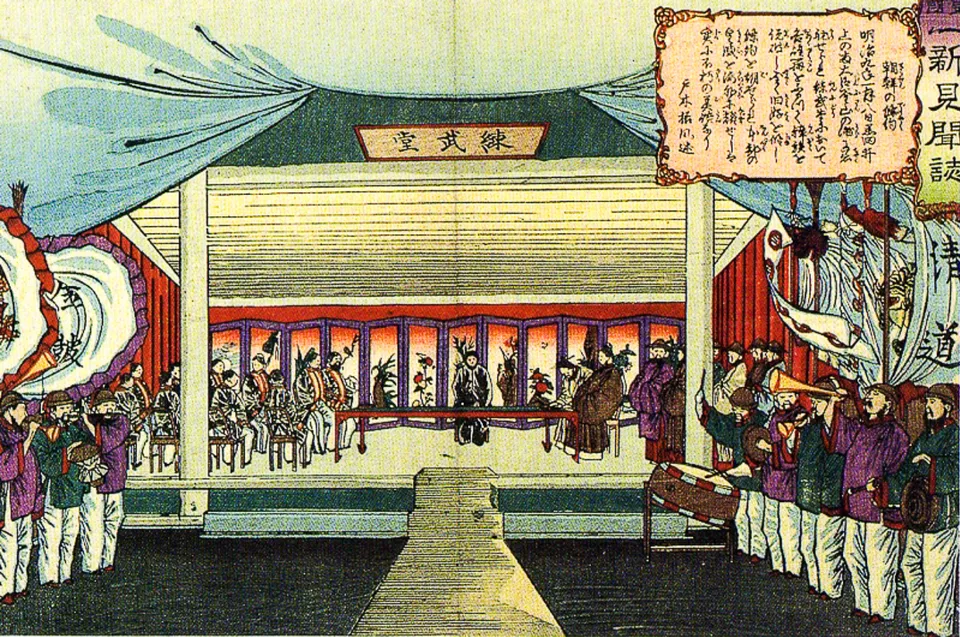
Unknown author · Public domain · Source
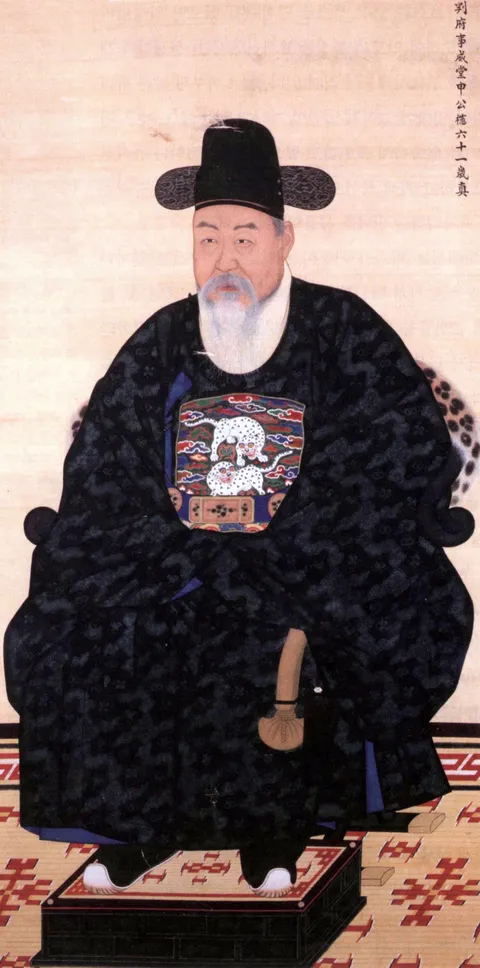
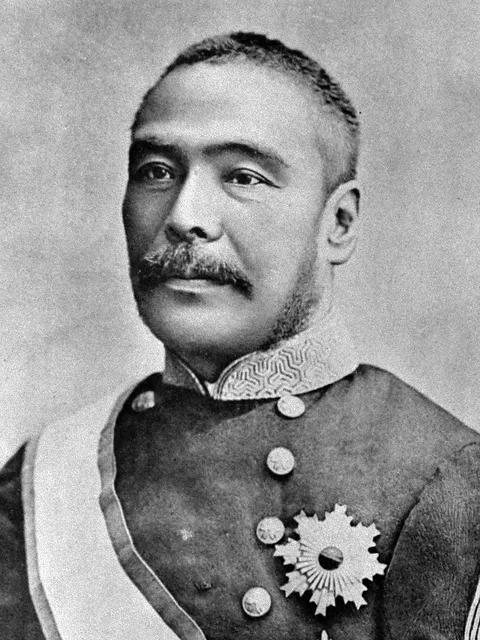
The Daewongun stepped down in 1873 and Gojong began to rule in person, while Park Gyu-su, O Gyeong-seok and others argued for opening trade. After provoking the Unyo incident in 1875, Japan sent Kuroda Kiyotaka to Ganghwa the next year to demand a treaty, which Sin Heon concluded for Joseon. Its formal name is the Joseon–Japan Treaty of Amity.
Article 1 declared Joseon “an independent state enjoying the same sovereign rights as Japan”, aiming to deny Qing suzerainty. Besides Busan, Wonsan (1880) and Incheon (1883) were opened, and Japan gained the right to survey the coast and consular jurisdiction (extraterritoriality) in the open ports.
Supplementary agreements that year — the Supplement to the Treaty — let Japanese currency circulate in the ports and Japanese travel within 10 li of them, and the Joseon–Japan Trade Regulations allowed unlimited grain exports and duty-free Japanese goods. Afterwards Joseon sent Kim Gi-su to Japan as envoy.