Local history1000 BC – 201114 events
Ganghwa Island
From dolmens to the Treaty of Ganghwa — Goryeo’s refuge capital and the stage of Korea’s opening, the island the kingdom fell back on in every crisis
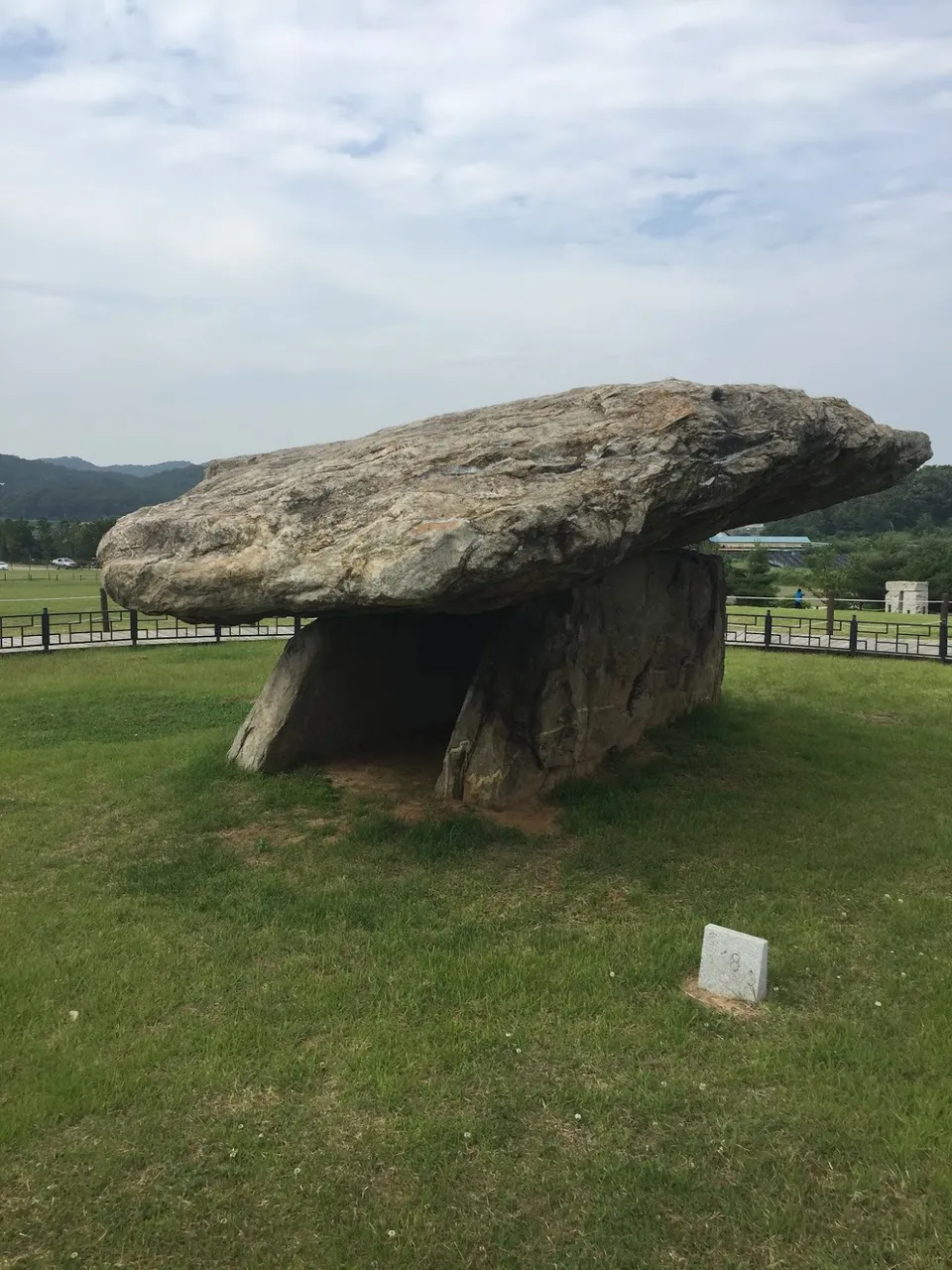
ChongDae · CC BY-SA 3.0 · Source
From dolmens to the Treaty of Ganghwa — Goryeo’s refuge capital and the stage of Korea’s opening, the island the kingdom fell back on in every crisis
ChongDae · CC BY-SA 3.0 · Source
| Period | Event | Key points |
|---|---|---|
| Bronze Age | Ganghwa dolmens | Table-type dolmen at Bugeun-ri; World Heritage |
| Goryeo | Capital to Ganghwa | Choe U; long resistance to the Mongols |
| Goryeo | Sangjeong gogeum yemun | Printed in metal type (per Yi Gyu-bo) |
| Goryeo | Tripitaka Koreana carved | Tripitaka office; prayer against Mongols |
| Goryeo | Sambyeolcho revolt | Against return; Bae Jung-son → Jindo, Jeju |
| Joseon | First Manchu invasion | Injo flees to Ganghwa; “brothers” pact |
| Joseon | Second Manchu invasion | Royal family flees here; island falls |
| Late Joseon | Ganghwa school | Jeong Je-du; Yangming learning |
| Late Joseon | Oegyujanggak | Jeongjo, 1782; royal-copy uigwe kept |
| Opening era | French campaign | Yang Heon-su at Jeongjoksan; uigwe looted |
| Opening era | US expedition | Pretext General Sherman; Eo Jae-yeon, Gwangseongbo |
| Opening era | Un’yō incident | Chojijin shelled; Yeongjongdo attacked |
| Opening era | Treaty of Ganghwa | First modern treaty; 3 ports, extraterritoriality |
| Contemporary | Uigwe returned | Found by Park Byeong-seon; back in 2011 |
Mandolin-shaped bronze daggers, table-type dolmens and Misong-ri pottery spread across Liaoning and northern Korea, tracing the reach of Gojoseon.
To fight a long war against Mongol domination, Choe U moved the capital from Gaegyeong to Ganghwa Island, where the court remained for 39 years until 1270.
Yi Gyu-bo’s collected works record that, after the move to Ganghwa, 28 copies of the ritual code Sangjeong gogeum yemun were printed with metal type. No copy survives.
Hoping the Buddha’s power would drive out the Mongols, Goryeo set up a Tripitaka directorate on Ganghwa and spent 16 years carving more than 80,000 woodblocks, now kept at Haeinsa in Hapcheon.
Rejecting the return to Gaegyeong, the Sambyeolcho under Bae Jung-son rose on Ganghwa and, moving to Jindo and then Jeju, held out for three years against combined Goryeo and Mongol forces.
The Later Jin invaded with 30,000 troops; King Injo fled to Ganghwa, and the war ended with a pact making the two states “elder and younger brothers”.
Qing invaded Joseon. King Injo held out at Namhansanseong before surrendering at Samjeondo.
The Yangming scholar Jeong Je-du moved to Ganghwa Island and taught there; his disciples and descendants formed the Ganghwa school.
On taking the throne, Jeongjo founded the Gyujanggak in the rear garden of Changdeokgung as a royal library and policy research institute.
Citing the persecution of Catholics, a French squadron occupied Ganghwa. Yang Heon-su drove it off at Jeongjok Fortress, and the French withdrew with looted royal archives.
A US squadron sent over the General Sherman incident attacked Ganghwa. Eo Jae-yeon fell at Gwangseongbo, and the Daewongun put up steles rejecting peace with the West.
The Japanese warship Un’yō approached Chojijin on Ganghwa, exchanged fire, and landed on Yeongjongdo to plunder; Japan used the clash to force the Treaty of Ganghwa.
Joseon's first modern treaty, signed with Japan on 27 February 1876. It opened Busan and two other ports and contained unequal terms.
The 297 volumes of uigwe looted from the Oegyujanggak by French troops in 1866 came back after 145 years.
Son of Choe Chung-heon who set up the Jeongbang personnel office and moved the court to Ganghwa in 1232
Twenty-third king of Goryeo, who reigned through the Mongol invasions from Ganghwa Island
Writer of the Lay of King Dongmyeong whose collected works record the metal-type printing of the Sangjeong gogeum yemun
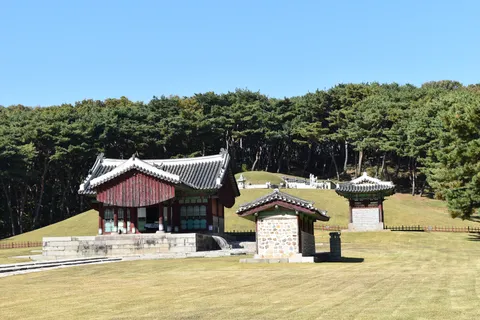
Sixteenth king of Joseon, enthroned by coup; endured two Manchu invasions and surrendered at Samjeondo
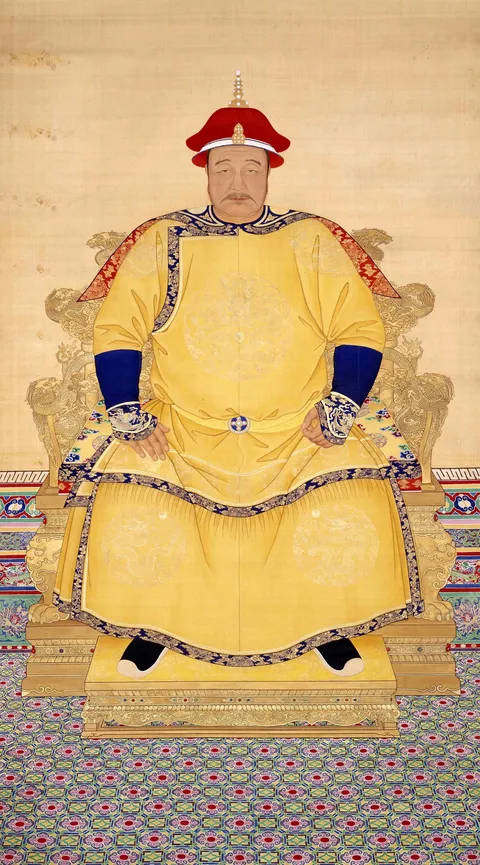
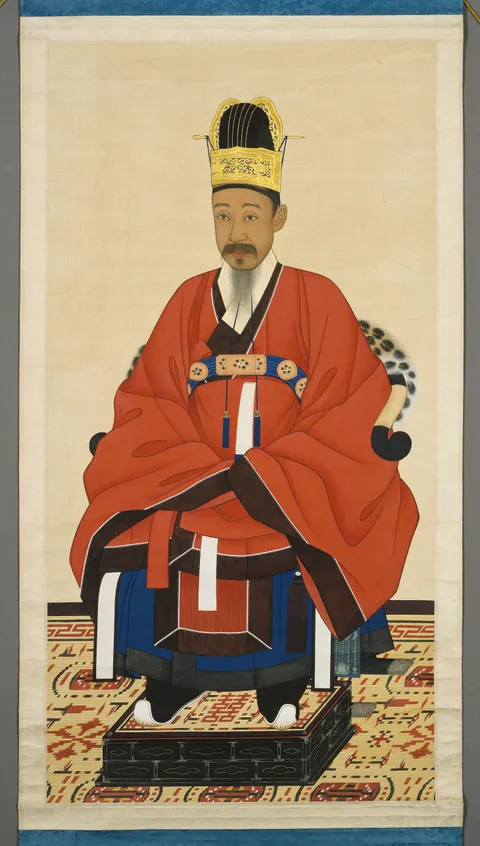
Gojong's father and regent, who rebuilt Gyeongbokgung and rejected Western trade

Leader of the Sambyeolcho who rejected the return to Gaegyeong and resisted from Jindo
Twenty-fourth king of Goryeo, who made peace with Kublai and returned the court to Gaegyeong in 1270
Westerner who helped stage the Injo Restoration and led the case for making peace with Qing in the Second Manchu Invasion; also versed in Yangming learning
Westerner who led the call to fight on against Qing at Namhansanseong in the Second Manchu Invasion and was taken to Shenyang