CultureSeptember 1776(Lunar)

Gyujanggak founded

On taking the throne, Jeongjo founded the Gyujanggak in the rear garden of Changdeokgung as a royal library and policy research institute.
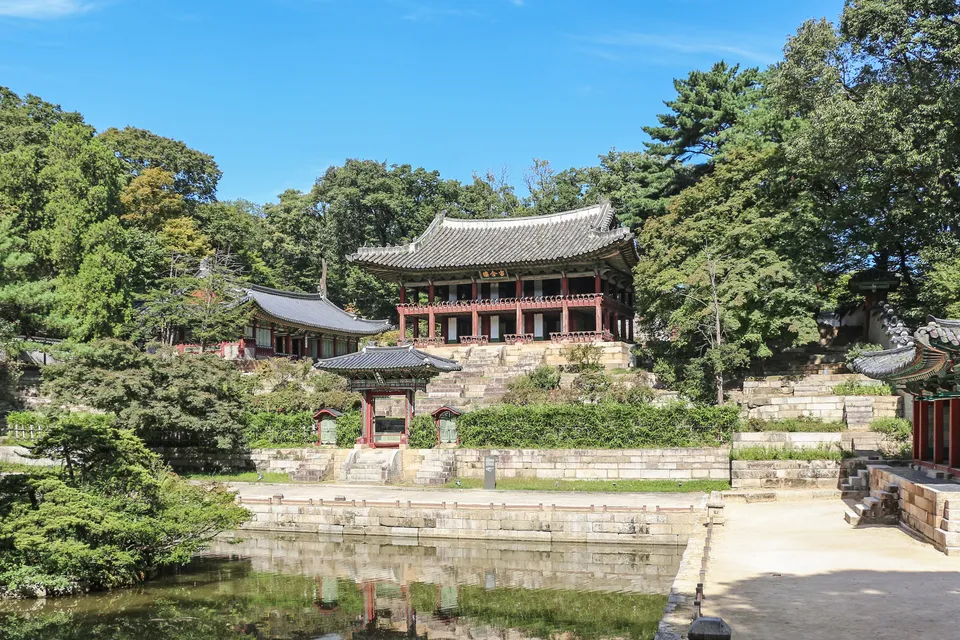
Juhamnu in the rear garden of Changdeokgung; Gyujanggak occupied its lower floor

Bernard Gagnon · CC0 · Source

Founded ostensibly to keep the writings and calligraphy of past kings, it became Jeongjo’s instrument for training scholars close to the throne and studying policy. He appointed men of secondary-son birth — Yi Deok-mu, Park Je-ga, Yu Deuk-gong and Seo I-su — as editors, and ran a programme for re-educating promising young officials (chogye munsin).

In 1782 an outer branch on Ganghwa was set up to keep royal protocols (uigwe) and other books. French troops looted them in 1866; they returned to Korea in 2011.
The map in 1776

OpenFreeMap © OpenMapTiles © OpenStreetMap contributors

States and rulers at the time
Joseon — Jeongjo
Places
Changdeokgung

People

  • Jeongjo1752 – 1800

    leader · Twenty-second king of Joseon, founder of the Gyujanggak library and builder of Hwaseong Fortress

Before and after

Earlier
1766 Kimjang Culture

Themes that include this event

  • Factional Politics in Joseon1498 – 1863

    From the literati purges to in-law government — how Sarim factions moved from coexistence and checks to purges and one-faction rule, then through Tangpyeong to the dominance of a few clans

  • Ganghwa Island1000 BC – 2011

    From dolmens to the Treaty of Ganghwa — Goryeo’s refuge capital and the stage of Korea’s opening, the island the kingdom fell back on in every crisis