Korean history1498 – 186318 events

Factional Politics in Joseon

From the literati purges to in-law government — how Sarim factions moved from coexistence and checks to purges and one-faction rule, then through Tangpyeong to the dominance of a few clans
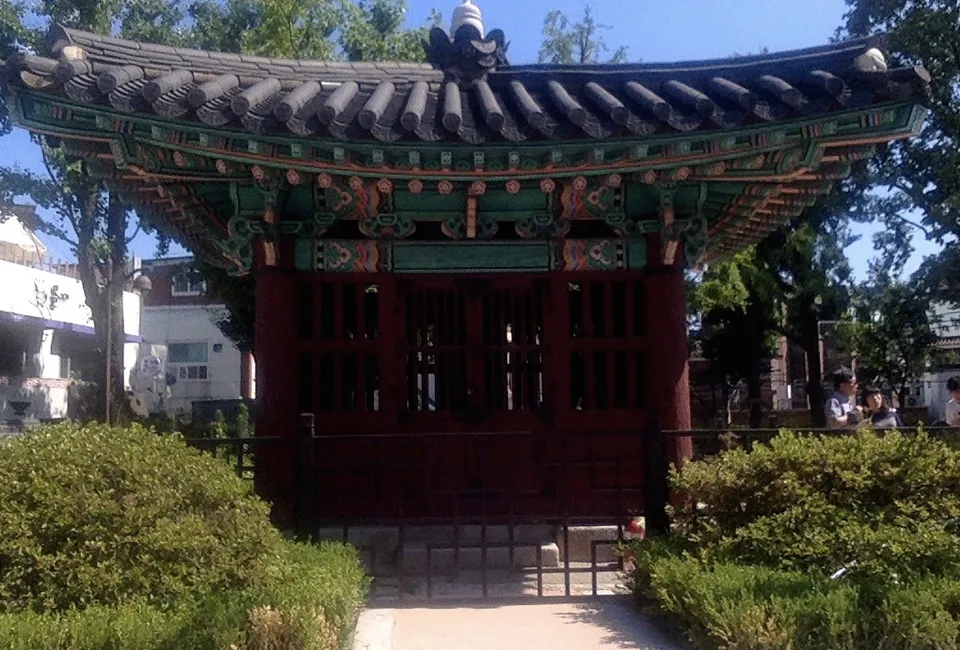
탕평비 — 1742년 영조가 성균관 앞에 세운 비

Motoko C. K. · CC0 · Source

At a glance

EventKingWhat happenedOutcome (faction in power)
Literati purges (1498–1545)Yeonsangun–MyeongjongMeritorious elite and in-laws strike the SarimSarim set back, regrow via seowon and hyangyak
East–West split (1575)SeonjoClash over the Ijo jeongnang post (Kim Hyo-won, Sim Ui-gyeom)Easterners and Westerners
Jeong Yeo-rip case, Gichuk purge (1589)SeonjoWesterner Jeong Cheol punishes Easterners; heir disputeEasterners split into South and North
Northerner governmentGwanghaegunNeutral diplomacy; killing of Grand Prince YeongchangNortherners in power
Injo Restoration (1623)InjoWesterners depose GwanghaegunWesterners lead, Southerners share (coexistence)
Rites controversies (1659, 1674)HyeonjongMourning period of Queen Dowager Jaui1659: Westerners / 1674: Southerners
Gyeongsin hwanguk (1680)SukjongHeo Jeok’s tent affair, Heo Gyeon plotWesterners; split into Noron and Soron
Gisa and Gapsul hwanguk (1689, 1694)SukjongNaming the heir / Queen Inhyeon restoredSoutherners → Westerners (Southerners finished)
Sinim purges (1721–22)GyeongjongDispute over naming Yeongjo heir and regentSoron in power; four Noron ministers executed
Yeongjo’s Tangpyeong (stele 1742)YeongjoTangpyeong faction, seowon cut, jeongnang curbedModerate Tangpyeong; Noron dominant
Jeongjo’s TangpyeongJeongjoPrincipled Tangpyeong; Gyujanggak, JangyongyeongSipa vs Byeokpa; stronger kingship
In-law government (1800–63)Sunjo, Heonjong, CheoljongIn-law clans control the Border Defence CouncilAndong Kim and Pungyang Jo clans

The theme on the map

OpenFreeMap © OpenMapTiles © OpenStreetMap contributors

18 events in this theme

  1. Claiming that Kim Jong-jik's essay had insulted King Sejo, Yeonsangun executed or exiled Gim Il-son and other Sarim scholars — the first literati purge.

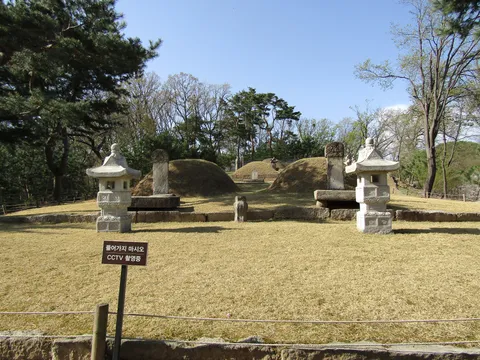
  2. Yeonsangun killed many officials linked to the death of his mother, the deposed Queen Yun; his tyranny led to his overthrow two years later.

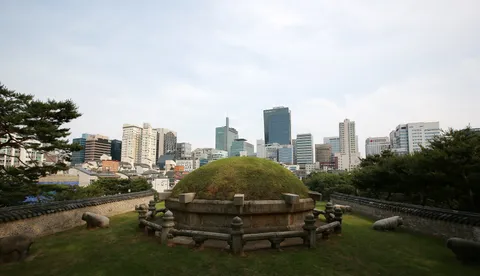
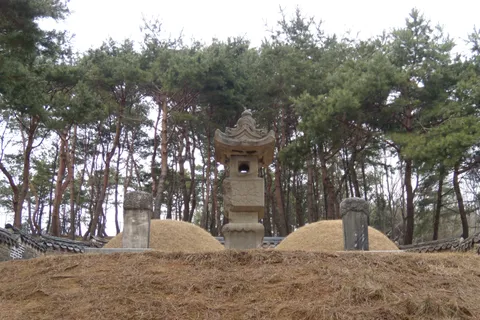
  3. Park Won-jong and others deposed Yeonsangun and enthroned Grand Prince Jinseong as King Jungjong; Yeonsangun was exiled to Gyodong Island.

  4. Jo Gwang-jo and his reformist Sarim allies were driven out by the old guard; Jo was forced to take poison in exile at Neungju.

  5. When the boy king Myeongjong came to the throne, his maternal uncle Yun Won-hyeong (the “Lesser Yun”) destroyed Yun Im (the “Greater Yun”) and the scholars around him — the fourth literati purge.

  6. A clash between Kim Hyo-won and Sim Ui-gyeom over a key personnel post split the Sarim into Easterners and Westerners, beginning factional politics.

  7. Accused of plotting rebellion, the Easterner Jeong Yeo-rip took his own life, and the purge led by the Westerner Jeong Cheol struck down some thousand Easterners.

  8. At Ming request Joseon sent an army under Gang Hong-rip against the Later Jin; when the Ming were routed at Sarhu, Gang surrendered, and Gwanghaegun kept Joseon neutral between Ming and Jurchens.

  9. The Westerner faction deposed Gwanghaegun and enthroned Prince Neungyang as King Injo; the new pro-Ming stance soured relations with the Later Jin.

  10. Twice, on the deaths of Hyojong and his queen, the Westerners and Southerners clashed over how long the dowager queen should wear mourning; the Westerners won in 1659, the Southerners in 1674.

  11. Three times Sukjong replaced the ruling faction wholesale (1680, 1689, 1694); along the way the Westerners split into the Noron and Soron.

  12. 1721 – 1722Sinim Purges

    Under King Gyeongjong, the Noron and Soron clashed over naming his brother (the future Yeongjo) heir and regent; the Soron drove out and executed the four Noron ministers and others.

  13. Hard-line Soron and some Southerners, claiming Yeongjo had a hand in Gyeongjong’s death, rose to deny his legitimacy; they seized Cheongju but were soon crushed (the Musin revolt).

  14. Yeongjo inscribed his policy of appointing officials impartially, regardless of faction, on a stele at the royal academy.

  15. Yeongjo deposed the crown prince and locked him in a rice chest in front of Munjeongjeon Hall at Changgyeonggung; Prince Sado died eight days later.

  16. On taking the throne, Jeongjo founded the Gyujanggak in the rear garden of Changdeokgung as a royal library and policy research institute.

  17. Jeongjo created the Jangyongyeong royal guard with an inner garrison in the capital and an outer one at Hwaseong in Suwon; through the chogye munsin system he retrained young officials.

  18. For some sixty years after Jeongjo, through the reigns of Sunjo, Heonjong and Cheoljong, royal in-law clans such as the Andong Kim and Pungyang Jo monopolized power; the three taxes became corrupt and peasant revolts followed.

Key people

  • Yeongjo1694 – 1776

    Twenty-first king of Joseon, known for his impartiality policy and tax reform, and for the death of his son

  • Yeonsangun1476 – 1506

    Tenth king of Joseon, who launched two literati purges and was deposed in 1506

  • Jungjong1488 – 1544

    Eleventh king of Joseon, enthroned by the 1506 coup; raised Jo Gwang-jo and then purged him

  • King Seonjo1552 – 1608

    Fourteenth king of Joseon; fled to Uiju and asked Ming for help

  • Gwanghaegun1575 – 1641

    Fifteenth king of Joseon who began the Daedong law and balanced Ming and the Later Jin; deposed in 1623

  • Song Si-yeol1607 – 1689

    Leader of the Westerners (later the Noron), adviser to Hyojong’s northern campaign plan and chief voice in the mourning-rite disputes; forced to take poison in 1689

  • Gyeongjong1688 – 1724

    Twentieth king of Joseon, son of Sukjong and Royal Consort Jang, backed by the Soron; he died after four years and was succeeded by his half-brother Yeongjo

  • Jeongjo1752 – 1800

    Twenty-second king of Joseon, founder of the Gyujanggak library and builder of Hwaseong Fortress

  • Kim Jong-jik1431 – 1492

    Teacher of the Sarim; an essay of his became the pretext for the 1498 purge after his death

  • Park Won-jong1467 – 1510

    Military official who led the 1506 coup that deposed Yeonsangun

  • Jo Gwang-jo1482 – 1520

    Neo-Confucian reformer exiled to Neungju and forced to take poison in the 1519 purge

  • Yun Won-hyeong1565

    Brother of Queen Munjeong and head of the “Lesser Yun” faction, who purged the rival “Greater Yun” in 1545