PoliticsMarch 1680 – April 1694(Lunar)

Sukjong’s Changes of Power (Hwanguk)

Three times Sukjong replaced the ruling faction wholesale (1680, 1689, 1694); along the way the Westerners split into the Noron and Soron.
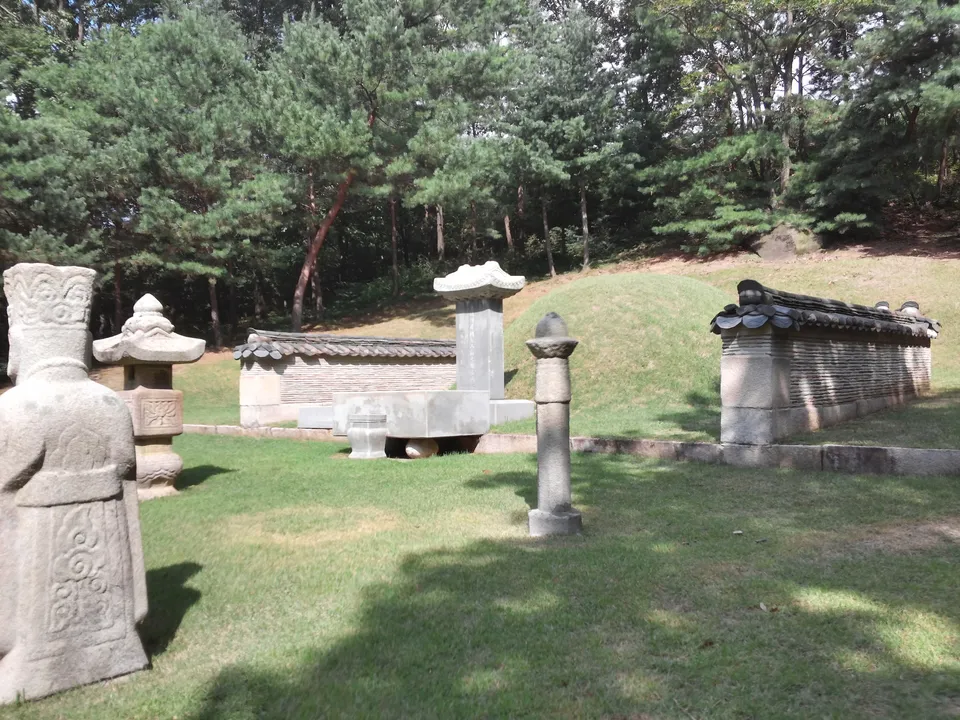
Daebinmyo, tomb of Royal Consort Jang Hui-bin, central figure of the 1689 and 1694 reversals, Seooreung

KoreanHistoryWriter · CC BY-SA 3.0 · Source

Gyeongsin (1680): the Southerner chief minister Heo Jeok used a royal tent without leave and his son was implicated in treason; the Southerners were ousted and the Westerners took power, then split over punishing the Southerners into the hard-line Noron (Song Si-yeol) and moderate Soron (Yun Jeung).

Gisa (1689): the Westerners who opposed naming Royal Consort Jang’s son (the future Gyeongjong) as heir were ousted and the Southerners returned; Song Si-yeol was forced to take poison and Queen Inhyeon was deposed.

Gapsul (1694): when the Southerners suppressed a movement to restore Queen Inhyeon, Sukjong expelled them and recalled the Westerners; the Southerners never held power again. These reversals brought one-faction rule and vengeful purges, undoing the balance of factional politics.
The map in 1680

OpenFreeMap © OpenMapTiles © OpenStreetMap contributors

States and rulers at the time
Joseon — Sukjong
Places
Changdeokgung

People

  • Sukjong1661 – 1720

    leader · Nineteenth king of Joseon, who used factional reversals to strengthen the throne

  • Song Si-yeol1607 – 1689

    related figure · Leader of the Westerners (later the Noron), adviser to Hyojong’s northern campaign plan and chief voice in the mourning-rite disputes; forced to take poison in 1689

  • Heo Jeok1610 – 1680

    related figure · Southerner chief state councillor who had the Sangpyeong tongbo coin minted for general use; ousted and executed in the 1680 change of power

Before and after

Related works

  • TV drama: Dong YiDramatizedTV drama · 2010 · Lee Byung-hoon, Kim Sang-hyub · MBC

Dramatized works (films, dramas, novels) may differ from the historical record.

Themes that include this event

  • Factional Politics in Joseon1498 – 1863

    From the literati purges to in-law government — how Sarim factions moved from coexistence and checks to purges and one-faction rule, then through Tangpyeong to the dominance of a few clans

  • Reformation and Absolutism1517 – 1796

    From Luther’s Ninety-five Theses to Catherine the Great — the wars of religion of a divided Christendom ended at Westphalia, and absolute monarchs armed with divine right, standing armies, bureaucracies and mercantilism, followed by the enlightened despots of eastern Europe, contended for the balance of power among sovereign states