Politics1659 and 1674(Lunar)

Mourning Rite Disputes

Twice, on the deaths of Hyojong and his queen, the Westerners and Southerners clashed over how long the dowager queen should wear mourning; the Westerners won in 1659, the Southerners in 1674.
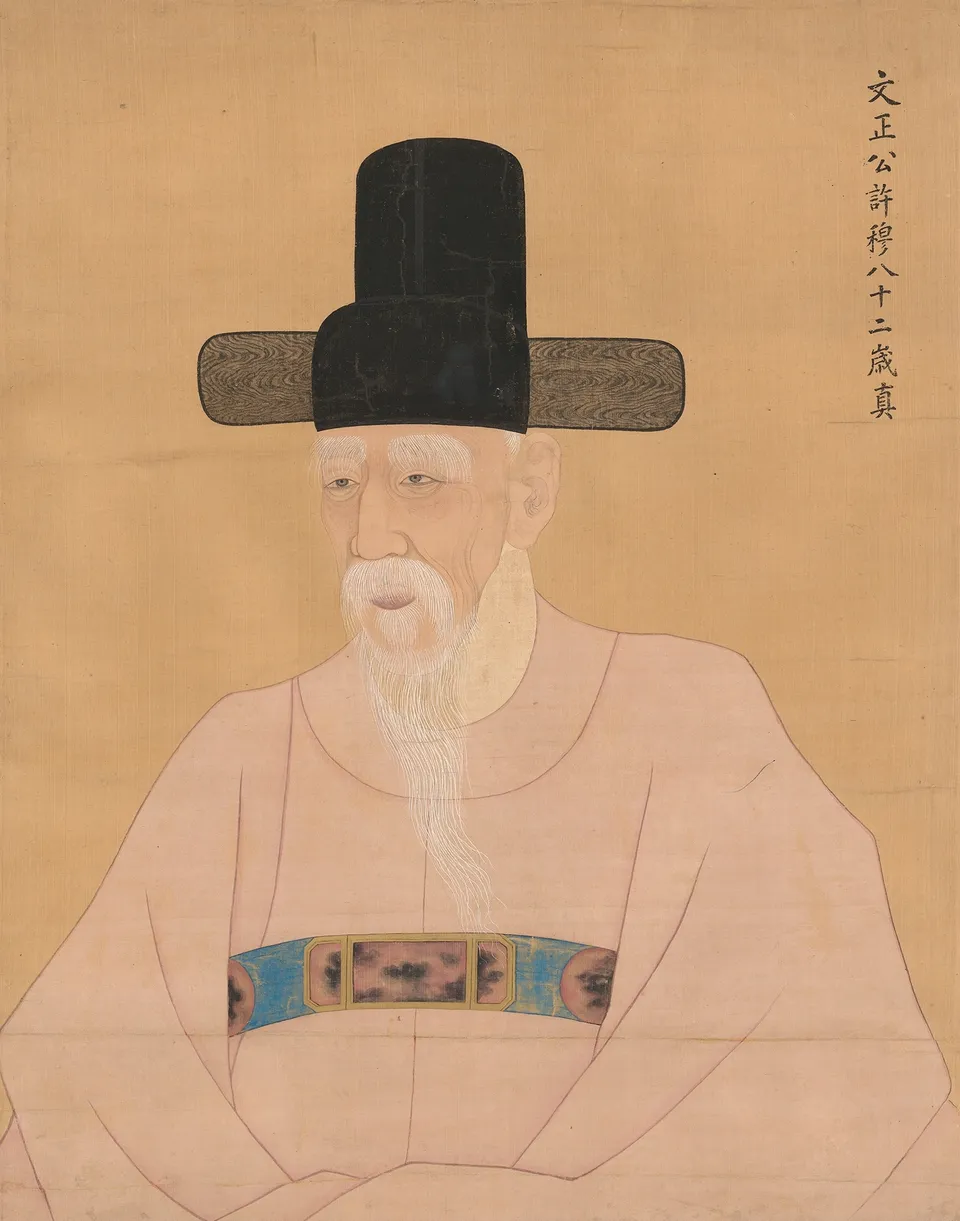
Portrait of Heo Mok, leader of the Southerners in the rites controversies (by Yi Myeong-gi)

Yi Myeong-gi · Public domain · Source

Gihae dispute (1659): when Hyojong died, the Westerners (Song Si-yeol) argued for one year of mourning since he was a second son; the Southerners (Heo Mok, Yun Hyu) for three years since as king he counted as the eldest son. The one-year view prevailed.

Gabin dispute (1674): when Hyojong’s queen died, the Westerners argued for nine months, the Southerners for one year; Hyeonjong sided with the Southerners, who took power.

Framed as a debate over Neo-Confucian ritual, it was really about Hyojong’s legitimacy and royal authority: the Westerners held that the king followed the same rites as the scholar-officials, the Southerners that royal rites were distinct.

The map in 1659

OpenFreeMap © OpenMapTiles © OpenStreetMap contributors

States and rulers at the time
Joseon — Hyeonjong
Places
Changdeokgung

People

  • Hyeonjong1641 – 1674

    monarch · Eighteenth king of Joseon, born in Shenyang where his father Hyojong was a hostage; both mourning-rite disputes took place in his reign

  • Song Si-yeol1607 – 1689

    participant · Leader of the Westerners (later the Noron), adviser to Hyojong’s northern campaign plan and chief voice in the mourning-rite disputes; forced to take poison in 1689

  • Heo Mok1595 – 1682

    participant · Southerner scholar who opposed Song Si-yeol in the mourning-rite disputes, stressing Hyojong’s legitimacy as king

Before and after

Themes that include this event

  • Factional Politics in Joseon1498 – 1863

    From the literati purges to in-law government — how Sarim factions moved from coexistence and checks to purges and one-faction rule, then through Tangpyeong to the dominance of a few clans