Politics15 November 1519(Lunar)

Gimyo Literati Purge

Jo Gwang-jo and his reformist Sarim allies were driven out by the old guard; Jo was forced to take poison in exile at Neungju.
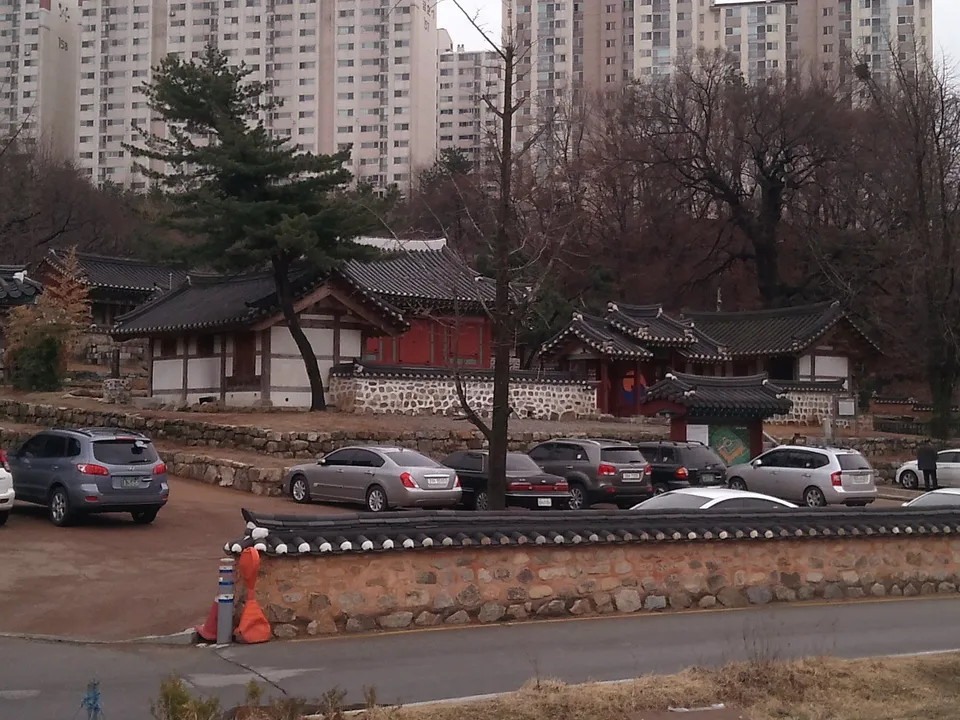
Simgok Seowon, Yongin — the academy honouring Jo Gwang-jo

Mer du Japon (Korean Wikipedia) · Public domain · Source

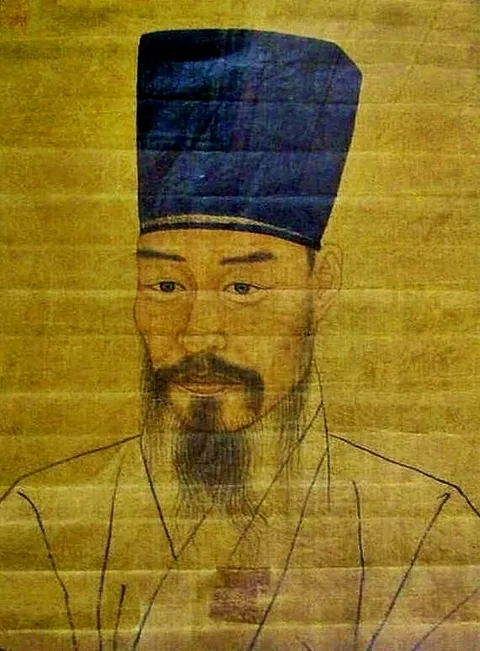
Jungjong raised Jo Gwang-jo and other Sarim to check the merit subjects of 1506. Jo recruited many Sarim through a special recommendation exam (hyeollyanggwa), abolished the Sogyeokseo, the office of Daoist rites (1518), spread village codes (hyangyak) and promoted the Lesser Learning. In 1519 he pushed to strip 76 undeserving merit subjects of their titles, and the old guard — Nam Gon, Sim Jeong and Hong Gyeong-ju — struck back. Legend says they wrote "Ju-cho will be king" (走肖 = 趙, Jo) in honey on leaves for insects to eat out. Jungjong, weary of radical reform, turned on Jo, and the special exam was abolished.
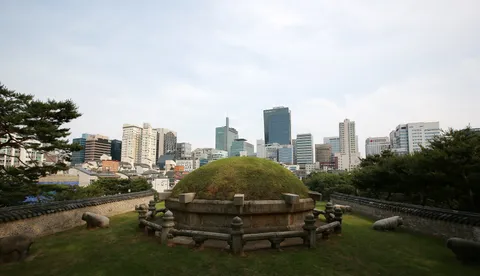
The map in 1519

OpenFreeMap © OpenMapTiles © OpenStreetMap contributors

States and rulers at the time
Joseon — Jungjong

People

  • Jungjong1488 – 1544

    monarch · Eleventh king of Joseon, enthroned by the 1506 coup; raised Jo Gwang-jo and then purged him

  • Jo Gwang-jo1482 – 1520

    related figure · Neo-Confucian reformer exiled to Neungju and forced to take poison in the 1519 purge

Before and after

Related works

  • TV episode: History Journal: The Day Episode 169: Jo Gwang-jo, the Ill-Fated Reformer — Who Was He?TV episode · 2018 · Song Woong-seob · KBS1

Themes that include this event

  • Factional Politics in Joseon1498 – 1863

    From the literati purges to in-law government — how Sarim factions moved from coexistence and checks to purges and one-faction rule, then through Tangpyeong to the dominance of a few clans