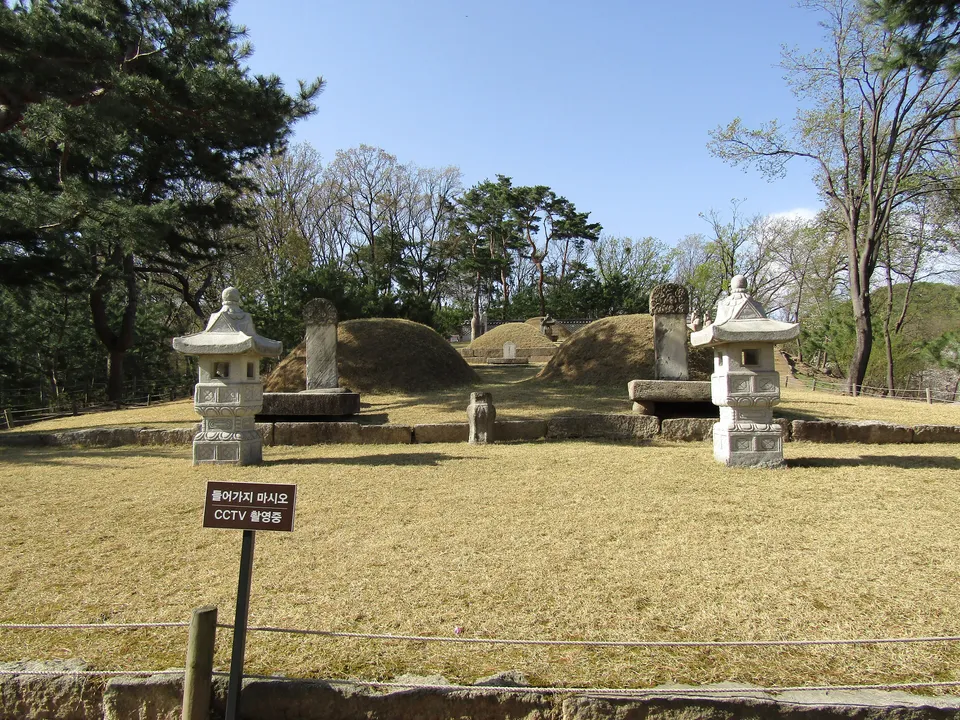
Tomb of Yeonsangun, Dobong-gu, Seoul

Tombus20032000 · CC BY-SA 4.0 · Source

Person1476 – 1506

Yeonsangun

Tenth king of Joseon, who launched two literati purges and was deposed in 1506

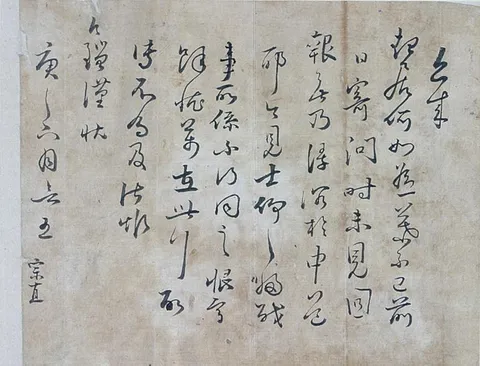
Seongjong's eldest son. In 1498 he launched the Muo Literati Purge over the Jouijemun in Kim Il-son's draft history, and in 1504 the Gapja Literati Purge, reopening the death of his mother, the deposed Queen Yun, and killing hungu and sarim officials alike. He abolished the royal lectures and the Office of the Censor-General, turned the Seonggyungwan into a pleasure ground and banned the Korean script after anonymous Korean-script notices attacked him. Deposed in the Jungjong Restoration of 1506, he died in exile on Gyodong Island off Ganghwa and is remembered only by his princely title, gun.
Where they went

OpenFreeMap © OpenMapTiles © OpenStreetMap contributors

3 related events

  1. 1

    Claiming that Kim Jong-jik's essay had insulted King Sejo, Yeonsangun executed or exiled Gim Il-son and other Sarim scholars — the first literati purge.

  2. 2

    Yeonsangun killed many officials linked to the death of his mother, the deposed Queen Yun; his tyranny led to his overthrow two years later.

  3. 3
    1506Jungjong Restorationrelated figure

    Park Won-jong and others deposed Yeonsangun and enthroned Grand Prince Jinseong as King Jungjong; Yeonsangun was exiled to Gyodong Island.

Related works

Dramatized works (films, dramas, novels) may differ from the historical record.

People who appear alongside

  • Kim Jong-jik1431 – 1492

    Teacher of the Sarim; an essay of his became the pretext for the 1498 purge after his death

  • Park Won-jong1467 – 1510

    Military official who led the 1506 coup that deposed Yeonsangun

  • Jungjong1488 – 1544

    Eleventh king of Joseon, enthroned by the 1506 coup; raised Jo Gwang-jo and then purged him

Themes this person appears in

  • Factional Politics in Joseon1498 – 1863

    From the literati purges to in-law government — how Sarim factions moved from coexistence and checks to purges and one-faction rule, then through Tangpyeong to the dominance of a few clans