Politics2 September 1506(Lunar)

Jungjong Restoration

Park Won-jong and others deposed Yeonsangun and enthroned Grand Prince Jinseong as King Jungjong; Yeonsangun was exiled to Gyodong Island.
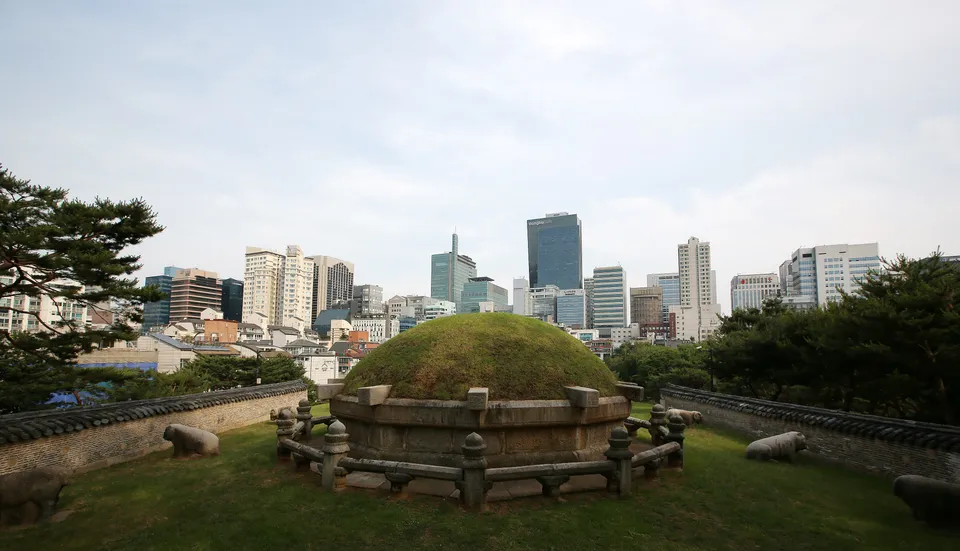
Jeongneung, the tomb of King Jungjong, at Seonjeongneung, Seoul

Republic of Korea · CC BY-SA 2.0 · Source

After the Gapja purge Yeonsangun abolished the royal lectures and the Censor-General’s office, turned the National Academy into a pleasure ground and gathered courtesans from across the country. In the ninth month of 1506 Park Won-jong, Seong Hui-an, Yu Sun-jeong and others raised troops and seized the palace. With the consent of the queen dowager (Queen Jeonghyeon), they enthroned Yeonsangun’s half-brother, Grand Prince Jinseong. It was the first time in Joseon that subjects had deposed a king.

Reduced to the rank of prince, Yeonsangun was exiled to Gyodong Island off Ganghwa and died of illness that November; the record of his reign is therefore called a "diary" rather than annals. As the restoration’s merit subjects dominated the court, Jungjong brought in Jo Gwang-jo and other Sarim to check them — which led to the Gimyo purge.
The map in 1506

OpenFreeMap © OpenMapTiles © OpenStreetMap contributors

States and rulers at the time
Joseon — Jungjong
Places
Gyeongbokgung

People

  • Park Won-jong1467 – 1510

    leader · Military official who led the 1506 coup that deposed Yeonsangun

  • Jungjong1488 – 1544

    monarch · Eleventh king of Joseon, enthroned by the 1506 coup; raised Jo Gwang-jo and then purged him

  • Yeonsangun1476 – 1506

    related figure · Tenth king of Joseon, who launched two literati purges and was deposed in 1506

Before and after

Related works

Dramatized works (films, dramas, novels) may differ from the historical record.

Themes that include this event

  • Factional Politics in Joseon1498 – 1863

    From the literati purges to in-law government — how Sarim factions moved from coexistence and checks to purges and one-faction rule, then through Tangpyeong to the dominance of a few clans