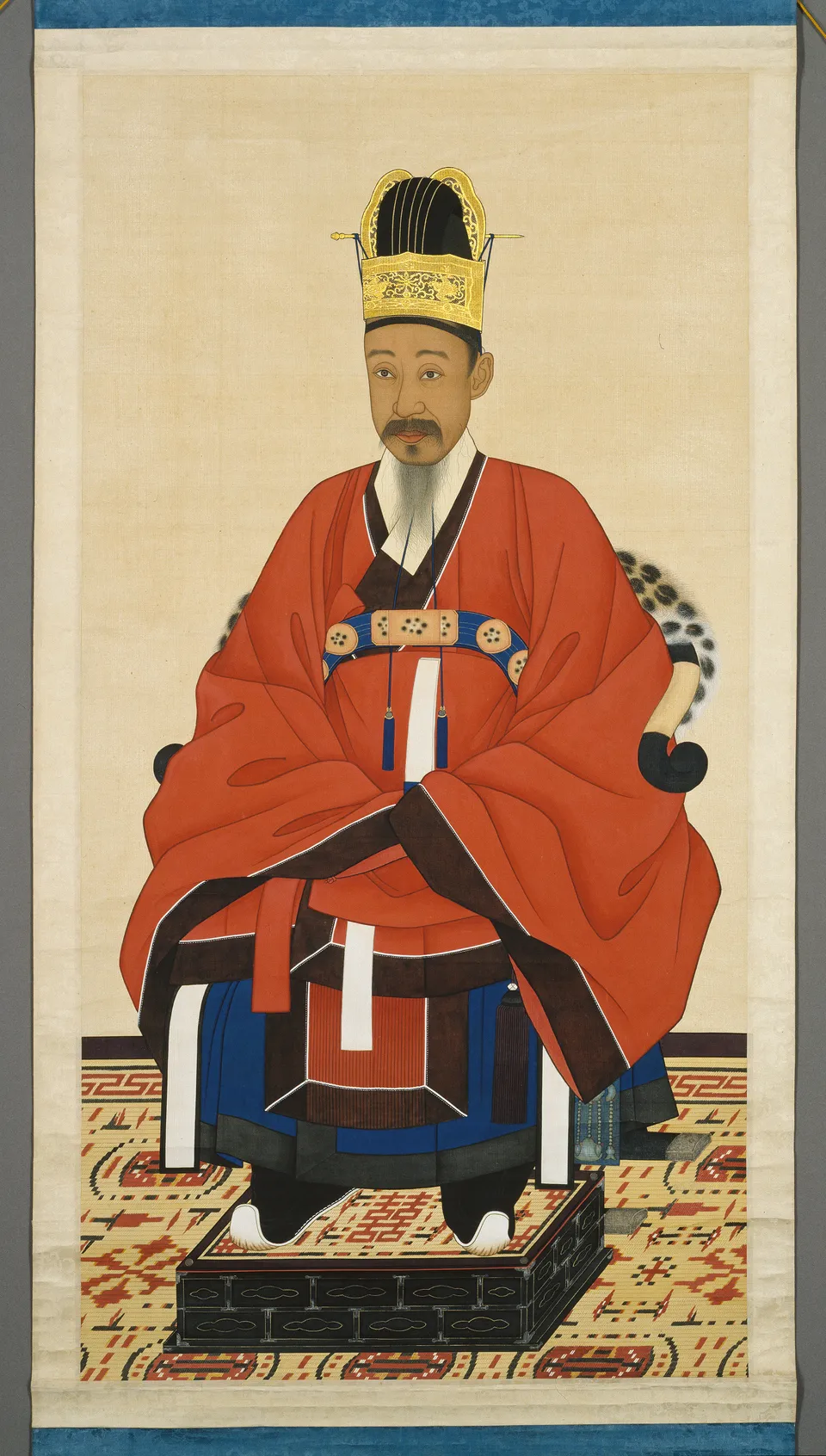
Portrait of Heungseon Daewongun (Yi Ha-eung) by Yi Han-cheol and Yu Suk

이한철·유숙 · Public domain · Source

Person1820 – 1898

Heungseon Daewongun

Gojong's father and regent, who rebuilt Gyeongbokgung and rejected Western trade

When his son Gojong came to the throne in 1863 he took real power. He curbed the in-law clans, shrank the Bibyeonsa and revived the State Council and the Samgunbu, and published the Daejeon hoetong. He introduced the household military cloth tax (hopoje), which made yangban pay too, and the village granary system, and closed all but 47 seowon. To rebuild Gyeongbokgung he levied 'voluntary' contributions (wonnapjeon) and issued dangbaekjeon coins, driving up prices. After the Byeongin Persecution and the French campaign of 1866, Oppert's grave robbery attempt of 1868 and the US expedition of 1871 he erected anti-Western steles. Impeached by Choe Ik-hyeon, he stepped down in 1873; he briefly returned to power in the Imo Incident of 1882 but was taken away to Qing.

Where they went

OpenFreeMap © OpenMapTiles © OpenStreetMap contributors

11 related events

  1. When Gojong took the throne at twelve, his father the Daewongun seized power and attacked the abuses of in-law government, seeking to strengthen the crown and relieve the people.

  2. 1
    1865 – 1868Gyeongbokgung rebuiltleader

    The Daewongun rebuilt Gyeongbokgung, in ruins since 1592; the forced contributions and debased coins that paid for it caused wide resentment.

  3. 2

    To pay for rebuilding Gyeongbokgung, the Heungseon Daewongun issued the dangbaekjeon, a coin rated at 100 times the Sangpyeong Tongbo, setting off steep inflation.

  4. 3
    1866 – 1871Byeongin Persecutionleader

    The Daewongun launched a sweeping persecution of Catholics, executing nine French missionaries and thousands of believers; it became the pretext for the French expedition.

  5. 4

    Citing the persecution of Catholics, a French squadron occupied Ganghwa. Yang Heon-su drove it off at Jeongjok Fortress, and the French withdrew with looted royal archives.

  6. 5

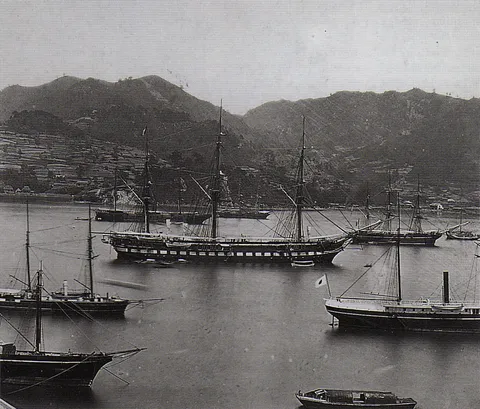
    Refused trade, the German merchant Ernst Oppert tried and failed to dig up the tomb of the Daewongun’s father, hardening Korea’s refusal of the West.

  7. 6

    The Heungseon Daewongun levied the military cloth tax per household rather than per adult male, so yangban households also had to pay.

  8. 7

    The Daewongun closed all but 47 of the country’s private Confucian academies, having already abolished the Mandongmyo shrine of the Noron faction in 1865.

  9. 8

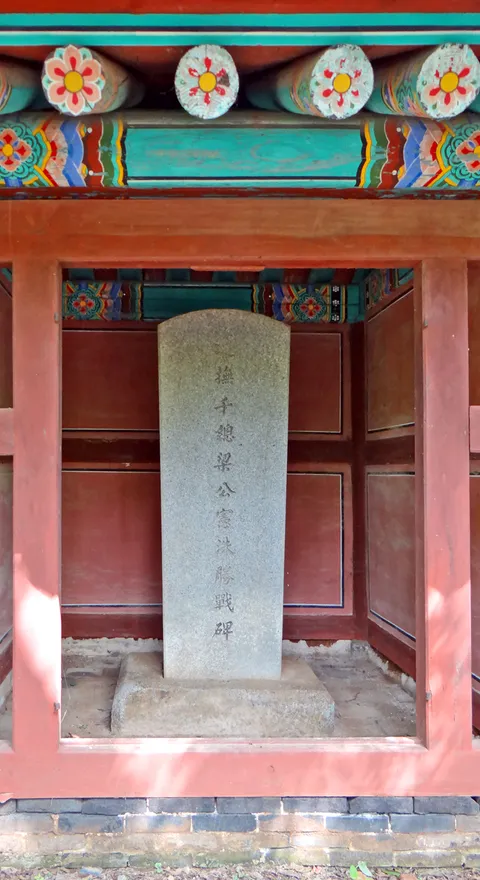
    After the 1871 American attack, the Daewongun raised steles in Seoul and across the country proclaiming that there would be no peace or trade with the West.

  10. 9

    A US squadron sent over the General Sherman incident attacked Ganghwa. Eo Jae-yeon fell at Gwangseongbo, and the Daewongun put up steles rejecting peace with the West.

  11. 10
    1882Imo Incidentrelated figure

    Old-style soldiers angry over unpaid wages rose up and attacked the Japanese legation. The Daewongun briefly returned to power until Qing troops seized him.

Related works

  • Film: FengshuiDramatizedFilm · 2018 · Park Hee-gon
  • TV episode: Naked Korean History Episode 52: How Did Heungseon Daewongun Make His Second Son Gojong King?TV episode · 2023 · Hong Mun-gi · tvN STORY

Dramatized works (films, dramas, novels) may differ from the historical record.

People who appear alongside

  • Gojong1852 – 1919

    Twenty-sixth king of Joseon and first emperor of the Korean Empire

  • Choe Ik-hyeon1833 – 1907

    Confucian loyalist whose memorials toppled the Daewongun and opposed opening to Japan; raised a righteous army in 1906 and died in captivity on Tsushima

  • Siméon-François Berneux1814 – 1866

    French bishop of the Paris Foreign Missions who led the Korean church and was executed at Saenamteo in 1866

  • Yang Heon-su1816 – 1888

    Commander who repelled the French at Jeongjok Fortress in 1866

  • Pierre-Gustave Roze1812 – 1883

    Commander of the French Far East squadron who attacked Ganghwa in 1866

  • Ernst Oppert1832 – 1903

    German merchant who, refused trade, tried to rob the tomb of Prince Namyeon in 1868

  • Eo Jae-yeon1823 – 1871

    Commander killed defending Gwangseongbo against the Americans in 1871

  • Empress Myeongseong1851 – 1895

    Gojong's queen, who resisted Japanese influence and was assassinated in Gyeongbokgung

Themes this person appears in

  • Changes in TaxationAD 755 – 1894

    From land tax, tribute and labour to cash taxes in the Gabo Reform — burdens shifting from people and households to land

  • History of Korean CurrencyAD 996 – 1905

    From Geonwon Jungbo to the 1905 currency reform — how coins took hold in an economy of rice and cloth, and how monetary sovereignty was lost

  • Central Government Through the AgesAD 250 – 1899

    From the noble councils of the Three Kingdoms to the State Council, the Border Defense Council and the Gabo cabinet — how central government shifted between aristocratic consensus and royal power

  • Military Systems Through the AgesAD 685 – 1907

    From the Nine Oath Banners to the Two Armies and Six Guards, the Five Commands and garrison system, the Five Army Camps and the Board of Marshals — armies rebuilt at every crisis

  • Educational Institutions Through the AgesAD 372 – 1943

    From the Taehak and Gukhak to the Gukjagam and Seonggyungwan, modern schools and the colonial education ordinances — state schools that trained officials and the private schools that filled the gaps

  • The Opening of East Asia1839 – 1901

    From the Opium War to the Boxer Protocol — sixty years in which China, Japan and Korea, forced open by Western gunboats, each tried to reform and went separate ways

  • Changes in Architecture1200 – 1910

    From Geungnakjeon at Bongjeongsa to Seokjojeon at Deoksugung — Goryeo bracket styles, Joseon palaces, walls and multi-storey temple halls, and the Western buildings of the Korean Empire

  • Printing and Documentary HeritageAD 751 – 2011

    From the Dharani Sutra to the May 18 archives — woodblock and metal-type printing, and the records inscribed on the Memory of the World

  • Seoul18 BC – 1988

    From Hanseong Baekje to the June Democratic Struggle — the Han River land every kingdom fought for, and Joseon’s capital for five centuries

  • Ganghwa Island1000 BC – 2011

    From dolmens to the Treaty of Ganghwa — Goryeo’s refuge capital and the stage of Korea’s opening, the island the kingdom fell back on in every crisis

  • ChungjuAD 450 – 1895

    From the Goguryeo stele to Tangeumdae — Jungwon, the middle of the Namhan River route that the Three Kingdoms fought over