Cultural heritage1200 – 191013 events
Changes in Architecture
From Geungnakjeon at Bongjeongsa to Seokjojeon at Deoksugung — Goryeo bracket styles, Joseon palaces, walls and multi-storey temple halls, and the Western buildings of the Korean Empire
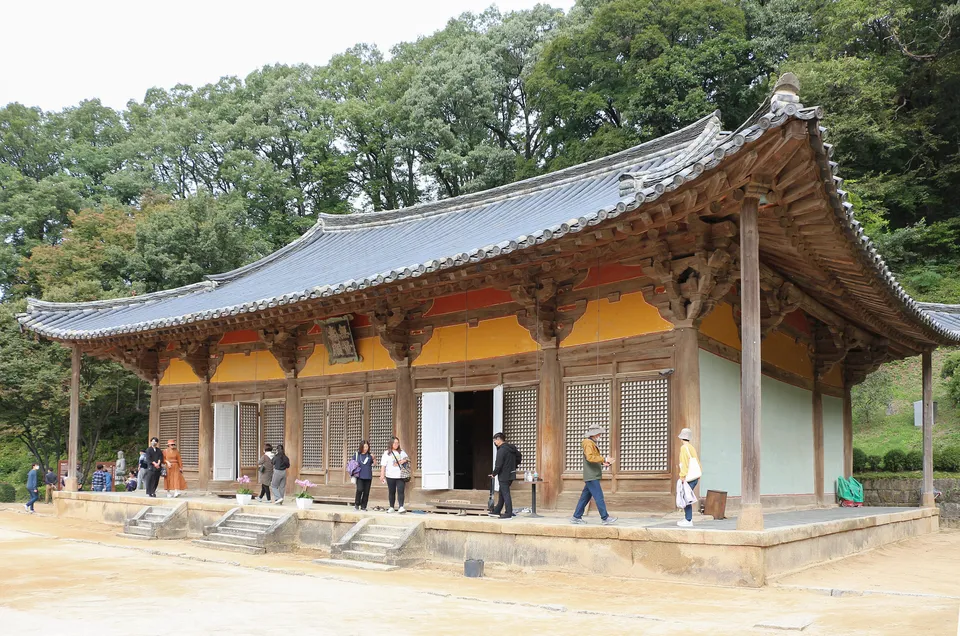
From Geungnakjeon at Bongjeongsa to Seokjojeon at Deoksugung — Goryeo bracket styles, Joseon palaces, walls and multi-storey temple halls, and the Western buildings of the Korean Empire
| Building | Period · date | Style | Features |
|---|---|---|---|
| Geungnakjeon, Bongjeongsa | Goryeo (repaired 1363) | Jusimpo, gabled roof | Oldest surviving wooden building |
| Daeungjeon, Sudeoksa | Goryeo, 1308 | Jusimpo, gabled roof | Oldest building with a certain date |
| Eungjinjeon, Seongbulsa | Late Goryeo | Dapo | Yuan influence; carried on in Joseon’s great halls |
| Muryangsujeon, Buseoksa | Goryeo, rebuilt 1376 | Jusimpo, hipped-and-gabled roof | Entasis columns; clay seated Amitabha |
| Gyeongbokgung founded | Joseon, 1395 | Palace | Main palace; Jeong Do-jeon named its halls |
| Sungnyemun | Joseon, 1398 | Dapo, hipped roof | Main gate of Hanyang; burned 2008, restored 2013 |
| Janggyeong Panjeon, Haeinsa | Joseon, 1488 | Plain depositories | Ventilation and humidity control for the woodblocks; WHS |
| Palsangjeon, Beopjusa | Joseon, 1605–1626 | Five-storey wooden pagoda | The only one surviving |
| Mireukjeon, Geumsansa | Joseon, 1635 | Three-storey hall, open inside | Maitreya worship; 17th-c. multi-storey hall |
| Gakhwangjeon, Hwaeomsa | Joseon, 1702 | Two-storey hall, dapo | Multi-storey hall of the period; Silla lantern in front |
| Hwaseong Fortress | Joseon, Jeongjo, 1794–1796 | Fortress (stone and brick) | Crane, observation towers, construction record; WHS |
| Gyeongbokgung rebuilt (Geunjeongjeon) | Joseon, Gojong, 1865–1868 | Dapo, two-tier hipped-and-gabled roof | Heungseon Daewongun; forced donations, dangbaekjeon coin |
| Seokjojeon, Deoksugung | Korean Empire, 1900–1910 | Neoclassical (Ionic columns) | Western stone building; US–Soviet Joint Commission |
The oldest surviving wooden building in Korea. A record of roof repairs in 1363 shows this Goryeo column-head-bracket hall was built well before then.
A Goryeo column-head-bracket hall built in 1308 — the oldest wooden building whose date is certain.
A late Goryeo hall in the multi-bracket style. Brought in from Yuan, this style went on to the great palace and temple halls of Joseon.
A Goryeo column-head-bracket hall rebuilt in 1376, famous for its entasis columns and hipped-and-gabled roof, enshrining a clay seated Amitabha.
The main palace, Gyeongbokgung, was completed in the new capital; Jeong Do-jeon named it after a line in the Book of Songs.
The main gate of the Hanyang city wall (Namdaemun). A multi-bracket gate finished in 1398, it burned in 2008 and was restored in 2013.
Early Joseon depositories that hold the Tripitaka Koreana woodblocks. Their scientific design for ventilation and humidity made them a World Heritage Site in 1995.
The only surviving five-storey wooden pagoda in Korea. Burned in the second Japanese invasion, it was rebuilt from 1605 to 1626.
A three-storey hall rebuilt in 1635 — three storeys outside, one open space inside for a huge Maitreya Buddha.
A two-storey hall finished in 1702 — two storeys outside, one open space inside, in the multi-bracket style; one of the largest wooden Buddhist halls in Korea.
Jeongjo built a new fortress at Suwon, where he had moved his father’s tomb. Jeong Yak-yong helped design it and introduced a crane; the work was recorded in a detailed royal protocol.
The Daewongun rebuilt Gyeongbokgung, in ruins since 1592; the forced contributions and debased coins that paid for it caused wide resentment.
A Western-style stone building raised in Gyeongungung (Deoksugung) under the Korean Empire — a neoclassical hall begun in 1900 and finished in 1910.


Founder and first king of Joseon, formerly a general who fought Japanese pirates and the Red Turbans
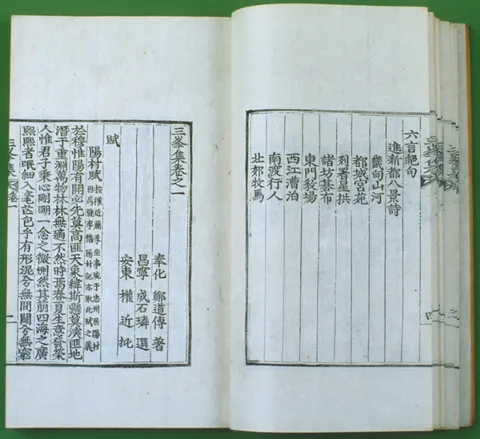
Neo-Confucian architect of the new dynasty who named the palace and capital gates; killed in the First Strife of Princes
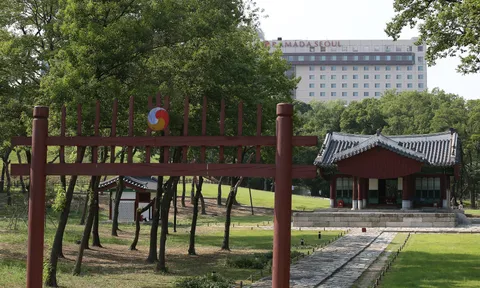
Ninth king of Joseon, who completed the Gyeongguk daejeon code and promoted Sarim scholars
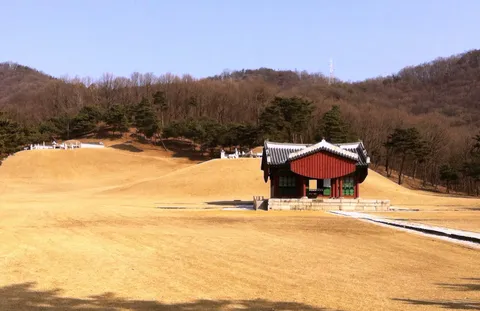
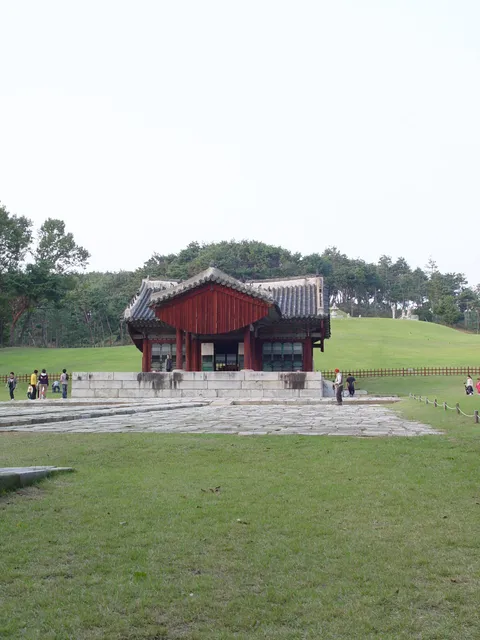
Twenty-second king of Joseon, founder of the Gyujanggak library and builder of Hwaseong Fortress
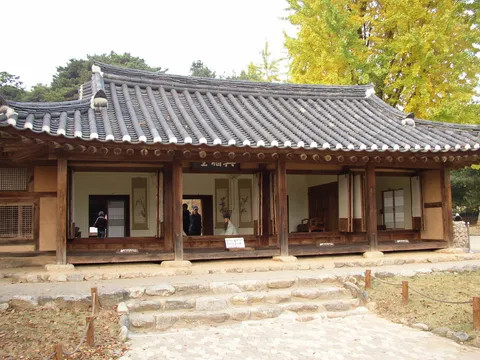
Silhak scholar who helped design Hwaseong; exiled to Gangjin, where he wrote the Mongmin simseo
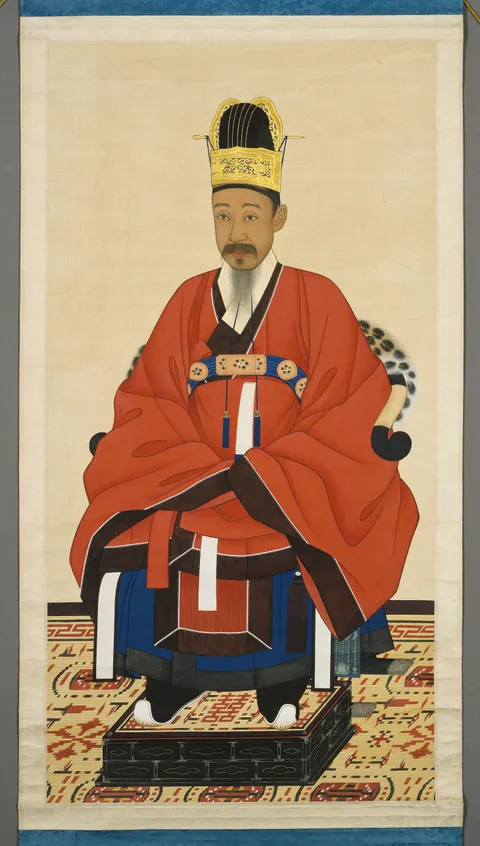
Gojong's father and regent, who rebuilt Gyeongbokgung and rejected Western trade