CultureSeptember 1395(Lunar)

Gyeongbokgung built

The main palace, Gyeongbokgung, was completed in the new capital; Jeong Do-jeon named it after a line in the Book of Songs.
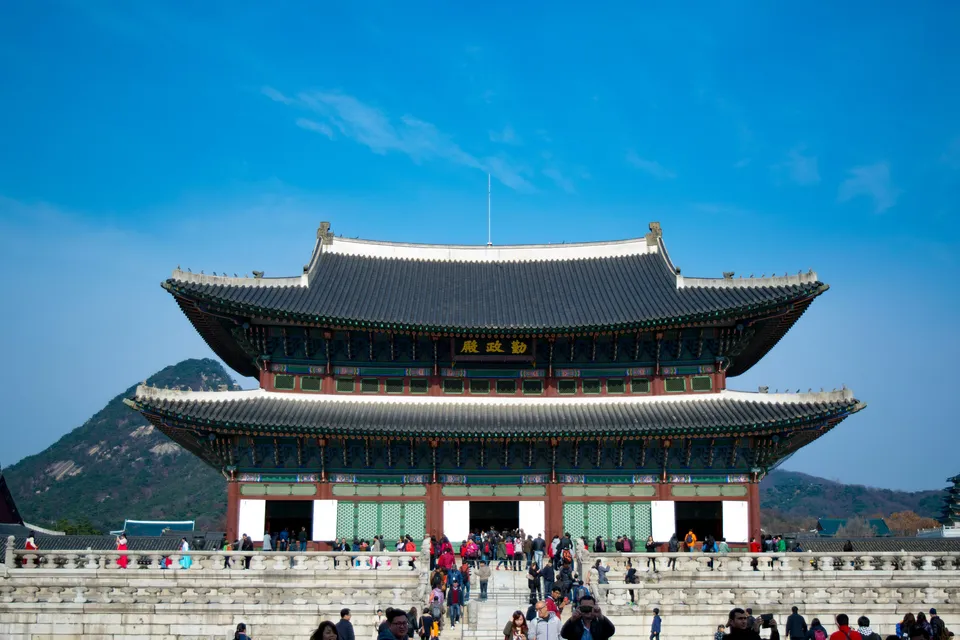
Geunjeongjeon, the throne hall of Gyeongbokgung (present building rebuilt in 1867)

Brady Bellini · CC0 · Source

The name comes from a line in the Book of Songs: "Drunk with wine and filled with virtue, may the lord enjoy great blessings (gyeongbok) for ten thousand years." Jeong Do-jeon also named its main halls, such as Geunjeongjeon and Sajeongjeon. It was the principal palace, though after the Strifes of Princes kings often preferred Changdeokgung, built by Taejong. Burned during the Imjin War, it lay in ruins for some 270 years until the Heungseon Daewongun began rebuilding it in 1865.

The map in 1395

OpenFreeMap © OpenMapTiles © OpenStreetMap contributors

States and rulers at the time
Joseon — Taejo
Places
Gyeongbokgung

People

  • Taejo (Yi Seong-gye)1335 – 1408

    monarch · Founder and first king of Joseon, formerly a general who fought Japanese pirates and the Red Turbans

  • Jeong Do-jeon1342 – 1398

    participant · Neo-Confucian architect of the new dynasty who named the palace and capital gates; killed in the First Strife of Princes

Before and after

Themes that include this event

  • Changes in Architecture1200 – 1910

    From Geungnakjeon at Bongjeongsa to Seokjojeon at Deoksugung — Goryeo bracket styles, Joseon palaces, walls and multi-storey temple halls, and the Western buildings of the Korean Empire

  • Seoul18 BC – 1988

    From Hanseong Baekje to the June Democratic Struggle — the Han River land every kingdom fought for, and Joseon’s capital for five centuries