Military Systems Through the Ages
From the Nine Oath Banners to the Two Armies and Six Guards, the Five Commands and garrison system, the Five Army Camps and the Board of Marshals — armies rebuilt at every crisis
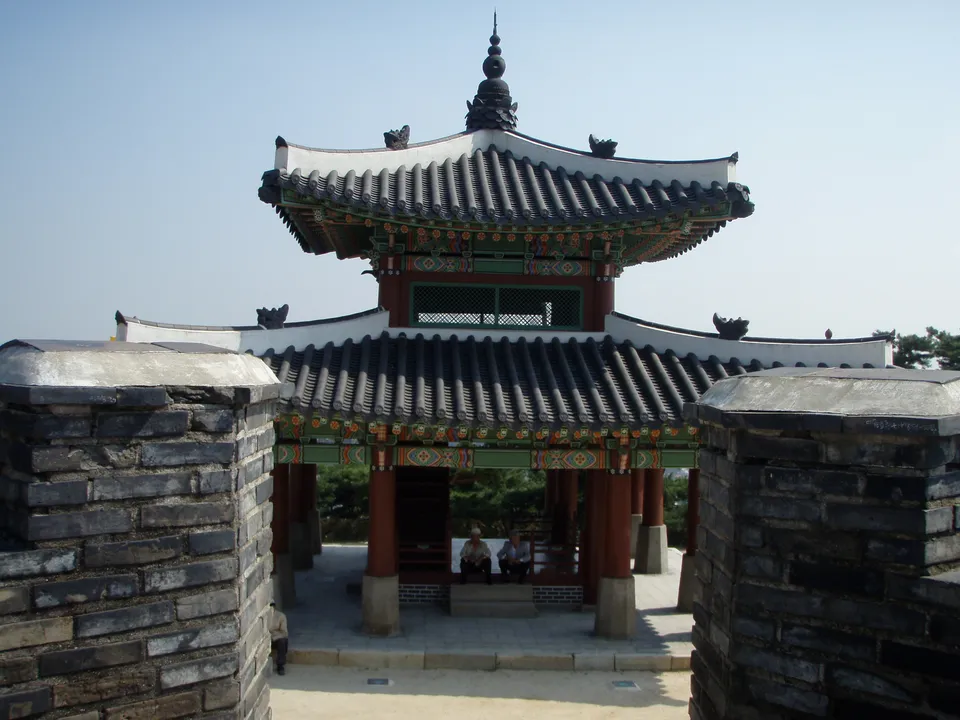
oreum · CC BY-SA 3.0 · Source

From the Nine Oath Banners to the Two Armies and Six Guards, the Five Commands and garrison system, the Five Army Camps and the Board of Marshals — armies rebuilt at every crisis

oreum · CC BY-SA 3.0 · Source
| Period | Military organization | Key points |
|---|---|---|
| Unified Silla (King Sinmun) | Nine seodang (centre), ten jeong (provinces) | Goguryeo, Baekje and Malgal men in the seodang |
| Balhae | Ten Guards (centre) | Guarding palace and capital |
| Goryeo, Jeongjong (947) | Gwanggun of 300,000; Gwanggunsa | Against the Khitan; basis of provincial forces |
| Goryeo (Seongjong – Hyeonjong) | Two Armies, Six Guards; juhyeongun and jujingun | Hereditary soldiers; Jungbang council |
| Goryeo, Sukjong (1104) | Byeolmuban (cavalry, infantry, monk corps) | Yun Gwan’s proposal; Jurchen campaign |
| Goryeo military regime | Sambyeolcho (left/right byeolcho, sinuigun) | Base of the Choe regime; fought the Mongols |
| Early Joseon (Sejo) | Five Commands (centre); jingwan garrisons | Universal commoner service; bobeop |
| 16th century (around 1555) | Jeseung banglyak system | Service commuted to cloth; early defeats in 1592 |
| Imjin War (1593 – 94) | Hullyeon Dogam (three arms); sogogun | Paid soldiers; yangban to slaves in one unit |
| Late Joseon (complete 1682) | Five Army Camps | Set up as needed; military bases of factions |
| Opening era (1881) | Byeolgigun; five camps → Muwiyeong and Jangeoyeong | Old-style soldiers slighted → Imo Incident |
| Korean Empire (1899 –) | Board of Marshals; capital guards and provincial garrisons | Emperor commands directly; army disbanded 1907 |
King Sinmun divided the realm into nine provinces (ju) and set up five secondary capitals (sogyeong), completing the provincial system of unified Silla.
King Seon subdued most of the Malgal and pushed into Liaodong, giving Balhae its greatest extent, and organized five capitals, 15 prefectures and 62 districts; Tang called Balhae the Flourishing Land in the East.
Jeongjong, third king of Goryeo, raised a 300,000-strong reserve army, the Gwanggun, against the Khitans and set up the Gwanggunsa to command it.
Goryeo’s central army consisted of the Two Armies and Six Guards, and its provincial forces of the juhyeongun in the five circuits and the jujingun in the two frontier regions.
Outmatched by Jurchen cavalry, Goryeo formed the Byeolmuban, a special army of cavalry, infantry and warrior monks, on Yun Gwan’s advice.
Rejecting the return to Gaegyeong, the Sambyeolcho under Bae Jung-son rose on Ganghwa and, moving to Jindo and then Jeju, held out for three years against combined Goryeo and Mongol forces.
King Sejo set up the jingwan system, grouping the troops of nearby counties under a key garrison town in each province for self-defence. The central army was reorganised into the Five Guards.
During the Imjin War, on Ryu Seong-ryong’s advice, the Hullyeon Dogam was founded to train musketeers, archers and spearmen. It was a standing army of paid soldiers.
King Sukjong set up the Geumwiyeong, completing the system of Five Army Camps together with the Hullyeon Dogam, Eoyeongcheong, Chongyungcheong and Sueocheong.
Jeongjo created the Jangyongyeong royal guard with an inner garrison in the capital and an outer one at Hwaseong in Suwon; through the chogye munsin system he retrained young officials.
When Gojong took the throne at twelve, his father the Daewongun seized power and attacked the abuses of in-law government, seeking to strengthen the crown and relieve the people.
The government set up the Office for Extraordinary State Affairs to manage reform (1880) and a new-style army, the Byeolgigun, trained by a Japanese officer (1881).
Old-style soldiers angry over unpaid wages rose up and attacked the Japanese legation. The Daewongun briefly returned to power until Qing troops seized him.
The Kim Hong-jip cabinet installed after the queen’s assassination adopted the solar calendar, the era name Geonyang, smallpox vaccination and primary schools — and ordered men to cut off their topknots.
On the principle of "old ways as the root, new ways for reference", the Korean Empire strengthened the emperor’s power and pressed land surveys and title deeds, industry and modern infrastructure.
Japan forcibly disbanded the Korean army. When battalion commander Park Seung-hwan took his own life, the guards fought Japanese troops around Namdaemun, and disbanded soldiers joined the righteous armies.

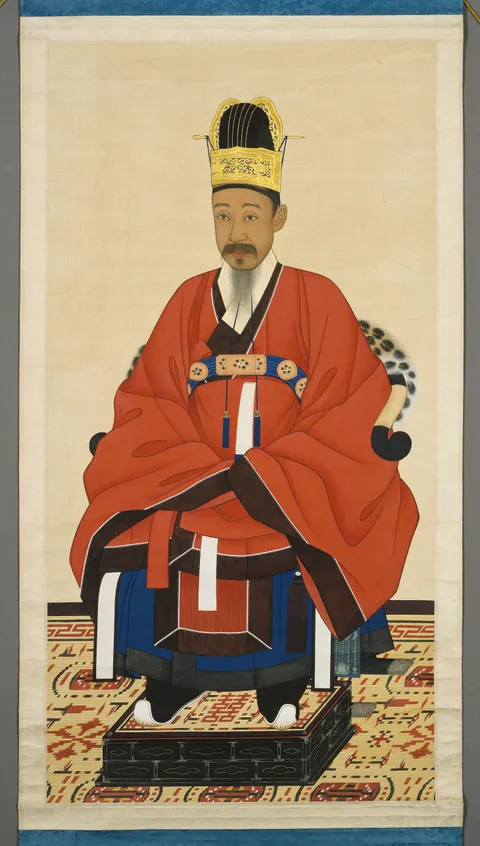
Chief State Councillor who directed the war effort during the Imjin War, proposed the Hullyeon Dogam, and wrote the Jingbirok

Gojong's father and regent, who rebuilt Gyeongbokgung and rejected Western trade
Confucian loyalist whose memorials toppled the Daewongun and opposed opening to Japan; raised a righteous army in 1906 and died in captivity on Tsushima
Munmu's son and 31st king of Silla, who crushed Kim Heum-dol's revolt and strengthened royal power through the National Academy, the nine provinces and office-land grants
Balhae's tenth king, who subdued most of the Malgal, reached Liaodong and organized five capitals, 15 prefectures and 62 districts; Balhae was then called the Flourishing Land in the East
Third king of Goryeo, who raised the 300,000-strong Gwanggun and planned to move the capital to Seogyeong
Sixth king of Goryeo, who adopted Choe Seung-ro’s 28-article memorial and built a Confucian central and local administration
Eighth king of Goryeo, who weathered the second and third Khitan invasions and began the first Tripitaka
General who created the Byeolmuban army and built the Nine Forts after defeating the Jurchens
Fifteenth king of Goryeo, who minted coins such as Haedong tongbo and created the Byeolmuban army
Leader of the Sambyeolcho who rejected the return to Gaegyeong and resisted from Jindo