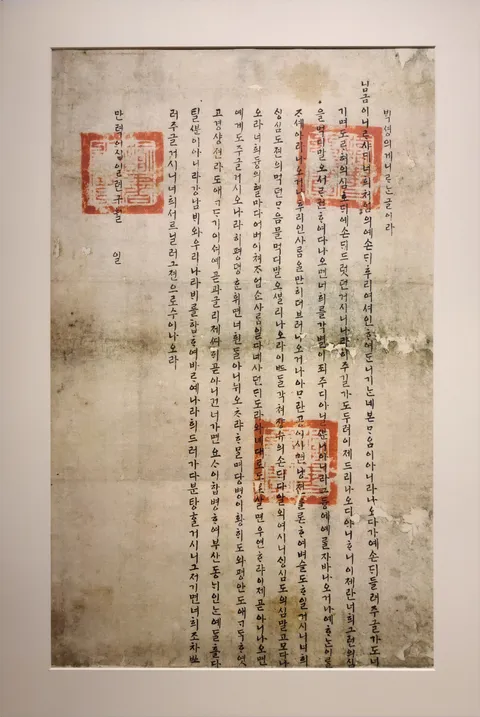
Military Training Command founded
During the Imjin War, on Ryu Seong-ryong’s advice, the Hullyeon Dogam was founded to train musketeers, archers and spearmen. It was a standing army of paid soldiers.
Early in the Imjin War the Joseon army collapsed before Japanese muskets and massed tactics. When the Zhejiang tactics of the Ming army proved effective in retaking Pyongyang (1593), King Seonjo accepted Ryu Seong-ryong’s proposal and founded the Hullyeon Dogam in 1593, training troops after the Jixiao xinshu of the Ming general Qi Jiguang.
Its soldiers were organised in three arms — musketeers (posu), archers (sasu) and close-combat spearmen and swordsmen (salsu). They were not conscripts but recruited professionals paid a salary, funded by a separate land levy, the samsumi. The command later became the core of the Five Army Camps, defending the capital.
Provincial forces were also reformed: in 1594 the sogogun was formed, enrolling everyone from yangban to slaves, who farmed in peacetime, trained, and fought in emergencies. It restored the jingwan system, though yangban later slipped out, unwilling to serve alongside slaves.