Politics818–830 (reign of King Seon)

King Seon and the “Flourishing Land in the East”

King Seon subdued most of the Malgal and pushed into Liaodong, giving Balhae its greatest extent, and organized five capitals, 15 prefectures and 62 districts; Tang called Balhae the Flourishing Land in the East.
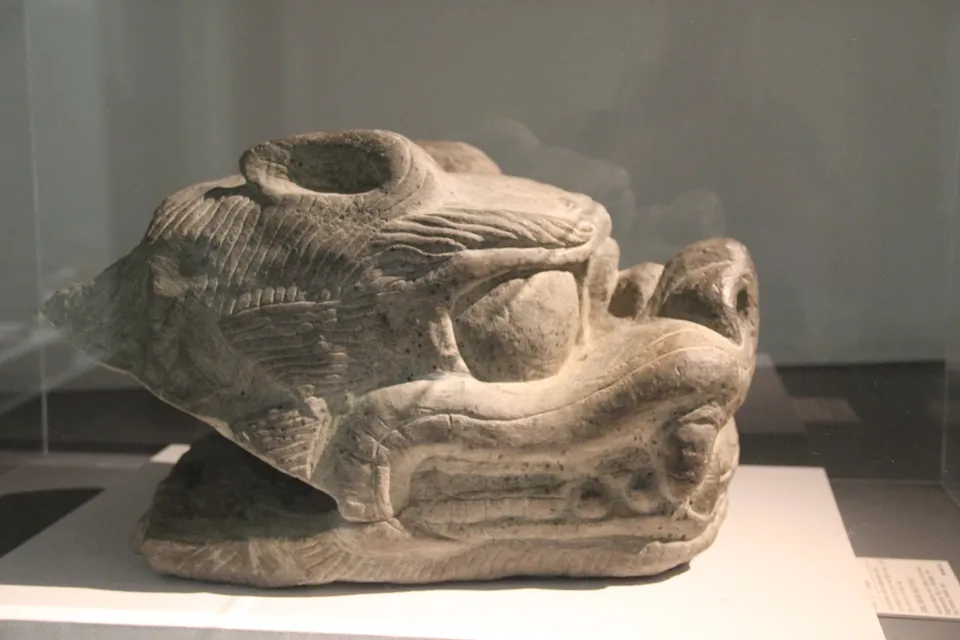
Balhae stone beast head that decorated a palace platform, National Museum of Korea

Gary Todd · CC0 · Source

A fourth-generation descendant of Dae Jo-yeong’s brother Dae Ya-bal, Seon used the era name Geonheung. He subdued the Malgal tribes except those toward the Heishui, fixed the border with Silla at the Niha river (usually placed near the Yongheung River) and advanced into Liaodong.

The provinces were divided into five capitals, 15 prefectures (bu) under governors and 62 districts (ju) under prefects, while Malgal villages kept their own chiefs; the central army had ten guards. Tang called Balhae in this age haedong seongguk, “the flourishing land east of the sea”.

The map in AD 818

OpenFreeMap © OpenMapTiles © OpenStreetMap contributors

States and rulers at the time
Tang — Emperor Xianzong
Places
Sanggyeong (Upper Capital) of Balhae

People

  • King Seon (Dae In-su)AD 830

    monarch · Balhae's tenth king, who subdued most of the Malgal, reached Liaodong and organized five capitals, 15 prefectures and 62 districts; Balhae was then called the Flourishing Land in the East

Before and after

Themes that include this event

  • Local Administration Through the AgesAD 250 – 1896

    From the five regions of the Three Kingdoms through nine provinces, the five circuits and two frontiers and the eight provinces to the thirteen — how directly the centre came to rule the regions

  • Military Systems Through the AgesAD 685 – 1907

    From the Nine Oath Banners to the Two Armies and Six Guards, the Five Commands and garrison system, the Five Army Camps and the Board of Marshals — armies rebuilt at every crisis