Cultural heritageAD 751 – 201119 events
Printing and Documentary Heritage
From the Dharani Sutra to the May 18 archives — woodblock and metal-type printing, and the records inscribed on the Memory of the World
Steve46814 · CC BY-SA 3.0 · Source
From the Dharani Sutra to the May 18 archives — woodblock and metal-type printing, and the records inscribed on the Memory of the World
Steve46814 · CC BY-SA 3.0 · Source
| Record | Period | Features | Memory of the World |
|---|---|---|---|
| Dharani Sutra | Unified Silla, 8th c. (before 751) | Found in Seokgatap; oldest extant woodblock print | — |
| First Tripitaka | Goryeo, from 1011 to c. 1087 | To repel the Khitan by Buddha’s power; burned by Mongols | — |
| Sangjeong gogeum yemun | Goryeo, c. 1234 | 28 copies in metal type (per Yi Gyu-bo); lost | — |
| Tripitaka Koreana | Goryeo, 1236 – 1251 | Carved on Ganghwa against the Mongols; kept at Haeinsa | 2007 (depositories: World Heritage 1995) |
| Jikji | Goryeo, 1377 | Heungdeoksa, Cheongju; oldest extant metal-type book; in BnF | 2001 |
| Gyemija · Gabinja type | Taejong 1403 · Sejong 1434 | Bronze type of the Type Foundry; Gabinja set without wax | — |
| Veritable Records | Taejo to Cheoljong (from 1413) | Compiled after each reign; kept in mountain archives | 1997 |
| Hunminjeongeum Haerye | Sejong 1446 (found 1940) | Explains how the letters were designed; Kansong Museum | 1997 |
| Nanjung Ilgi | Imjin War, 1592 – 1598 | Yi Sun-sin’s war diary; Hyeonchungsa, Asan | 2013 |
| Uigwe | 1601 – early 20th c. | Royal events in text and pictures; Oegyujanggak copies back in 2011 | 2007 |
| Dongui bogam | Gwanghaegun, 1610 | Heo Jun’s compendium of Korean medicine; reprinted in China, Japan | 2009 |
| Seungjeongwon Ilgi | 1623 – 1910 (surviving) | Daily log of the Royal Secretariat; 3,243 vols. | 2001 |
| Ilseongnok | From Jeongjo, 1760 – 1910 | King’s diary begun by Jeongjo; by heading and detail | 2011 |
| May 18 archives · Saemaul Undong archives | 1980 · 1970s | Records of democratization and rural development | 2011 · 2013 |
A sutra scroll found inside the Seokgatap pagoda of Bulguksa, counted among the oldest surviving woodblock prints in the world.
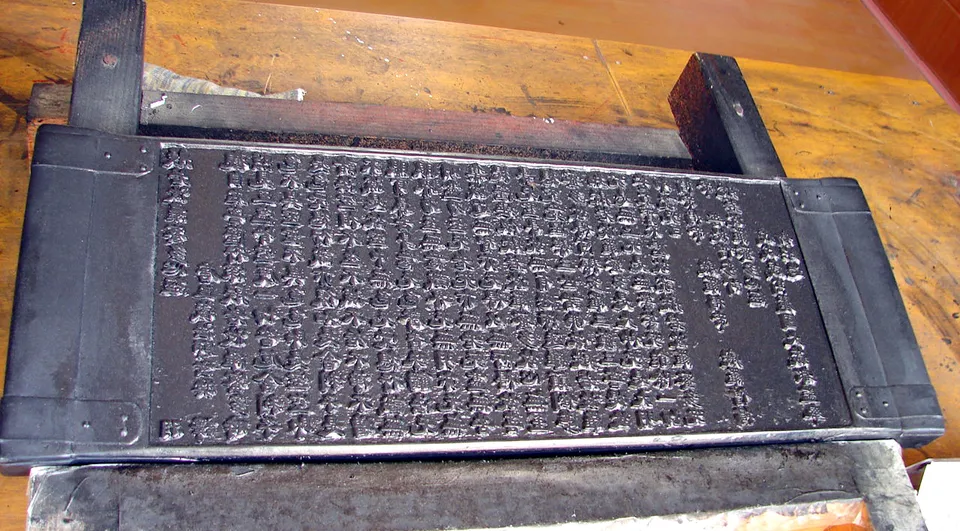
Hoping the Buddha’s power would repel the Khitans, Goryeo began carving the Buddhist canon under Hyeonjong and finished it decades later; the blocks burned in the Mongol invasion of 1232.
Yi Gyu-bo’s collected works record that, after the move to Ganghwa, 28 copies of the ritual code Sangjeong gogeum yemun were printed with metal type. No copy survives.
Hoping the Buddha’s power would drive out the Mongols, Goryeo set up a Tripitaka directorate on Ganghwa and spent 16 years carving more than 80,000 woodblocks, now kept at Haeinsa in Hapcheon.
The Jikji was printed with metal type at Heungdeoksa in Cheongju; it is the oldest extant book printed with movable metal type.
King Taejong set up the Type Foundry (Jujaso) and cast the Gyemi type, the first metal movable type made in Joseon.
Under King Taejong the Annals of King Taejo were compiled, beginning the practice of compiling each king’s annals after his death. They cover 472 years, from Taejo to Cheoljong, in chronological form.
Sejong had Yi Cheon, Jang Yeong-sil and others cast a new bronze type, the Gabin type, which became the model of Joseon movable type.
King Sejong published Hunminjeongeum, a new script he created for ordinary people.
The diary Yi Sun-sin kept in camp through the seven years of the Imjin War; Memory of the World since 2013.
Illustrated records of royal weddings, funerals, investitures and building works, in text and pictures; Memory of the World since 2007.
Heo Jun completed the 25-volume medical encyclopedia Dongui bogam, drawing on Korean herbs and remedies; it is on UNESCO’s Memory of the World register.
The daily journal of the Royal Secretariat, which handled royal orders — among the largest single historical records in the world.
A royal diary that grew out of the journal Jeongjo kept as crown grandson; Memory of the World since 2011.
Citing the persecution of Catholics, a French squadron occupied Ganghwa. Yang Heon-su drove it off at Jeongjok Fortress, and the French withdrew with looted royal archives.
The Haerye edition of the Hunminjeongeum, published in 1446, came to light in Andong, revealing for the first time the principles behind the Korean alphabet.
A government-led movement for diligence, self-help and cooperation to improve rural living conditions and incomes, later extended to cities and factories.
From 18 to 27 May 1980, in Gwangju, martial-law troops used force against citizens demanding an end to martial law and to the new military group, and many citizens were killed.
The 297 volumes of uigwe looted from the Oegyujanggak by French troops in 1866 came back after 145 years.
Writer of the Lay of King Dongmyeong whose collected works record the metal-type printing of the Sangjeong gogeum yemun
Son of Choe Chung-heon who set up the Jeongbang personnel office and moved the court to Ganghwa in 1232

Third king of Joseon, who seized power in the Strifes of Princes and strengthened royal authority

Fourth king of Joseon, creator of Hangul, patron of science and of the northern frontier
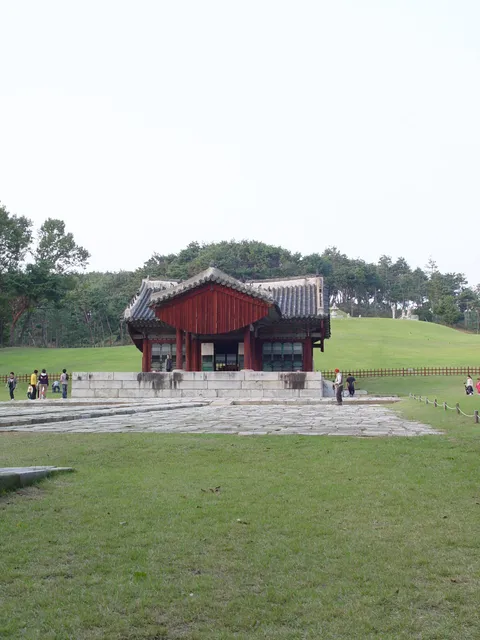
Twenty-second king of Joseon, founder of the Gyujanggak library and builder of Hwaseong Fortress
Eighth king of Goryeo, who weathered the second and third Khitan invasions and began the first Tripitaka
Twenty-third king of Goryeo, who reigned through the Mongol invasions from Ganghwa Island
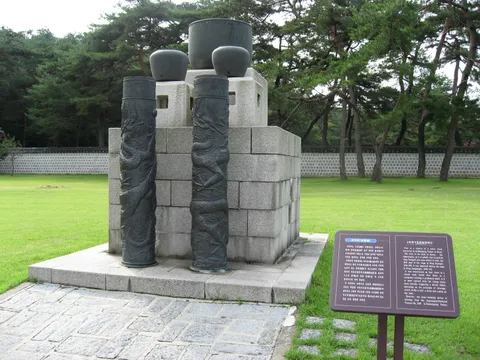
Scientist of humble birth who built the self-striking water clock for Sejong and helped make astronomical instruments
Jiphyeonjeon scholar who wrote the preface to the Hunminjeongeum haerye and led the compilation of the Goryeosa
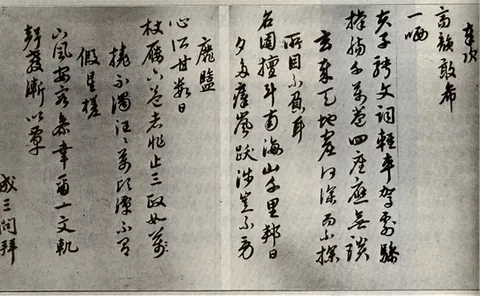
Hall of Worthies scholar executed for plotting to restore Danjong; one of the Six Martyred Ministers
Jiphyeonjeon scholar who helped create Hunminjeongeum, wrote the Haedong jegukgi after a mission to Japan, and became Chief State Councillor under Sejo