Institutions over timeAD 755 – 189411 events
Changes in Taxation
From land tax, tribute and labour to cash taxes in the Gabo Reform — burdens shifting from people and households to land
Unknown author · Public domain · Source
From land tax, tribute and labour to cash taxes in the Gabo Reform — burdens shifting from people and households to land
Unknown author · Public domain · Source
| System | When · ruler | Content | Significance · limits |
|---|---|---|---|
| Village registers | Unified Silla, 8th c. | People, land, livestock counted every 3 years | Basis for tax, tribute, labour |
| Goryeo taxation | From Taejo (moderate levies) | Land tax (1/10), tribute, labour | Private land taxed at 1/10 |
| Gwajeon land tax | 1391 | 1/10 of harvest, max 30 du per gyeol | Crop inspection open to abuse |
| Gongbeop | Sejong 1444 | 6 land grades, 9 harvest grades; 20–4 du | Rules fixed after a poll |
| Daedong Law (tribute) | Gwanghaegun 1608 → nationwide 1708 | 12 du rice per gyeol; Seonhyecheong | Fewer abuses; licensed merchants |
| Yeongjeong Law (land tax) | Injo 1635 | Fixed 4–6 du per gyeol | Surcharges kept burden high |
| Gyunyeok Law (military) | Yeongjo 1750 | Cloth levy 2 → 1 bolt; land surcharge | Surcharge passed to tenants |
| Quota system | 18th c. | Fixed tax totals per county, paid jointly | Room for local extortion |
| Three administrations in disorder | In-law government, 19th c. | Land tax, military cloth, grain loans | Uprising of 1862; reform office |
| Household tax · village granaries | Heungseon Daewongun 1871 | Yangban pay cloth tax; sachang | Relief for farmers; yangban anger |
| Taxes paid in cash | Gabo Reform 1894 | Cash taxes; single finance ministry | Modern public finance |
Registers of the people, land, livestock and trees of four villages near Seowon-gyeong (Cheongju), revised by village heads every three years.
Wang Geon both embraced and checked the regional lords, pursued a northward policy, and left his successors the Ten Injunctions before he died.
Yi Seong-gye and the new scholar-officials abolished the magnates’ estates and enacted the Gwajeon Law, granting officials rent rights to land in Gyeonggi only.
Sejong fixed a land tax graded by six classes of soil fertility and nine classes of harvest.
Tribute in local goods was replaced by a tax in rice levied on land; begun in Gyeonggi, it took a century to cover the whole country.
Injo fixed the land tax at 4 to 6 du of rice per gyeol regardless of the harvest.
The annual military cloth tax on commoner men was halved from two bolts to one, with the shortfall covered by new levies on fisheries, salt and land.
For some sixty years after Jeongjo, through the reigns of Sunjo, Heonjong and Cheoljong, royal in-law clans such as the Andong Kim and Pungyang Jo monopolized power; the three taxes became corrupt and peasant revolts followed.
Peasants in Jinju rose against extortion by the provincial army commander; that year uprisings spread to some 70 counties in the south.
The Heungseon Daewongun levied the military cloth tax per household rather than per adult male, so yangban households also had to pay.
A deliberative council abolished the class system and the civil service exam and overhauled government; the cabinet of Kim Hong-jip led it under Japanese pressure.
Twenty-fifth king of Joseon, raised on Ganghwa and placed on the throne by the Andong Kim clan; after the 1862 uprisings he set up an office to reform the three taxes

Songak magnate who served Gung Ye, took Naju, overthrew Gung Ye to found Goryeo in 918 and reunified the Later Three Kingdoms in 935–936

Founder and first king of Joseon, formerly a general who fought Japanese pirates and the Red Turbans
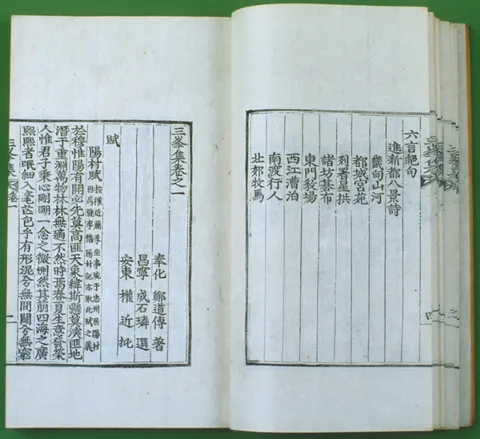
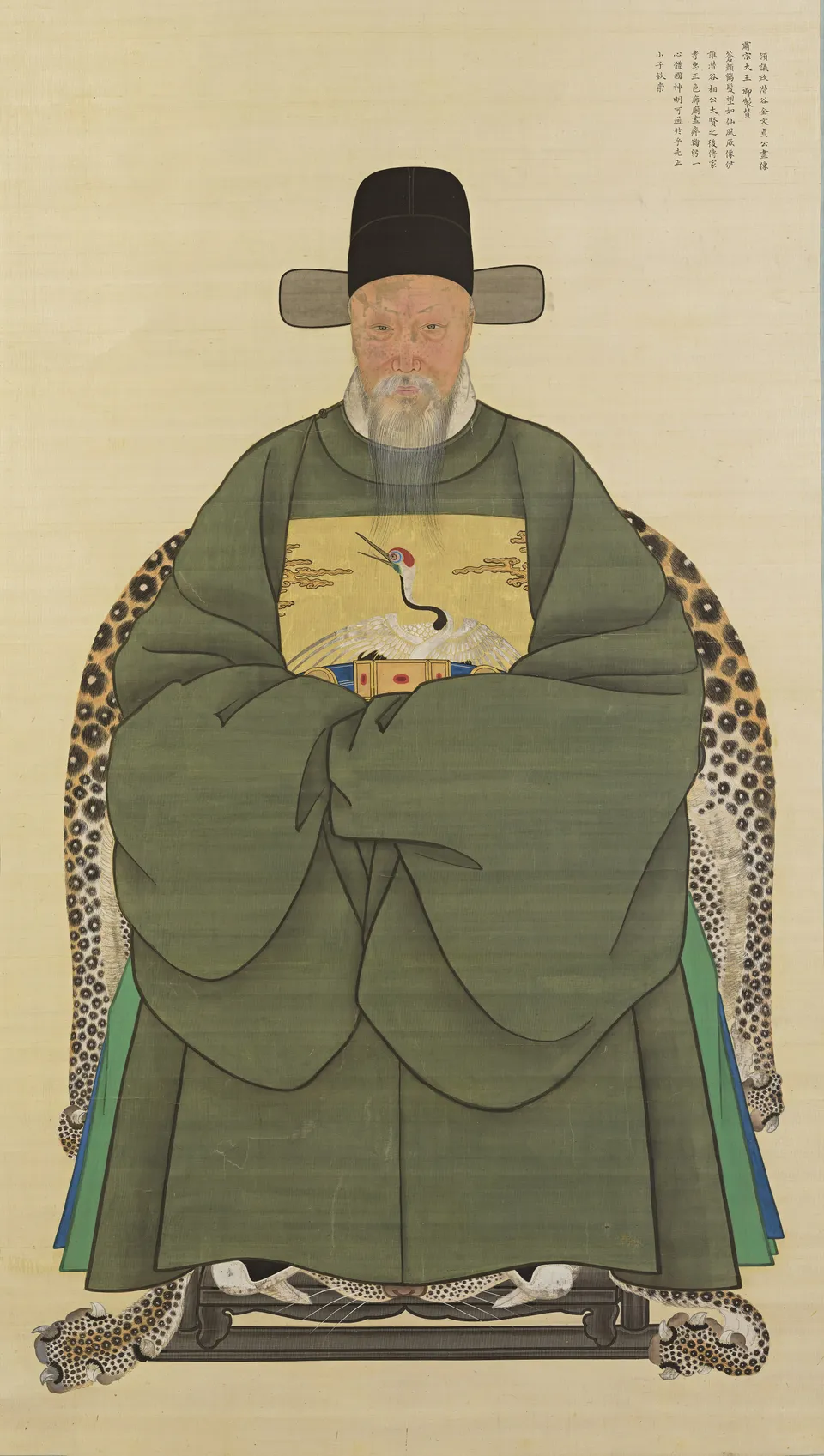
Neo-Confucian architect of the new dynasty who named the palace and capital gates; killed in the First Strife of Princes
Last king of Goryeo, placed on the throne by Yi Seong-gye’s faction; the Gwajeon Law was enacted in his reign

Fourth king of Joseon, creator of Hangul, patron of science and of the northern frontier
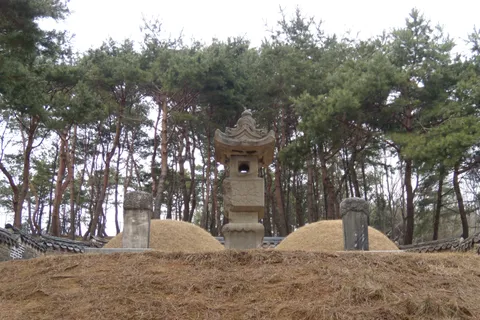
Fifteenth king of Joseon who began the Daedong law and balanced Ming and the Later Jin; deposed in 1623
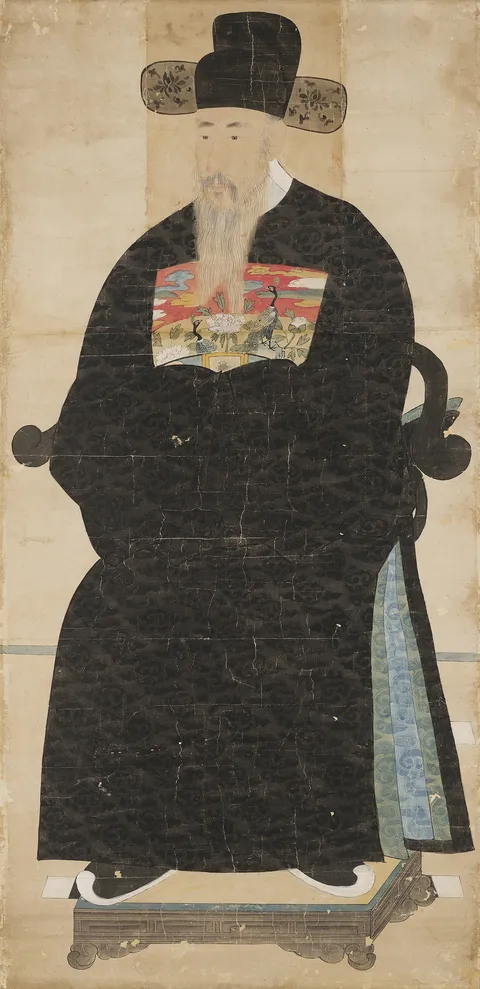
Chief State Councillor under Hyojong who extended the Uniform Land Tax Law and urged adoption of the Shixian calendar and minting of coins
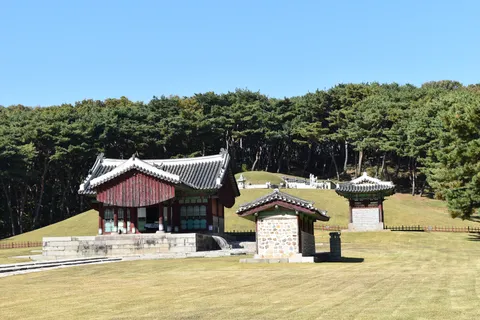
Sixteenth king of Joseon, enthroned by coup; endured two Manchu invasions and surrendered at Samjeondo