Jinju Uprising
Peasants in Jinju rose against extortion by the provincial army commander; that year uprisings spread to some 70 counties in the south.
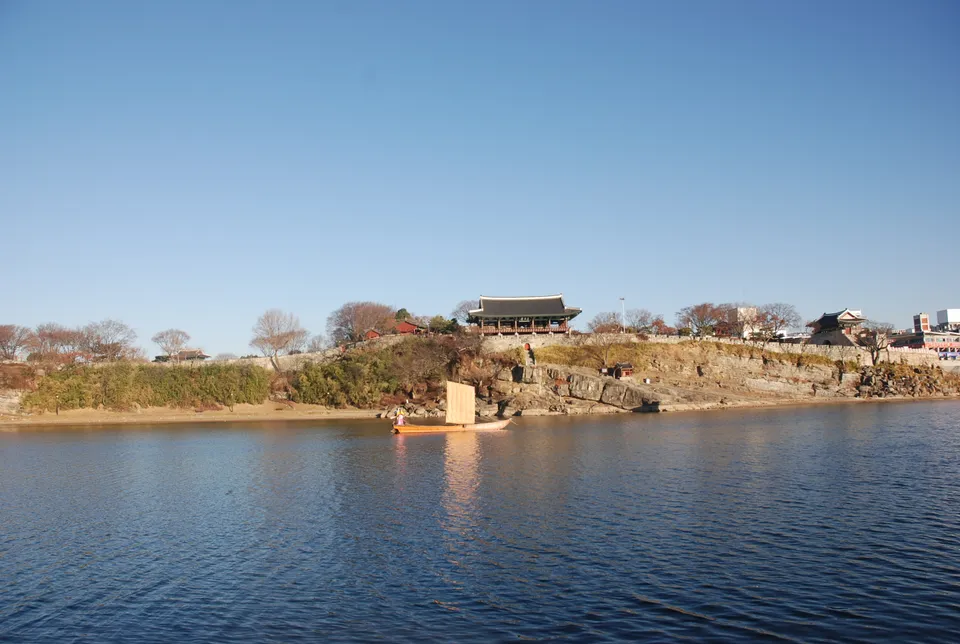
Under in-law clan rule the three revenue systems — land tax, military cloth and the grain loans (hwangok) — had broken down, and the grain loans in particular had become a form of usury. In Jinju the army commander Baek Nak-sin and the magistrate dumped the shortfalls of the grain loans and other taxes on the peasants in one lump sum.
Led by Yu Gye-chun, a yangban of fallen fortunes, peasants headed by woodcutters entered Jinju, killed clerks and burned government buildings. Risings spread across the three southern provinces of Gyeongsang, Jeolla and Chungcheong and as far as Hamgyeong and Jeju.
The government sent Park Gyu-su to investigate. He reported that the root cause was the breakdown of the three revenue systems, and an office to reform them was set up but soon abolished, leaving the problems unsolved. The peasants’ growing awareness carried on into the Donghak Peasant Revolution.