Local historyAD 685 – 19235 events
Jinju
Centre of western Gyeongsang — site of the sieges of Jinju, the 1862 peasant uprising and the butchers’ equality movement
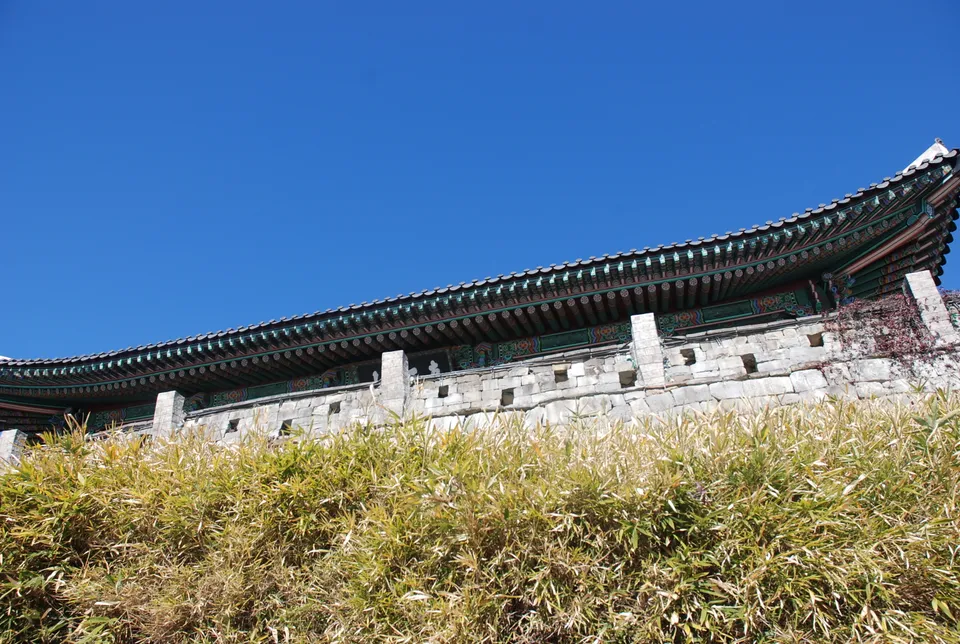
Centre of western Gyeongsang — site of the sieges of Jinju, the 1862 peasant uprising and the butchers’ equality movement
| Era | Event | Details |
|---|---|---|
| Unified Silla, Sinmun | Gangju, one of the nine provinces | Province on old Gaya land |
| Goryeo military rule | Jinju granted to Choe Chung-heon | Jingang (Heungnyeong) office set up |
| Joseon, Seonjo | Sieges of Jinju | Kim Si-min wins (1592); falls, Nongae (1593) |
| Joseon, Cheoljong | Jinju peasant uprising (1862) | Baek Nak-sin; Yu Gye-chun; tax reform office |
| Japanese rule | Hyeongpyeong movement | Hyeongpyeongsa; end to butcher caste bias |
King Sinmun divided the realm into nine provinces (ju) and set up five secondary capitals (sogyeong), completing the provincial system of unified Silla.
Choe Chung-heon killed Yi Ui-min and seized power, founding a Choe family regime that lasted four generations and some sixty years, with the Directorate of Decree Enforcement as its supreme organ.
Magistrate Kim Si-min held Jinju Fortress for six days with about 3,000 men against some 20,000 Japanese troops, but died of his wounds.
Peasants in Jinju rose against extortion by the provincial army commander; that year uprisings spread to some 70 counties in the south.
Butchers (baekjeong) founded the Joseon Hyeongpyeongsa in Jinju and campaigned to end caste discrimination and win equal treatment.
Munmu's son and 31st king of Silla, who crushed Kim Heum-dol's revolt and strengthened royal power through the National Academy, the nine provinces and office-land grants
General who seized power in 1196, founding the four-generation Choe military regime and its Directorate of Decree Enforcement
Son of Choe Chung-heon who set up the Jeongbang personnel office and moved the court to Ganghwa in 1232
Son of Choe U and third ruler of the Choe military regime, who kept up resistance to the Mongols from Ganghwa
Nineteenth king of Goryeo, enthroned by the generals; his reign saw military infighting and uprisings until Choe Chung-heon deposed him
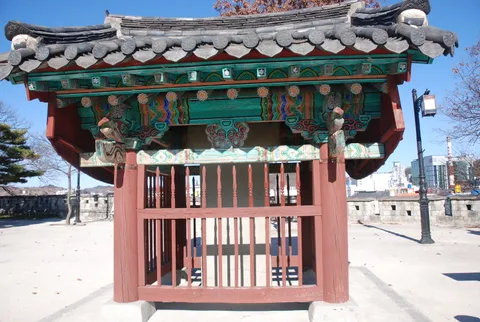
Magistrate of Jinju who held the fortress in 1592 but died of wounds from the siege
Twenty-fifth king of Joseon, raised on Ganghwa and placed on the throne by the Andong Kim clan; after the 1862 uprisings he set up an office to reform the three taxes