Second Manchu Invasion of Korea
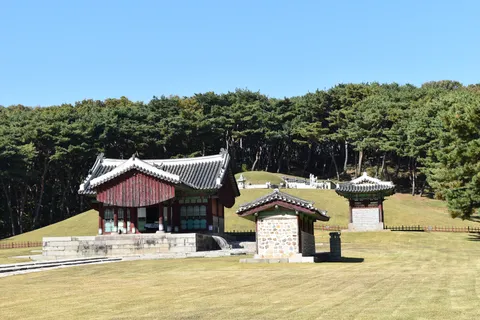
Qing invaded Joseon. King Injo held out at Namhansanseong before surrendering at Samjeondo.
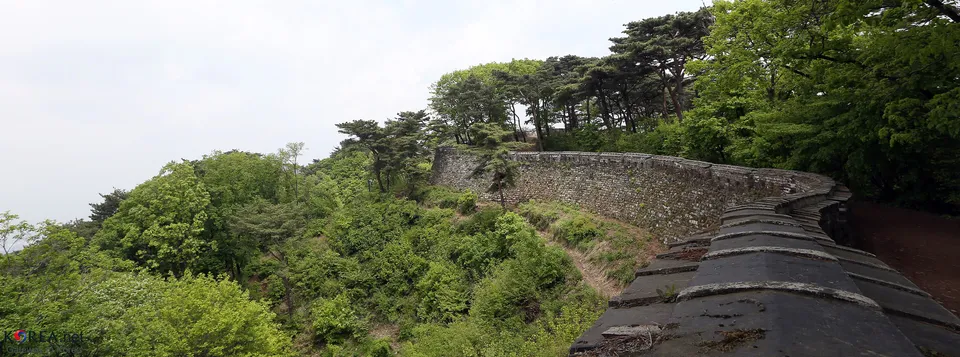
Republic of Korea · CC BY-SA 2.0 · Source
In 1636 the Later Jin renamed itself Qing and demanded that the brotherly relationship become one of lord and vassal. At court Choe Myeong-gil and others argued for peace and Kim Sang-heon and others for resistance; the war party prevailed and the demand was refused.
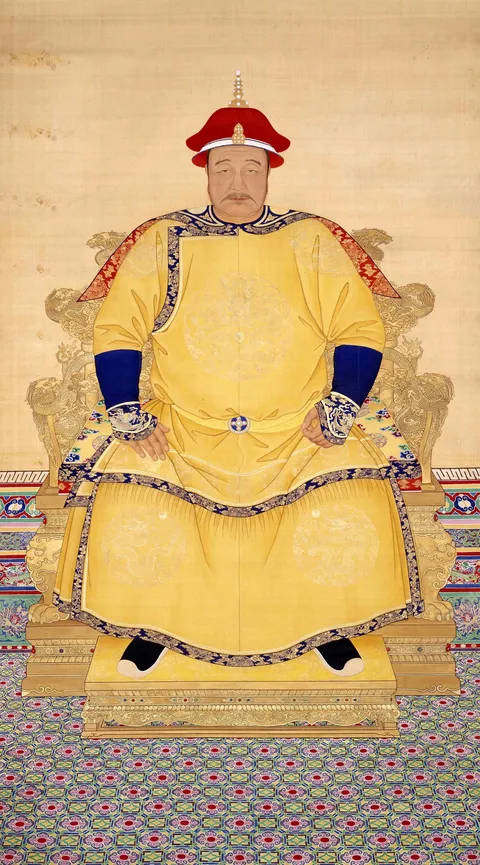
In the 12th month Hong Taiji himself led more than 100,000 troops across the Yalu, bypassing Im Gyeong-eop’s fortress at Baengmasan and driving straight for Hanyang. The royal family fled to Ganghwa, but with the road cut Injo entered Namhansanseong on the 14th day of the 12th month and held out for 47 days. When Ganghwa fell and relief armies were beaten, on the 30th day of the 1st month, 1637, he came out and surrendered at Samjeondo, performing three kneelings and nine prostrations before the Qing emperor.
Joseon became a Qing vassal and broke with the Ming. Crown Prince Sohyeon, Grand Prince Bongnim and the three scholars who had opposed peace (Hong Ik-han, Yun Jip, O Dal-je) were taken to Shenyang, along with huge numbers of captives. At Qing demand Joseon erected the Samjeondo stele praising the emperor. The humiliation later fed King Hyojong’s plans for a northern campaign.