Siege of Odawara and the Unification of Japan
Also called: Siege of Odawara, Odawara seibatsu
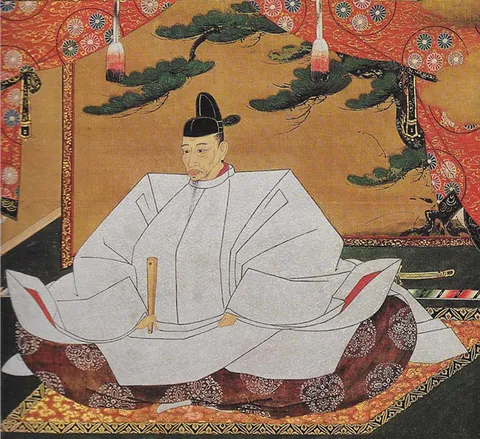
Toyotomi Hideyoshi surrounded the Hōjō stronghold of Odawara with an army said to exceed 200,000 and forced its surrender. The northern daimyo then submitted, and Japan was united under a single power for the first time in over 120 years since the Ōnin War.
After subduing the Shimazu of Kyushu in 1587, Hideyoshi demanded the submission of the Hōjō of the Kantō under his order banning private wars between daimyo (sōbuji). When the Hōjō seized Nagurumi Castle from the Sanada in 1589, he treated it as a breach of the order and in spring 1590 invaded with daimyo levies from across the country.
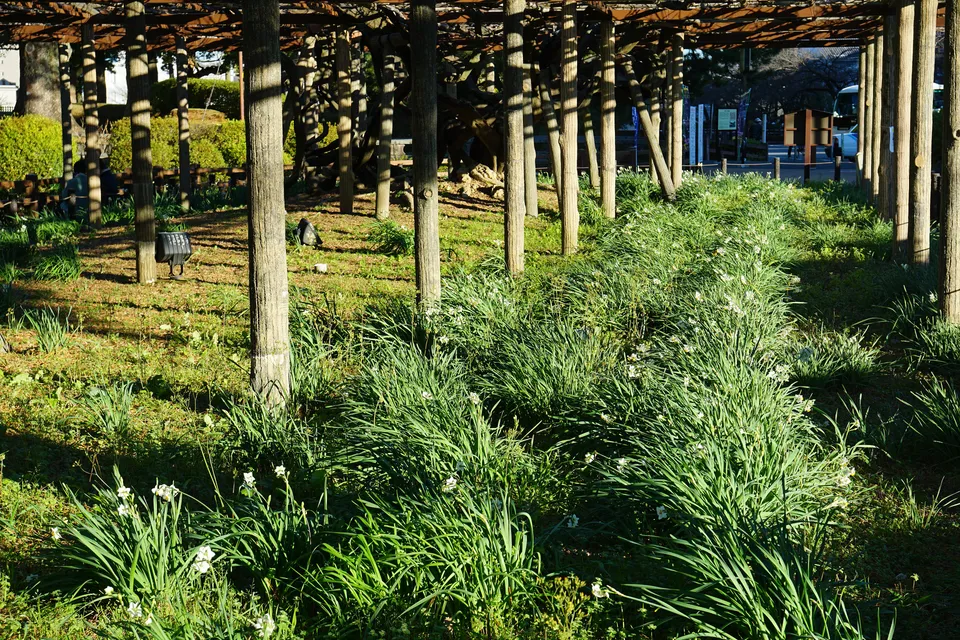
Odawara held out behind a long outer wall that enclosed the town, but Hideyoshi built a castle on nearby Mount Ishigaki and, during a siege of more than three months, took the Hōjō branch castles across the Kantō. Hōjō Ujinao surrendered on 4 August 1590 and Ujimasa, the real power, committed suicide. Date Masamune, late in coming to Odawara, also submitted, and with the redistribution of the northern domains (Ōshū shioki) Hideyoshi completed the unification. The former Hōjō lands went to Tokugawa Ieyasu, who entered Edo that year.