Local historyc. 700,000 years ago – 17287 events
Cheongju
From the Heungsu child of Durubong Cave to the Jikji — Silla’s secondary capital Seowon, where the oldest surviving metal-type book was printed
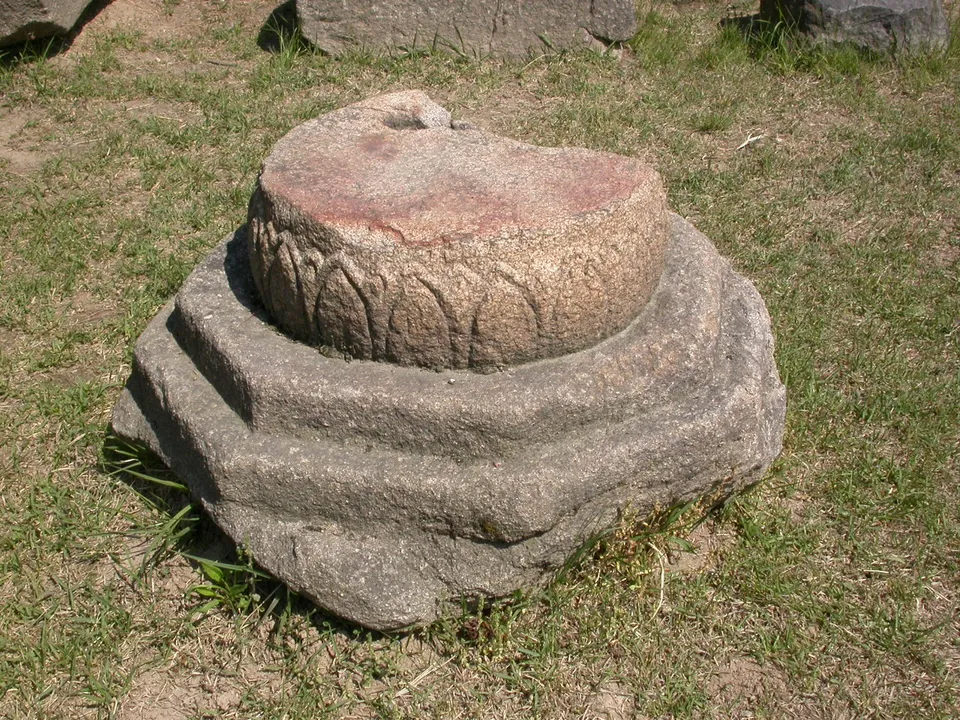
Lawinc82 · CC BY-SA 3.0 · Source
From the Heungsu child of Durubong Cave to the Jikji — Silla’s secondary capital Seowon, where the oldest surviving metal-type book was printed
Lawinc82 · CC BY-SA 3.0 · Source
| Period | Event | Key points |
|---|---|---|
| Paleolithic | Durubong Cave | Cheongwon; the “Heungsu child” skeleton |
| Unified Silla | Seowon-gyeong | One of King Sinmun’s five secondary capitals |
| Unified Silla | Village registers | Four villages near Seowon; every 3 years |
| Unified Silla | Kim Heon-chang’s revolt | Seowon and other centres join |
| Goryeo | Yongdusa iron flagpole | Gwangjong’s era name Junpung, 962 |
| Goryeo | Jikji | Metal type at Heungdeoksa, 1377; BnF, Paris |
| Late Joseon | Yi In-jwa’s revolt | Hard-line Soron take Cheongju, 1728 |
People lived on the Korean Peninsula from about 700,000 years ago, using chipped stone tools and moving about to hunt and gather.
King Sinmun divided the realm into nine provinces (ju) and set up five secondary capitals (sogyeong), completing the provincial system of unified Silla.
Registers of the people, land, livestock and trees of four villages near Seowon-gyeong (Cheongju), revised by village heads every three years.
Kim Heon-chang, governor of Ungcheon-ju, rebelled over his father Kim Ju-won’s lost claim to the throne and proclaimed a state named Jangan with the era name Gyeongun.
In 962, under King Gwangjong, an iron flagpole was raised before Yongdusa temple in Cheongju. Its inscription preserves Gwangjong’s own era name, Junpung.
The Jikji was printed with metal type at Heungdeoksa in Cheongju; it is the oldest extant book printed with movable metal type.
Hard-line Soron and some Southerners, claiming Yeongjo had a hand in Gyeongjong’s death, rose to deny his legitimacy; they seized Cheongju but were soon crushed (the Musin revolt).
Munmu's son and 31st king of Silla, who crushed Kim Heum-dol's revolt and strengthened royal power through the National Academy, the nine provinces and office-land grants
Son of Kim Ju-won who, citing his father's lost claim to the throne, rebelled at Ungcheon-ju and proclaimed a state called Jangan
Fourth king of Goryeo, who strengthened royal power with the Slave Review Act, the civil service examination and imperial titles
Leader of the 1728 rebellion of hard-line Soron and Southerners who denied Yeongjo’s legitimacy; he took Cheongju before being defeated
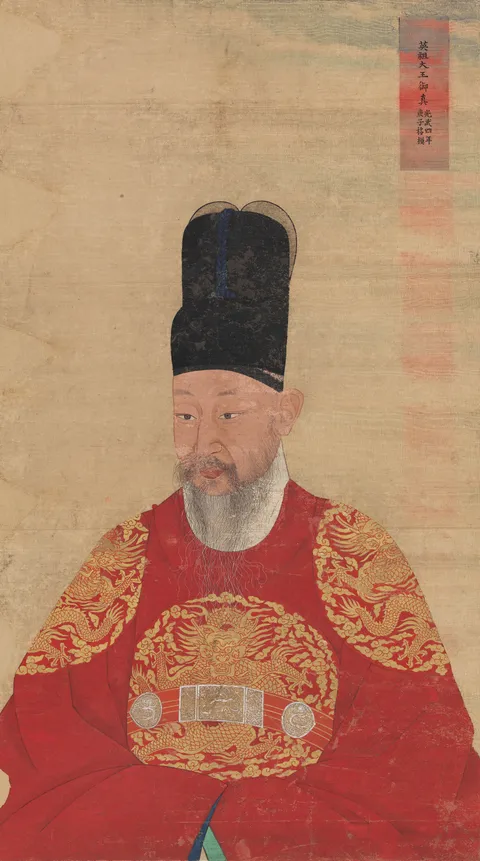
Twenty-first king of Joseon, known for his impartiality policy and tax reform, and for the death of his son
Twentieth king of Joseon, son of Sukjong and Royal Consort Jang, backed by the Soron; he died after four years and was succeeded by his half-brother Yeongjo