ConflictMarch 822(Lunar)

Rebellion of Kim Heon-chang

Kim Heon-chang, governor of Ungcheon-ju, rebelled over his father Kim Ju-won’s lost claim to the throne and proclaimed a state named Jangan with the era name Gyeongun.
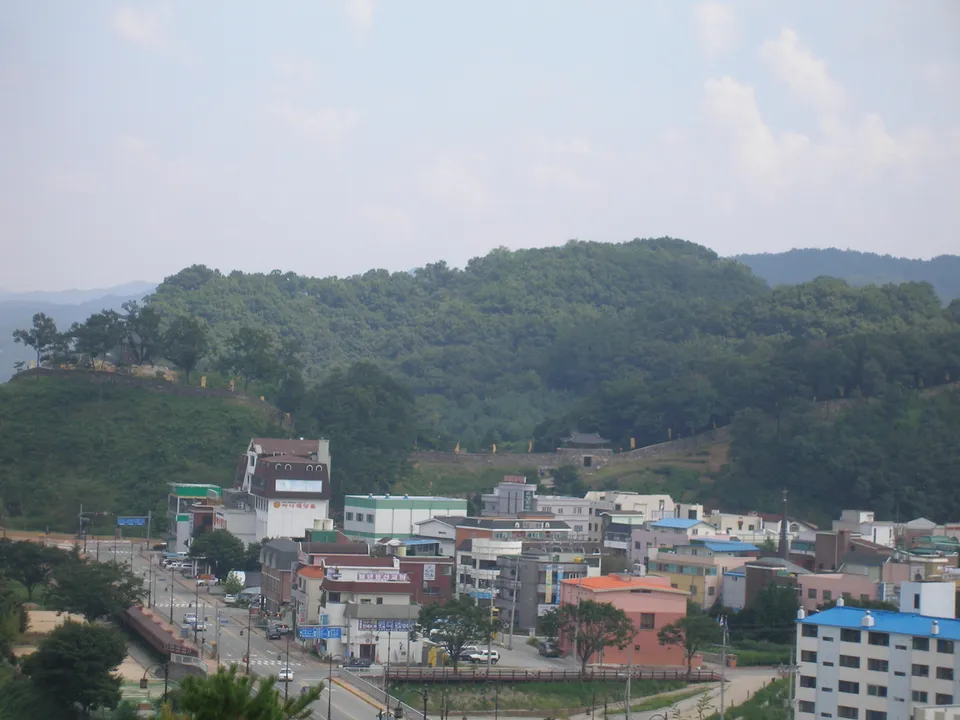
Gongsanseong in Gongju (old Ungjin), where Kim Heon-chang made his last stand

Ryuch · CC BY-SA 3.0 · Source

When King Seondeok died in 785, Kim Ju-won was chosen king but was pushed aside by Kim Gyeong-sin (Wonseong). In 822 Ju-won’s son Heon-chang rose at Ungcheon-ju (Gongju), and Mujin-ju, Wansan-ju, Cheong-ju, Sabeol-ju and three secondary capitals briefly joined him. When royal troops took his fortress he killed himself.

His son Kim Beom-mun rebelled again in 825. The revolt shows how the true-bone struggle for the throne spread to the provinces in late Silla.

The map in AD 822

OpenFreeMap © OpenMapTiles © OpenStreetMap contributors

States and rulers at the time
Silla — King Heondeok
Places
Ungjin (Gongsanseong)

People

  • Kim Heon-changAD 822

    leader · Son of Kim Ju-won who, citing his father's lost claim to the throne, rebelled at Ungcheon-ju and proclaimed a state called Jangan

  • King HeondeokAD 826

    monarch · 41st king of Silla, in whose reign Kim Heon-chang rebelled at Ungcheon-ju

Before and after

Themes that include this event

  • GongjuAD 475 – 1894

    From Ungjin, Baekje’s second capital, to Ugeumchi — the town on the Geum River that became the heart of Chungcheong

  • Cheongjuc. 700,000 years ago – 1728

    From the Heungsu child of Durubong Cave to the Jikji — Silla’s secondary capital Seowon, where the oldest surviving metal-type book was printed

  • GwangjuAD 685 – 1980

    Mujinju, where Gyeon Hwon first rose — city of the 1929 student independence movement and the May 18 Democratic Uprising