Local historyAD 475 – 18949 events
Gongju
From Ungjin, Baekje’s second capital, to Ugeumchi — the town on the Geum River that became the heart of Chungcheong
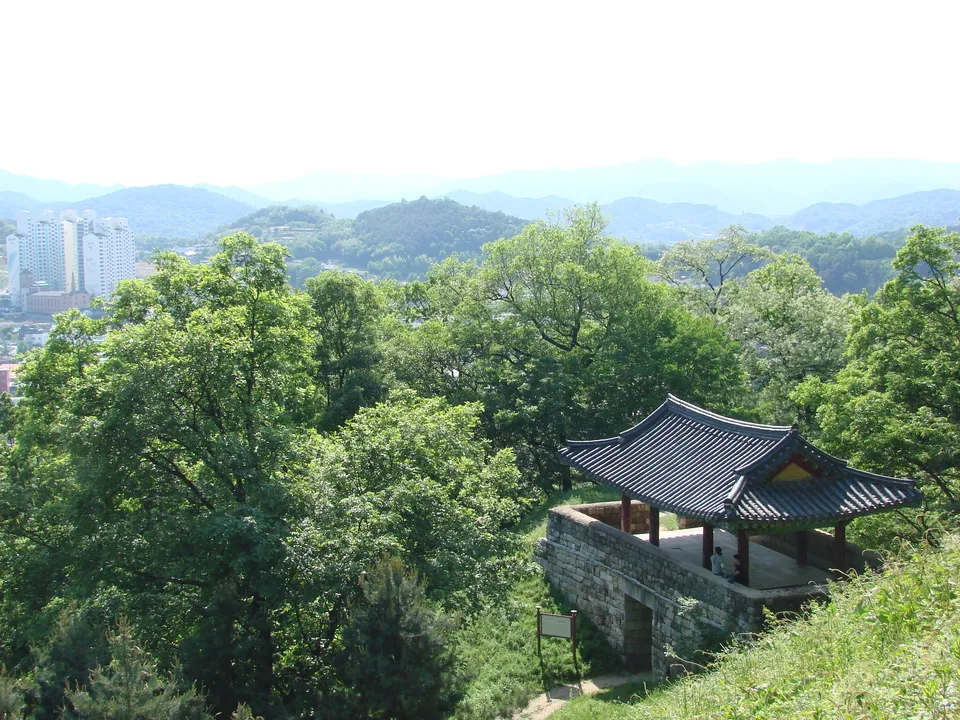
From Ungjin, Baekje’s second capital, to Ugeumchi — the town on the Geum River that became the heart of Chungcheong
| Period | Event | Key points |
|---|---|---|
| Baekje | Capital to Ungjin | King Munju after Hanseong fell, 475 |
| Baekje | Muryeong’s revival | Royal kin in 22 damno; ties with Liang |
| Baekje | Tomb of King Muryeong | Songsan-ri; brick tomb (S. Dynasties); epitaph |
| Baekje | Uija surrenders | Fled to Ungjin, then surrendered; Tang commandery |
| Unified Silla | Kim Heon-chang’s revolt | Ungcheon-ju (Gongju); state of Jangan |
| Goryeo | Mangi–Mangsoi revolt | Myeonghak-so; against so status → county |
| Joseon | Yi Gwal’s revolt | Hanyang taken; Injo flees to Gongju |
| Opening era | Founder-vindication rallies | Gongju and Samnye, 1892 |
| Opening era | Battle of Ugeumchi | Second Donghak rising crushed |
King Jangsu took the Baekje capital Hanseong with 30,000 troops and killed King Gaero; Baekje moved its capital to Ungjin (Gongju).
King Muryeong sent royal kin to govern the 22 damno districts and traded with the Liang dynasty, restoring Baekje’s strength.
King Muryeong, who died in 523, was buried in a brick tomb at Songsan-ri, Gongju, in 525; it was found intact in 1971.
Allied Silla and Tang forces took the capital Sabi, and King Uija surrendered, ending Baekje.
Kim Heon-chang, governor of Ungcheon-ju, rebelled over his father Kim Ju-won’s lost claim to the throne and proclaimed a state named Jangan with the era name Gyeongun.
Mangi and Mangsoi of Myeonghak-so in Gongju rose up against the discrimination and exactions suffered by "so" districts; the government tried to placate them by upgrading the district to a county.
Yi Gwal, a general of the Injo Restoration aggrieved at his reward, rebelled in Pyeongan Province and occupied Hanyang; King Injo fled to Gongju.
Donghak followers held rallies at Gongju and Samnye, petitioned at the palace gate and gathered at Boeun to clear the name of their executed founder Choe Je-u and win recognition for Donghak. At Boeun they raised the banner "Repel the Japanese and Westerners, raise righteousness".
Risen again to drive out Japan, the combined Southern and Northern Donghak armies were crushed by government and Japanese troops at Ugeumchi near Gongju; Jeon Bong-jun was captured at Sunchang.
Twenty-fifth king of Baekje, who sent royal kin to the 22 damno districts and revived the kingdom
Second leader of Donghak who organized its scriptures and, in the second uprising of 1894, joined the Northern Assembly to the Southern
Third leader of Donghak and founder of Cheondogyo; head of the 33 national representatives of 1919
Twentieth king of Goguryeo, who moved the capital to Pyongyang and took the Han River basin
Last king of Baekje, who took Daeya Fortress from Silla but surrendered to the Silla–Tang allies
Silla general of Geumgwan Gaya royal descent who defeated Gyebaek and led the unification wars
Twenty-ninth king of Silla, who forged the Tang alliance, became the first jingol king and conquered Baekje
Son of Kim Ju-won who, citing his father's lost claim to the throne, rebelled at Ungcheon-ju and proclaimed a state called Jangan
Resident of Myeonghak-so in Gongju who rose up with his brother Mangsoi in 1176