World history1904 – 202625 events
FIFA World Cup
From the founding of FIFA to the 48-team tournament in North America — the football championship that has gathered the world every four years since Uruguay 1930
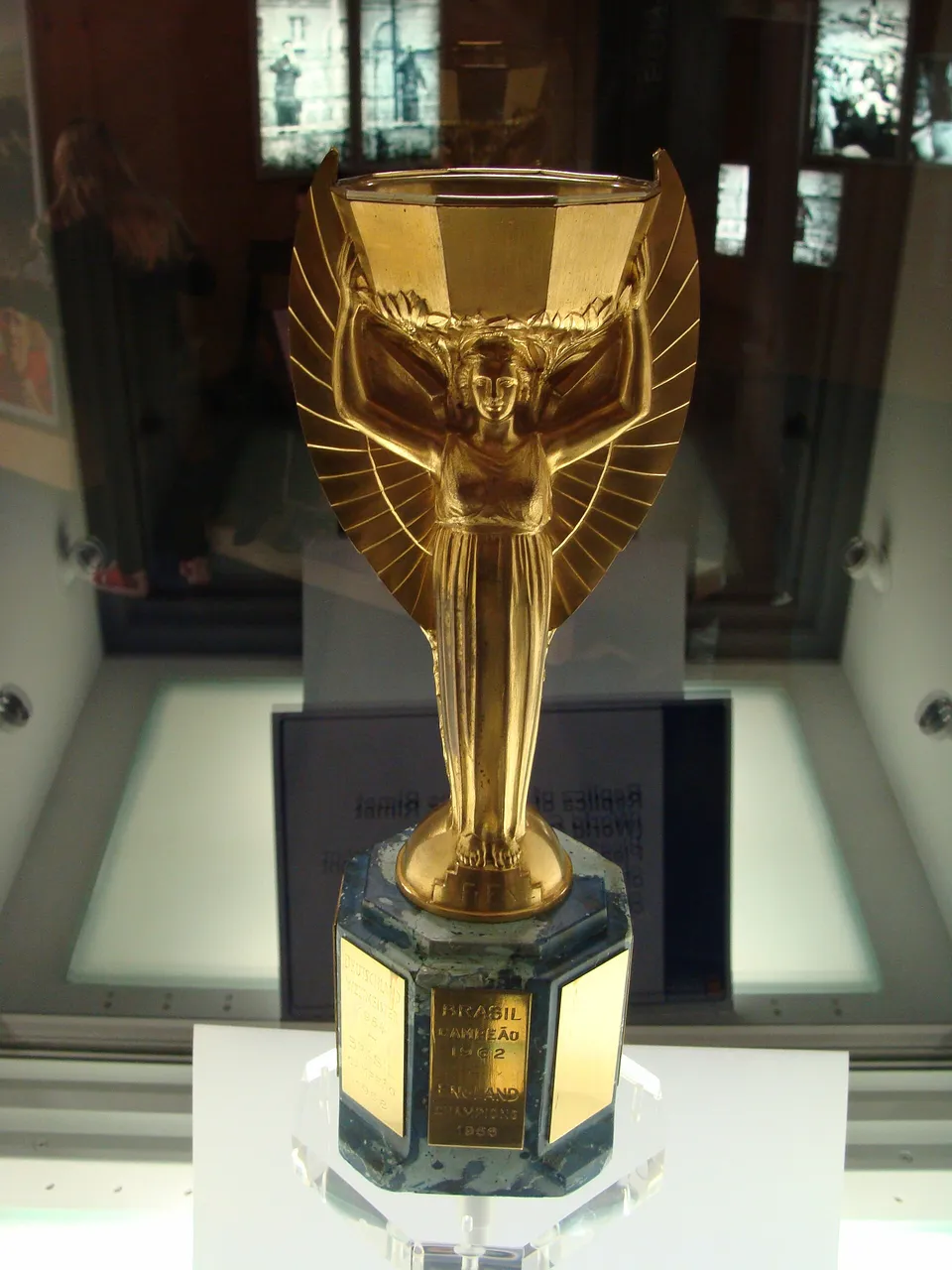
Abel Lafleur · Public domain · Source
From the founding of FIFA to the 48-team tournament in North America — the football championship that has gathered the world every four years since Uruguay 1930
Abel Lafleur · Public domain · Source
| Tournament | Host | Winner (final) | Notes |
|---|---|---|---|
| 1930 | Uruguay | Uruguay (4–2 Argentina) | First tournament, 13 teams |
| 1934 | Italy | Italy (2–1 Czechoslovakia) | Mussolini’s showcase, first qualifiers |
| 1950 | Brazil | Uruguay (final round) | The Maracanazo |
| 1954 | Switzerland | West Germany (3–2 Hungary) | Miracle of Bern; South Korea’s debut |
| 1966 | England | England (4–2 West Germany) | North Korea in the quarter-finals |
| 1970 | Mexico | Brazil (4–1 Italy) | First live colour broadcast; Pelé’s third title |
| 1978 | Argentina | Argentina (3–1 Netherlands) | Staged under the military junta |
| 1986 | Mexico | Argentina (3–2 West Germany) | Maradona’s “Hand of God” |
| 1990 | Italy | West Germany (1–0 Argentina) | West Germany’s last tournament |
| 2002 | South Korea · Japan | Brazil (2–0 Germany) | First in Asia and first co-hosted; Korea in the semi-finals |
| 2010 | South Africa | Spain (1–0 Netherlands) | First in Africa |
| 2022 | Qatar | Argentina (3–3, 4–2 pens v France) | First in the Middle East and in winter |
| 2026 | USA · Canada · Mexico | Spain (1–0 Argentina) | First with 48 teams and three hosts |
Football associations from France, Belgium, Denmark, the Netherlands, Spain, Sweden and Switzerland met in Paris to found the Fédération Internationale de Football Association. In 1928 its congress resolved to hold a world tournament open to professionals — the World Cup.
The first World Cup was held in Montevideo. Thirteen nations took part, and in the final the hosts Uruguay beat Argentina 4–2.
The second World Cup was staged by Mussolini’s Fascist regime. Italy beat Czechoslovakia 2–1 after extra time in the final.
The third World Cup was played in a Europe on the brink of war. Italy beat Hungary 4–2 to become the first team to retain the title. The next two tournaments were cancelled because of the war.
The first World Cup in twelve years. Needing only a draw in the last match of the final round, Brazil lost 1–2 to Uruguay before some 200,000 people at the Maracanã — the “Maracanazo”.
West Germany beat the seemingly invincible Hungarians 3–2 in the final — the “Miracle of Bern”. South Korea made its first appearance, losing 0–9 to Hungary and 0–7 to Turkey.
A seventeen-year-old Pelé burst onto the scene as Brazil beat the hosts Sweden 5–2 in the final for their first title.
Staged by an earthquake-stricken Chile. With Pelé injured, Garrincha carried Brazil to a 3–1 win over Czechoslovakia and a second straight title.
England, the home of football, beat West Germany 4–2 after extra time for their first title. North Korea, in its first finals, beat Italy and reached the quarter-finals.
Just after El Salvador and Honduras met in qualifying for the 1970 World Cup, tensions over migrants exploded into a four-day war between the two countries.
The first World Cup broadcast live around the world in colour. Pelé’s Brazil beat Italy 4–1 in the final for a third title and kept the Jules Rimet Cup for good.
The first tournament for the new FIFA World Cup Trophy. Beckenbauer’s West Germany beat Johan Cruyff’s Netherlands 2–1.
Staged by Argentina under military rule. Amid accusations that the junta used it as a distraction, Argentina beat the Netherlands 3–1 after extra time for their first title.
The first finals with 24 teams. Italy, with six goals from Paolo Rossi, beat West Germany 3–1 in the final.
Maradona’s World Cup. Four years after the Falklands War he scored the “Hand of God” goal and the “Goal of the Century” against England in the quarter-final, and Argentina beat West Germany 3–2 in the final. South Korea returned to the finals after 32 years.
West Germany beat Argentina 1–0 in the final for their third title. Germany reunified three months later, making this West Germany’s last World Cup.
Held in football’s backwater, the United States, it drew the highest average crowds in World Cup history. The final was decided on penalties for the first time, Brazil beating Italy for a fourth title.
The finals expanded to 32 teams. The hosts France, with two goals from Zidane, beat Brazil 3–0 in the final for their first title.
The first World Cup in Asia, co-hosted by Korea and Japan. The Korean team reached the semi-finals amid mass street cheering.
The first World Cup hosted by reunified Germany. Zidane was sent off for a head-butt in the final, and Italy beat France on penalties for a fourth title.
The first World Cup in Africa, hosted by a South Africa once banished from world football over apartheid. Spain won for the first time, and South Korea reached the knockout stage away from home for the first time.
The World Cup returned to Brazil after 64 years. The hosts lost 1–7 to Germany in the semi-final, and Germany beat Argentina 1–0 after extra time in the final.
The video assistant referee (VAR) was used for the first time. France beat Croatia 4–2 in the final for a second title, and South Korea beat the holders Germany 2–0 in Kazan.
The first World Cup in the Middle East and the Arab world, and the first played in November–December to avoid the heat. Argentina drew 3–3 with France in the final and won on penalties, crowning Messi a world champion.
Co-hosted by the United States, Canada and Mexico, the first finals with 48 teams. Spain beat Argentina 1–0 after extra time in the final for their second title.
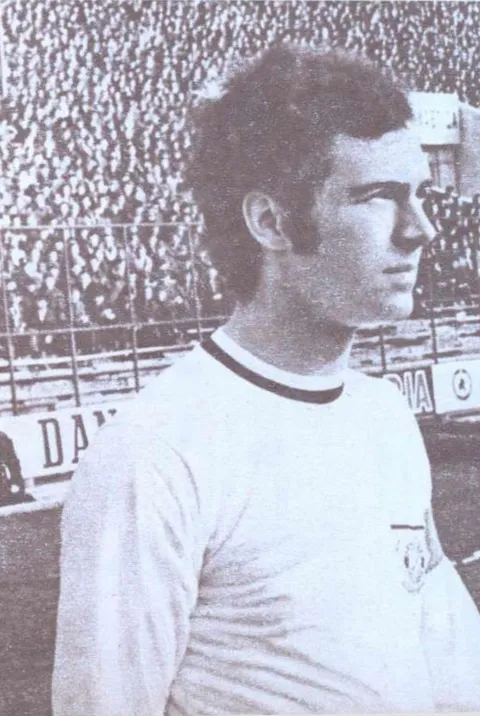
West German footballer and coach who won the World Cup as captain in 1974 and as coach in 1990, and chaired the organizing committee of the 2006 World Cup; nicknamed “Der Kaiser”
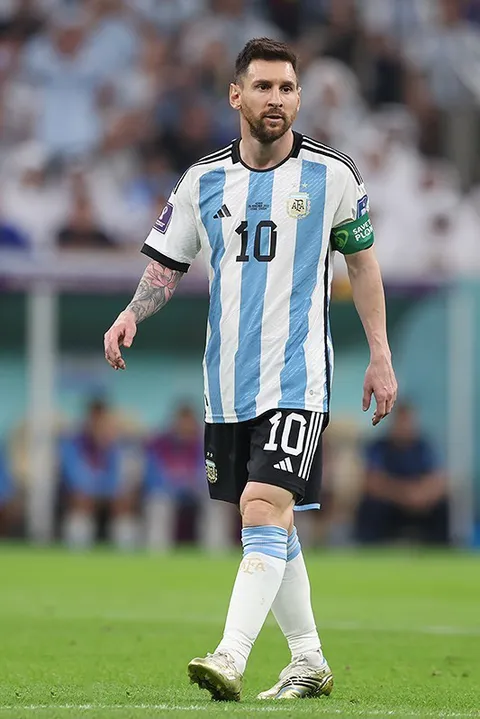
Argentine footballer who captained Argentina to the 2022 World Cup in Qatar and won the Golden Ball for a second time; he holds the record for World Cup appearances
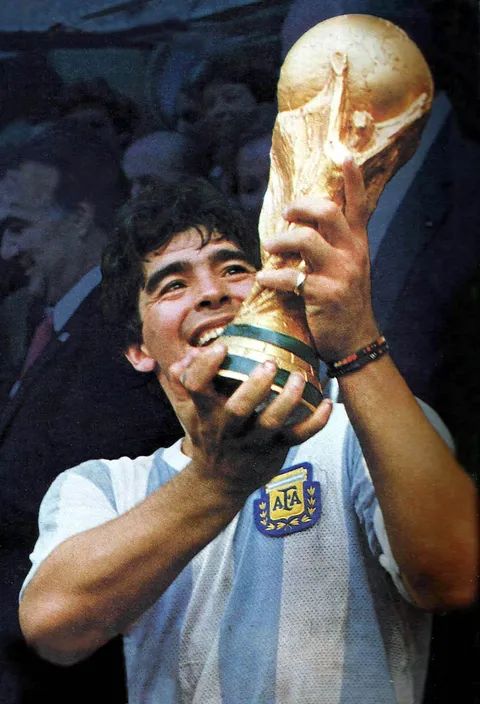
Argentine footballer who captained his country to the 1986 World Cup in Mexico, scoring both the “Hand of God” goal and the “Goal of the Century” against England in the quarter-final
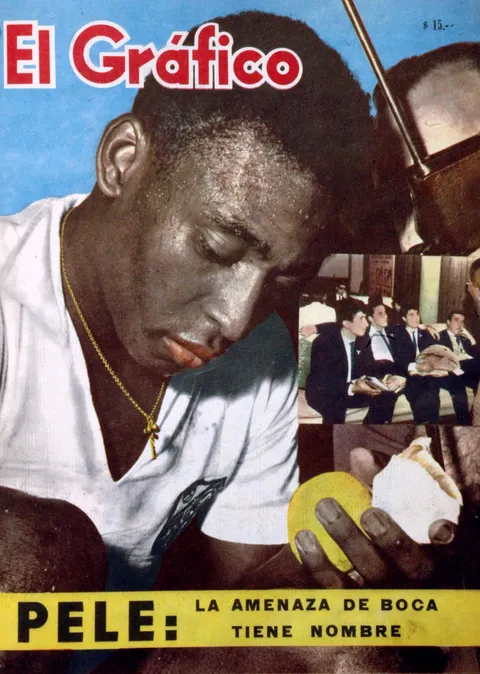
Brazilian footballer who won the World Cup in 1958, 1962 and 1970, the only player to win it three times
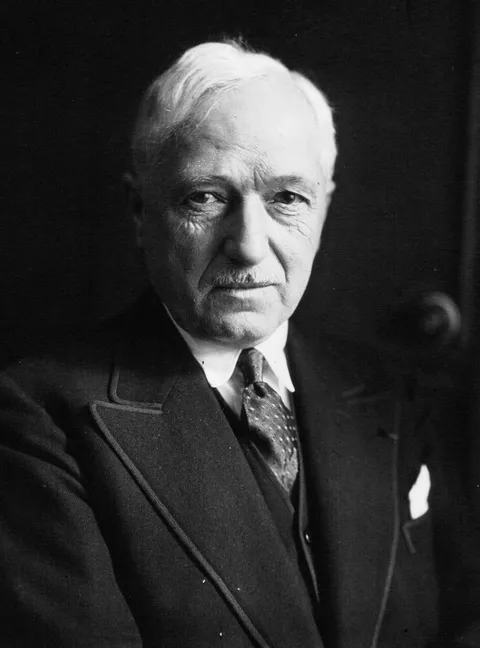
French football administrator who, as president of FIFA (1921–1954), created the World Cup; the first trophy was named after him
Founder of Italian Fascism who became prime minister (1922–1943) after the March on Rome; dictator who invaded Ethiopia and allied with Hitler
First President of the Provisional Government, who worked through diplomacy in the US; later first President of the Republic of Korea