Football War
Also called: Soccer War, Hundred Hours’ War, La guerra del fútbol
Just after El Salvador and Honduras met in qualifying for the 1970 World Cup, tensions over migrants exploded into a four-day war between the two countries.
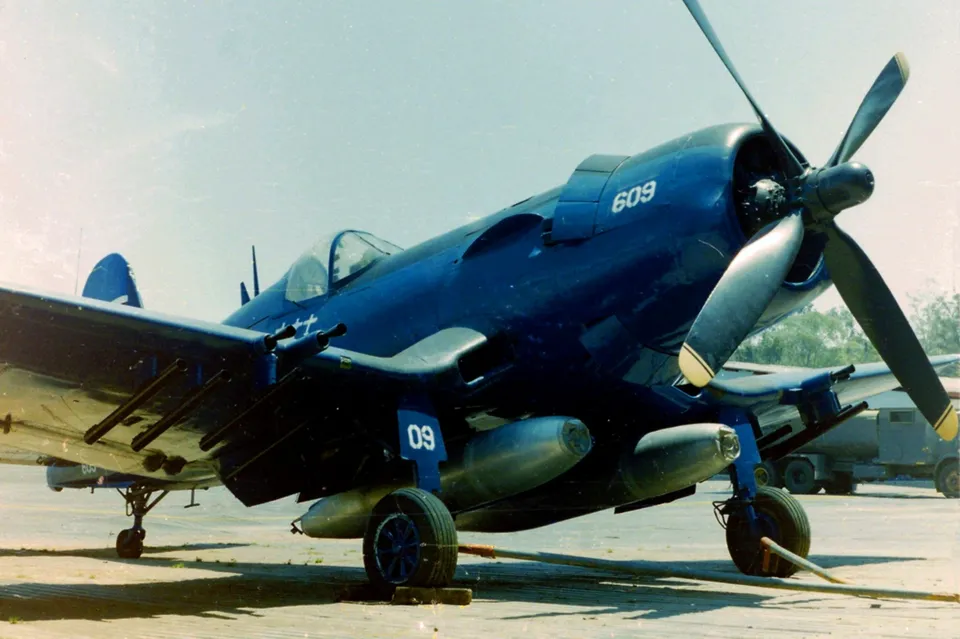
User:Bernardo Moncada · CC BY-SA 3.0 · Source
Nearly 300,000 migrants from crowded, land-poor El Salvador lived in Honduras. In 1969 the Honduran government’s land reform stripped many of them of their land and drove them out, and relations soured badly. That June the two countries met in the North and Central American qualifiers for the World Cup. The games in Tegucigalpa (Honduras won 1–0) and San Salvador (El Salvador won 3–0) saw clashes between home crowds and visiting fans, and on 27 June El Salvador won the play-off in Mexico City 3–2 after extra time. Around then El Salvador broke off diplomatic relations.
On 14 July the Salvadoran army crossed into Honduras and the two air forces bombed each other. A ceasefire brokered by the Organization of American States took hold on 18 July, and Salvadoran troops withdrew in early August; because it lasted barely four days it is also called the “Hundred Hours’ War”. Some two to three thousand people are estimated to have died, and many Salvadoran migrants were expelled. Football was the trigger, land and migration the cause. El Salvador played in its first World Cup in 1970; the two countries signed a peace treaty only in 1980.