Local historyAD 685 – 18947 events
Jeonju
From Wansanju, capital of Later Baekje, to the ancestral seat of the Joseon royal house — where the Annals were saved and the Donghak army took the fortress
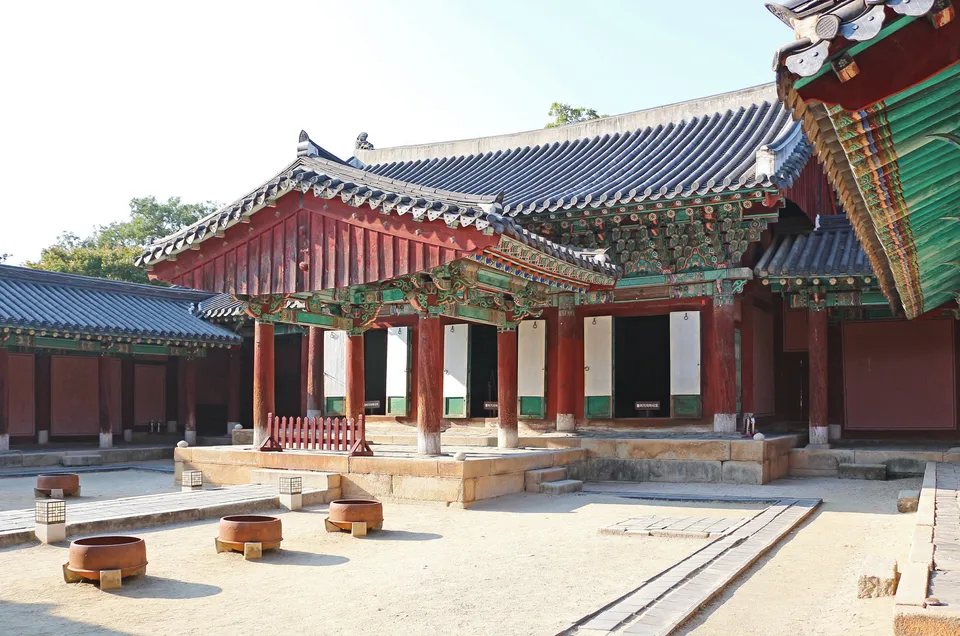
From Wansanju, capital of Later Baekje, to the ancestral seat of the Joseon royal house — where the Annals were saved and the Donghak army took the fortress
| Era | Event | Details |
|---|---|---|
| Unified Silla, Sinmun | Jeonju (Wansanju), a province | Province on old Baekje land |
| Later Three Kingdoms | Gyeon Hwon founds Later Baekje | Capital Wansanju; ties with Wuyue, Later Tang |
| Later Three Kingdoms | Sin-geom’s coup | Gyeon Hwon confined at Geumsansa; defects |
| Joseon, Taejong | Gyeonggijeon | Portrait of Taejo; royal ancestral seat |
| Joseon | Jeonju archive | Only copy of the Annals to survive 1592 |
| Joseon, Seonjo | Jeong Yeo-rip treason case | Daedonggye; Gichuk purge |
| Opening era | Jeonju taken; Jeonju truce | Jipgangso; reform of abuses |
King Sinmun divided the realm into nine provinces (ju) and set up five secondary capitals (sogyeong), completing the provincial system of unified Silla.
Gyeon Hwon, a Silla soldier who had seized Mujin-ju (Gwangju), made Wansan-ju (Jeonju) his capital in 900 and founded Later Baekje.
Deposed by his eldest son Singeom and confined at Geumsansa, Gyeon Hwon escaped and went over to Goryeo.
King Taejong built a hall in Jeonju, ancestral seat of the royal house, to enshrine the portrait of Taejo Yi Seong-gye; Sejong named it Gyeonggijeon.
Under King Taejong the Annals of King Taejo were compiled, beginning the practice of compiling each king’s annals after his death. They cover 472 years, from Taejo to Cheoljong, in chronological form.
Accused of plotting rebellion, the Easterner Jeong Yeo-rip took his own life, and the purge led by the Westerner Jeong Cheol struck down some thousand Easterners.
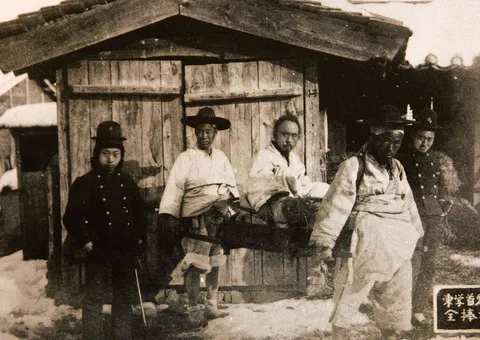
When the peasants took Jeonju, the government called in Qing troops and Japan sent its own. In return for reform and the withdrawal of both armies, the peasants made peace with the government and withdrew.
Silla soldier from Gaeun in Sangju who founded Later Baekje at Wansan-ju in 900; deposed by his son Singeom, he defected to Goryeo
Munmu's son and 31st king of Silla, who crushed Kim Heum-dol's revolt and strengthened royal power through the National Academy, the nine provinces and office-land grants
Gyeon Hwon's eldest son, who confined his father at Geumsansa and took the throne, but surrendered to Goryeo after the Battle of Illicheon in 936
Songak magnate who served Gung Ye, took Naju, overthrew Gung Ye to found Goryeo in 918 and reunified the Later Three Kingdoms in 935–936

Founder and first king of Joseon, formerly a general who fought Japanese pirates and the Red Turbans

Third king of Joseon, who seized power in the Strifes of Princes and strengthened royal authority
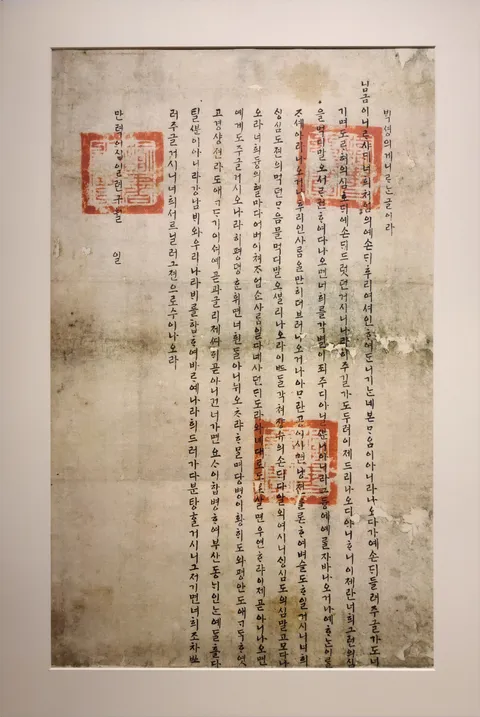
Easterner from Jeonju who formed the Daedonggye; accused of treason, he killed himself, setting off the purge of 1589
Master of gasa verse who wrote the Gwandong byeolgok and Samiingok; as a Westerner he ran the Jeong Yeo-rip treason inquiry