Politics900

Gyeon Hwon Founds Later Baekje

Gyeon Hwon, a Silla soldier who had seized Mujin-ju (Gwangju), made Wansan-ju (Jeonju) his capital in 900 and founded Later Baekje.
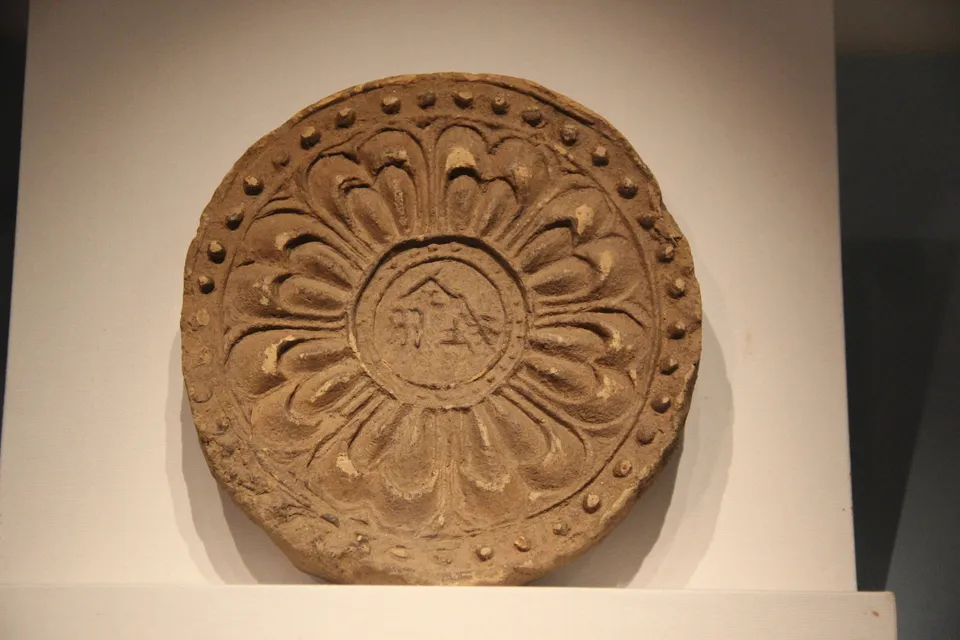
Lotus-pattern roof-end tile of Later Baekje, around 900, National Museum of Korea

Gary Todd · CC0 · Source

Born at Gaeun in Sangju, Gyeon Hwon served guarding the southwest coast before seizing Mujin-ju in 892. Moving to Wansan-ju in 900, he claimed Baekje’s legacy, vowing to avenge King Uija. Holding the rich lands of Chungcheong and Jeolla, Later Baekje was militarily and economically strong and exchanged envoys with Wuyue, Later Tang, the Khitan and Japan.

But its hostility to Silla, heavy taxes and failure to win over the magnates cost it popular support.

The map in AD 900

OpenFreeMap © OpenMapTiles © OpenStreetMap contributors

States and rulers at the time
Later Baekje · founded — Gyeon Hwon
Silla — King Hyogong
Places
Wansan-ju (Jeonju)

People

  • Gyeon HwonAD 867 – AD 936

    leader · Silla soldier from Gaeun in Sangju who founded Later Baekje at Wansan-ju in 900; deposed by his son Singeom, he defected to Goryeo

Before and after

Themes that include this event

  • JeonjuAD 685 – 1894

    From Wansanju, capital of Later Baekje, to the ancestral seat of the Joseon royal house — where the Annals were saved and the Donghak army took the fortress

  • GwangjuAD 685 – 1980

    Mujinju, where Gyeon Hwon first rose — city of the 1929 student independence movement and the May 18 Democratic Uprising