Gyeonggijeon Shrine, Jeonju
Also called: Portrait of King Taejo
King Taejong built a hall in Jeonju, ancestral seat of the royal house, to enshrine the portrait of Taejo Yi Seong-gye; Sejong named it Gyeonggijeon.
Mobius6 · CC BY-SA 4.0 · Source
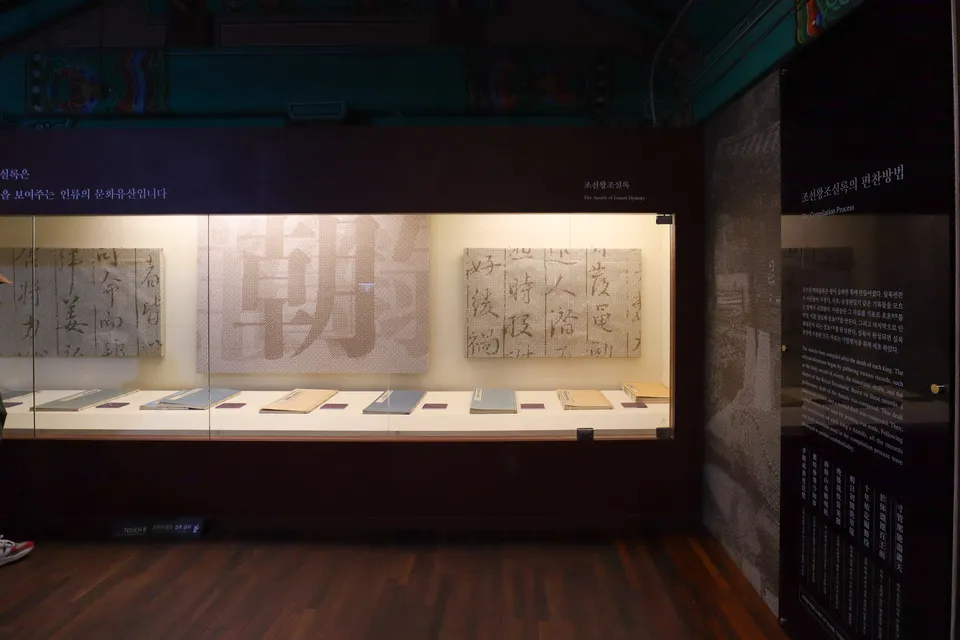
Jeonju was the ancestral home of the Joseon royal house, where Yi Seong-gye’s forebears had lived. In 1410 Taejong set up halls for Taejo’s portrait in Jeonju, Gyeongju and Pyongyang, and in 1442 Sejong named the Jeonju hall Gyeonggijeon. The Jeonju archive for the Annals was also kept within its grounds.
In the Imjin War the Annals in every other archive were burned, but the scholars An Ui and Son Hong-nok carried the Jeonju copy and Taejo’s portrait to Naejangsan and saved them. Gyeonggijeon burned in the second Japanese invasion and was rebuilt in 1614. The present portrait of Taejo (a National Treasure) was redrawn in 1872 from the worn original.
