Cultural heritageAD 633 – 186114 events
Science and Technology Heritage
From Cheomseongdae to the Daedong yeojido — instruments and maps that measured the sky, kept time, gauged rain and charted the land
Salamander724 · Public domain · Source
From Cheomseongdae to the Daedong yeojido — instruments and maps that measured the sky, kept time, gauged rain and charted the land
Salamander724 · Public domain · Source
| Heritage | Period | Kind | Features |
|---|---|---|---|
| Cheomseongdae | Silla, Queen Seondeok (c. 633) | Observatory | Oldest observatory in East Asia; 27 courses of stone |
| Office of Gunpowder Weapons | Goryeo, 1377 | Gunpowder, cannon | Choe Mu-seon; 18 firearms incl. juhwa; Jinpo |
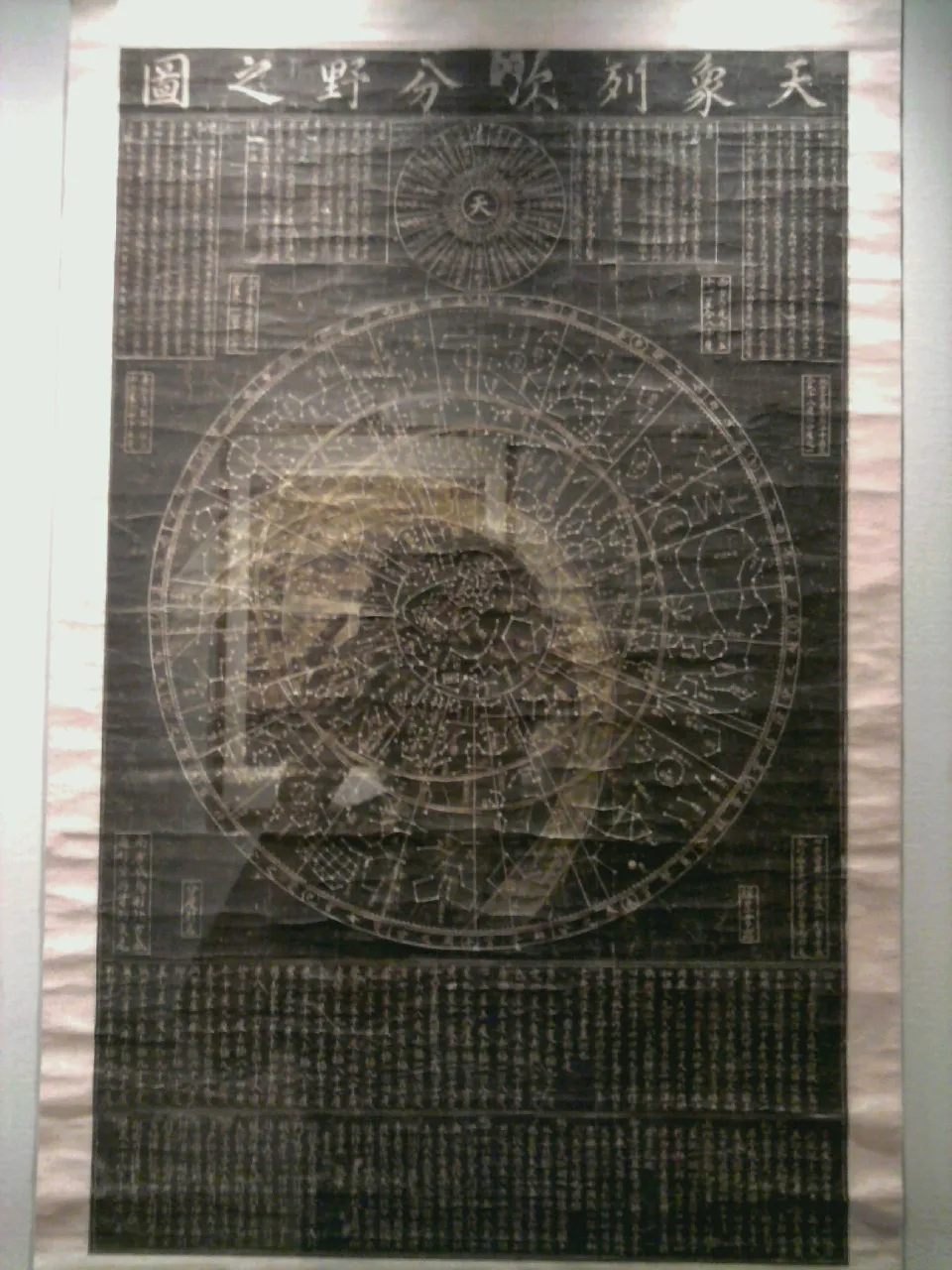
| Cheonsang yeolcha bunyajido | Taejo, 1395 | Star chart in stone | Based on a Goguryeo rubbing; 1,467 stars |
| Gangnido | Taejong, 1402 | World map | Among the oldest East Asian world maps; to Africa, Europe |
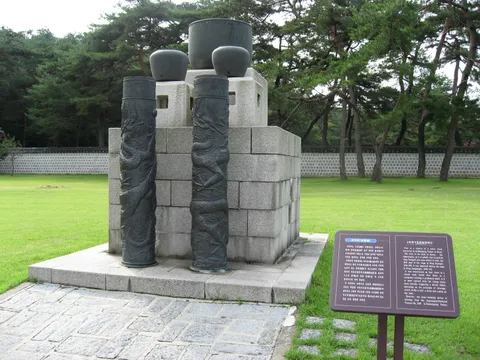
| Ganui · armillary sphere | Sejong, from 1432 | Astronomical instruments | Used on the Ganuidae; basis of Chiljeongsan |
| Jagyeongnu | Sejong, 1434 | Water clock | Jang Yeong-sil; puppets strike bell, drum, gong |
| Angbu ilgu | Sejong, 1434 | Sundial | Bowl-shaped; set up in the streets; hours and seasons |
| Rain gauge | Sejong, 1441 (nationwide 1442) | Rainfall | World’s first rain gauge; river gauge (supyo) |
| Chiljeongsan | Sejong, 1442 | Calendar | First calendar computed for Hanyang |
| Singijeon · hwacha | Sejong 1448 · Munjong 1451 | Gunpowder weapons | Rocket arrows; 100 fired at once from a cart |
| Armillary clock | Hyeonjong, 1669 | Astronomical clock | Song I-yeong; weights and gears; on the 10,000-won note |
| Dongguk jido | Yeongjo’s reign (mid-18th c.) | Map of Korea | Jeong Sang-gi; first to use a scale |
| Geojunggi (Hwaseong) | Jeongjo, 1794 – 1796 | Building crane | Jeong Yak-yong, after Qiqi tushuo; drawn in the uigwe |
| Daedong yeojido | Cheoljong, 1861 | Map of Korea (woodblock) | Kim Jeong-ho; 22 folding sections; dot every 10 ri |
In the reign of Queen Seondeok, the stone observatory Cheomseongdae was built in Gyeongju.
At Choe Mu-seon’s urging, Goryeo set up an office to make gunpowder and firearms, producing eighteen kinds of weapons, including the daejanggun cannon, for use against the pirates.
Under King Taejo, a star chart based on a rubbing of a Goguryeo astronomical map was corrected and carved in stone as the Cheonsang yeolcha bunyajido.
Kim Sa-hyeong, Yi Mu and Yi Hoe combined Yuan maps with maps of Joseon and Japan to make the world map Honil gangni yeokdae gukdo jido.
King Sejong built the observation platform Ganuidae at Gyeongbokgung and had the simplified armillary (ganui) and armillary sphere (honcheonui) made.
Jang Yeong-sil built the Jagyeongnu, a water clock that struck bells, drums and gongs on its own; it kept the official time at Gyeongbokgung.
The angbu ilgu, a sundial shaped like a cauldron facing the sky, was set up by the roads of Hanyang so ordinary people could tell the time.
Joseon made the cheugugi rain gauge and installed it in the capital and every county to record rainfall systematically.
Yi Sun-ji, Kim Dam and others completed the Chiljeongsan, a calendar computing the motions of the sun, moon and five planets for the meridian of Hanyang.
King Munjong had the hwacha built — a cart that launched rocket arrows (singijeon) or guns all at once.
An astronomical clock made under King Hyeonjong by Song I-yeong, driving an armillary sphere with weights and gears.
A map of Korea by Jeong Sang-gi, the first to use a scale — the "hundred-ri ruler".
Jeongjo built a new fortress at Suwon, where he had moved his father’s tomb. Jeong Yak-yong helped design it and introduced a crane; the work was recorded in a detailed royal protocol.
Kim Jeong-ho published a woodblock map of the whole country in 22 folding sections; laid out together they form a map nearly seven metres tall.

Fourth king of Joseon, creator of Hangul, patron of science and of the northern frontier
Scientist of humble birth who built the self-striking water clock for Sejong and helped make astronomical instruments
Inventor who learned to make gunpowder, built cannon at the Hwatong Dogam and burned the pirate fleet at Jinpo
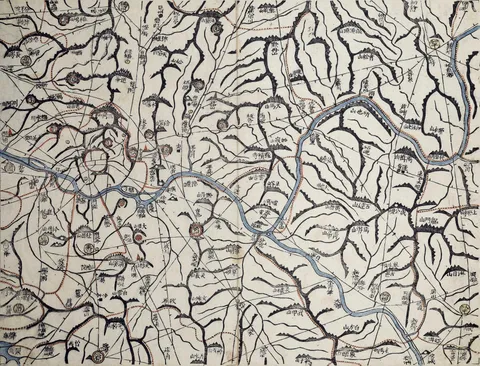
Geographer who published the woodblock map Daedong yeojido
Twenty-seventh ruler and Silla's first queen, under whom Cheomseongdae and the nine-storey pagoda of Hwangnyongsa were built
Thirty-second king of Goryeo, who ordered the Liaodong expedition and was deposed after the Wihwado retreat

Founder and first king of Joseon, formerly a general who fought Japanese pirates and the Red Turbans

Third king of Joseon, who seized power in the Strifes of Princes and strengthened royal authority
Jiphyeonjeon scholar who wrote the preface to the Hunminjeongeum haerye and led the compilation of the Goryeosa
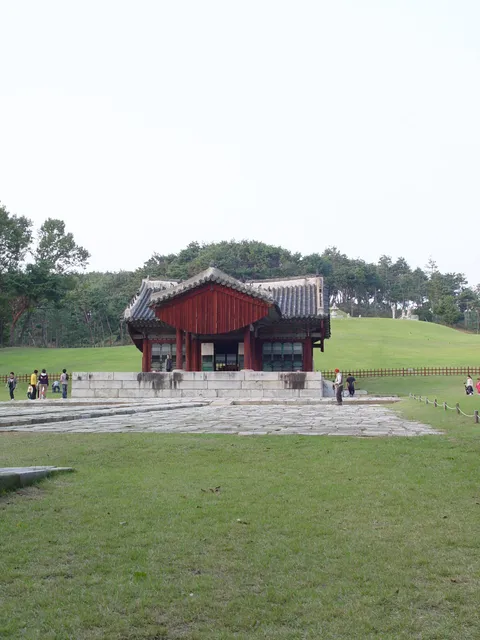
Twenty-second king of Joseon, founder of the Gyujanggak library and builder of Hwaseong Fortress
Silhak scholar who helped design Hwaseong; exiled to Gangjin, where he wrote the Mongmin simseo