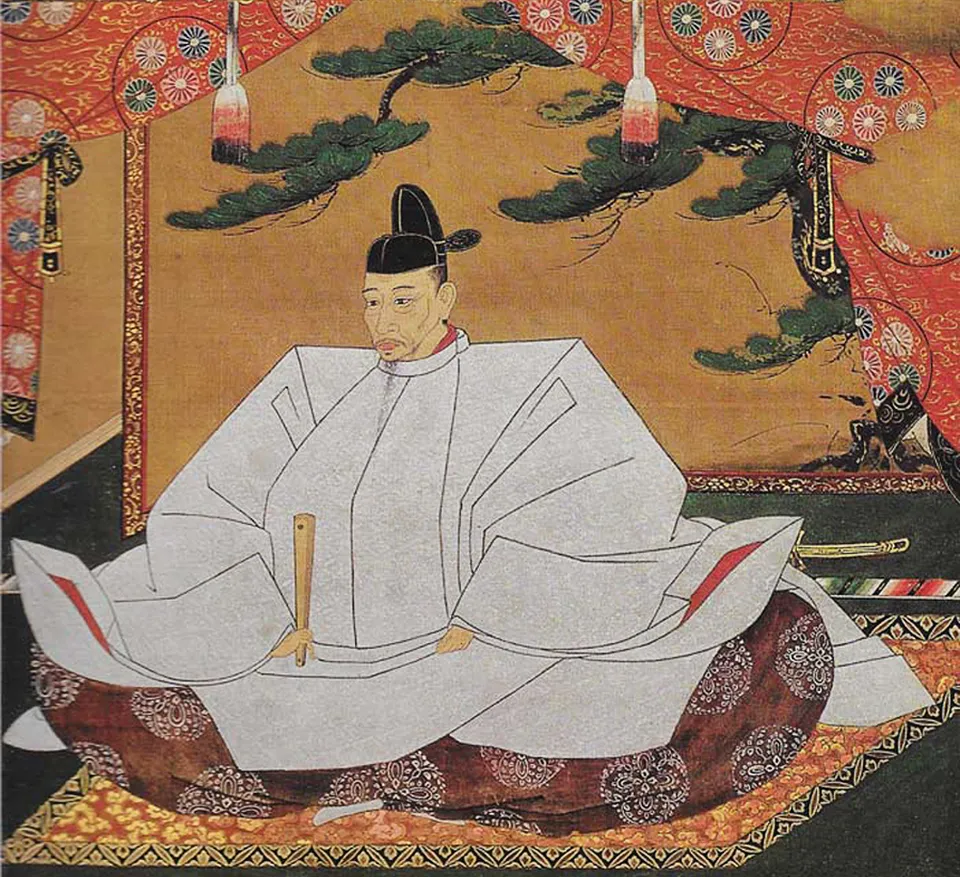
Kanō Mitsunobu · Public domain · Source
Person1537 – 1598
Toyotomi Hideyoshi
Unified Japan and launched the invasion of Korea
Kanō Mitsunobu · Public domain · Source
Unified Japan and launched the invasion of Korea
Oda Nobunaga ended the Muromachi shogunate in 1573 and opened the way to unification with his musketeers; his successor Toyotomi Hideyoshi ended the Warring States era and unified Japan in 1590.
A seven-year war that began with Japan's invasion of Joseon in 1592 and lasted until 1598. Ming China sent troops, turning it into an East Asian international war.
Shen Weijing of Ming and Konishi Yukinaga of Japan spent over three years arranging a peace that hid each side’s terms from the other; it collapsed in 1596, and Japan invaded again the next year (the Jeongyu War).
On Hideyoshi’s orders to avenge the defeat of 1592, over 90,000 Japanese surrounded Jinju. It fell after nine days, and some 60,000 soldiers and townspeople inside were killed.
When peace talks collapsed, Toyotomi Hideyoshi sent his armies again. The fighting lasted until his death the following year.
Toyotomi Hideyoshi died at Fushimi Castle in August 1598. Keeping his death secret, Japan ordered its army home from Korea, and the battle of Noryang was fought on the way out.
Dramatized works (films, dramas, novels) may differ from the historical record.
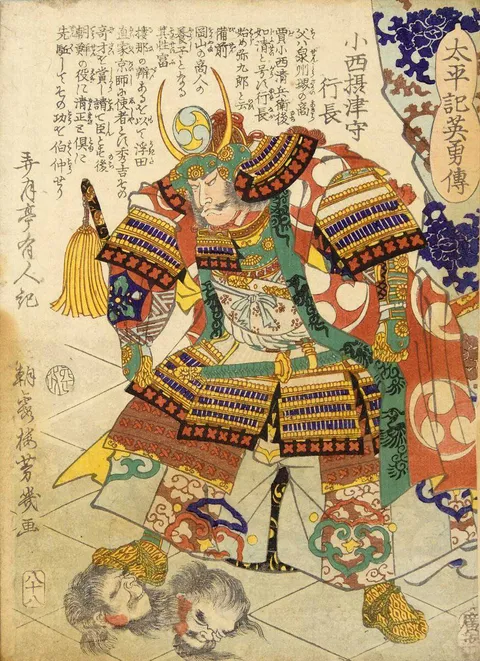
Sengoku-era daimyo who ended the Muromachi shogunate in 1573 and won at Nagashino with massed musketeers, opening the way to unification before his death in the Honnōji Incident
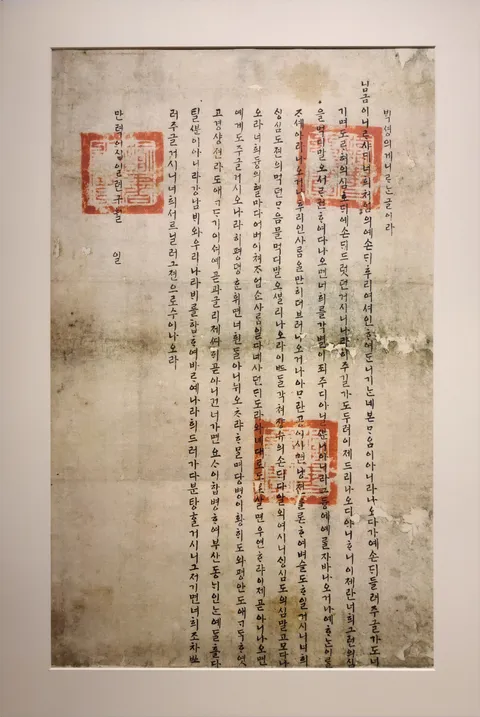
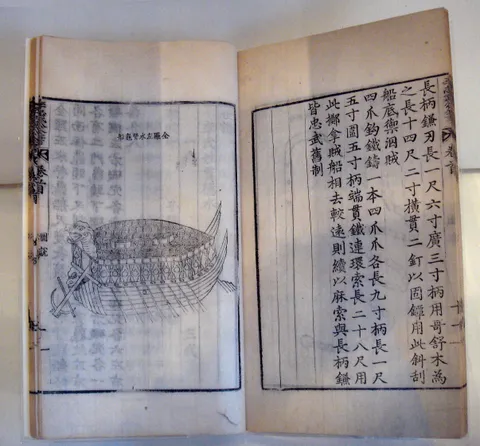
Chief State Councillor who directed the war effort during the Imjin War, proposed the Hullyeon Dogam, and wrote the Jingbirok
General who made a back-to-the-river stand at Tangeumdae, Chungju, early in the Imjin War and died when routed by Konishi Yukinaga
Buddhist master who, as supreme commander of monks, raised monk soldiers across the country in the Imjin War and joined the recapture of Pyongyang
Hyujeong's disciple who led monk soldiers in the Imjin War and after the war went to Japan to negotiate and bring captives home
From the Japanese invasion to the Battle of Noryang — the righteous armies, Yi Sun-sin at sea, and Ming intervention
The age when the Ming, shaken by northern raiders, southern pirates and the silver economy, fell to Li Zicheng’s rebels, and the Manchu Qing reached its greatest extent and prosperity under Kangxi, Yongzheng and Qianlong — as Japan was unified out of the Warring States into the Edo shogunate’s bakuhan order and closed country, and Joseon, after two great wars, met its neighbours through embassies to Edo and the Northern Learning
Three centuries in which the Ottomans of Suleiman I, the Mughals of Akbar and the Safavids of Abbas I flourished and then faltered, while across the Atlantic the slave trade and colonies transformed the Americas, leading to American independence
From Luther’s Ninety-five Theses to Catherine the Great — the wars of religion of a divided Christendom ended at Westphalia, and absolute monarchs armed with divine right, standing armies, bureaucracies and mercantilism, followed by the enlightened despots of eastern Europe, contended for the balance of power among sovereign states