Gapsin Coup
Kim Ok-gyun and other radical reformers staged a coup at the banquet opening the new post office; Qing troops intervened and it collapsed in three days.
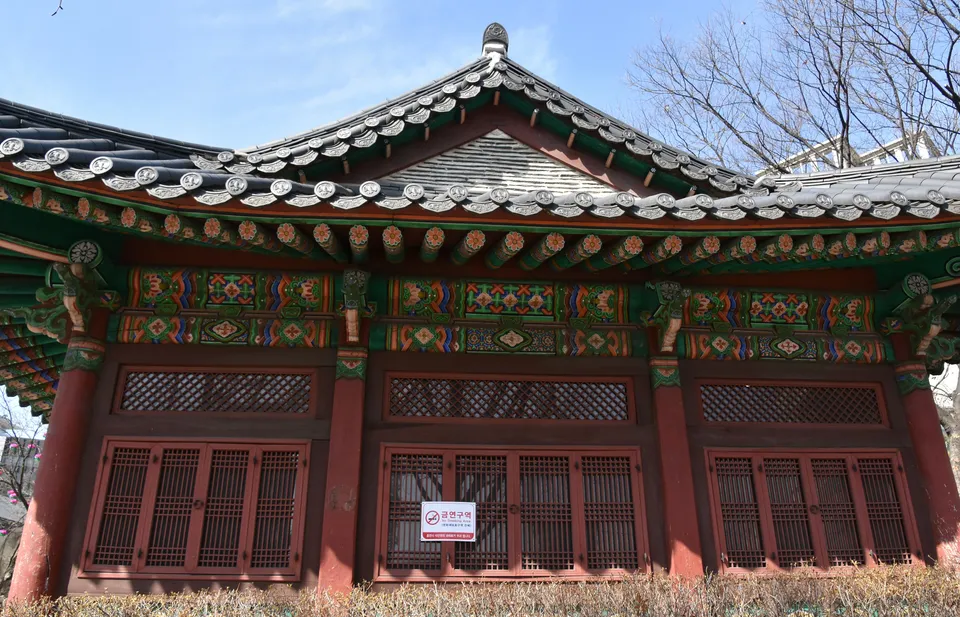
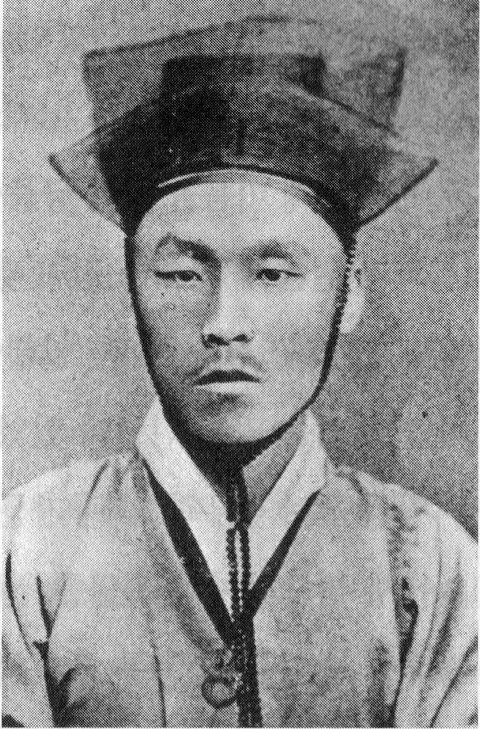
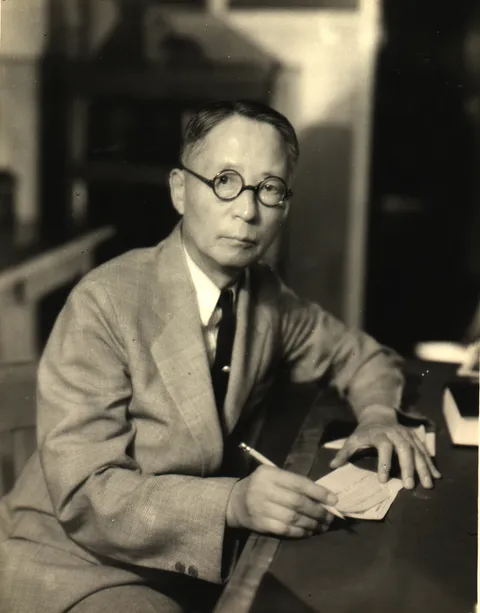
As Qing interference grew after 1882, reformers split between moderates (Kim Hong-jip, Kim Yun-sik, Eo Yun-jung), who favoured gradual change on the Chinese self-strengthening model, and radicals (Kim Ok-gyun, Park Yeong-hyo, Hong Yeong-sik, Seo Gwang-beom, Seo Jae-pil), who looked to Japan’s Meiji Restoration. When the Sino-French War drew half the Qing troops out of Seoul and the Japanese minister promised support, the radicals struck at the post office’s opening banquet.
They moved Gojong to Gyeongugung, killed ministers of the Min faction and formed a government with a 14-point programme: ending the empty ritual of tribute to Qing, abolishing privilege of birth to establish equal rights, reforming the land tax, putting all finances under the Ministry of Revenue, and abolishing the peddlers’ guild office. But Yuan Shikai’s Qing troops attacked Changdeokgung, the Japanese pulled out, and the “three-day government” fell. Hong Yeong-sik was killed and Kim Ok-gyun and others fled to Japan.
Joseon paid Japan an indemnity under the Treaty of Hanseong, and in the Convention of Tianjin (1885) Qing and Japan agreed to withdraw their troops and notify each other before sending any again. It was the first political attempt to build a modern state, but it relied on Japan and lacked popular support.