Local historyAD 689 – 19606 events
Daegu
Dalgubeol, where King Sinmun tried to move his capital — where the National Debt Repayment Movement and the 2·28 student protest began
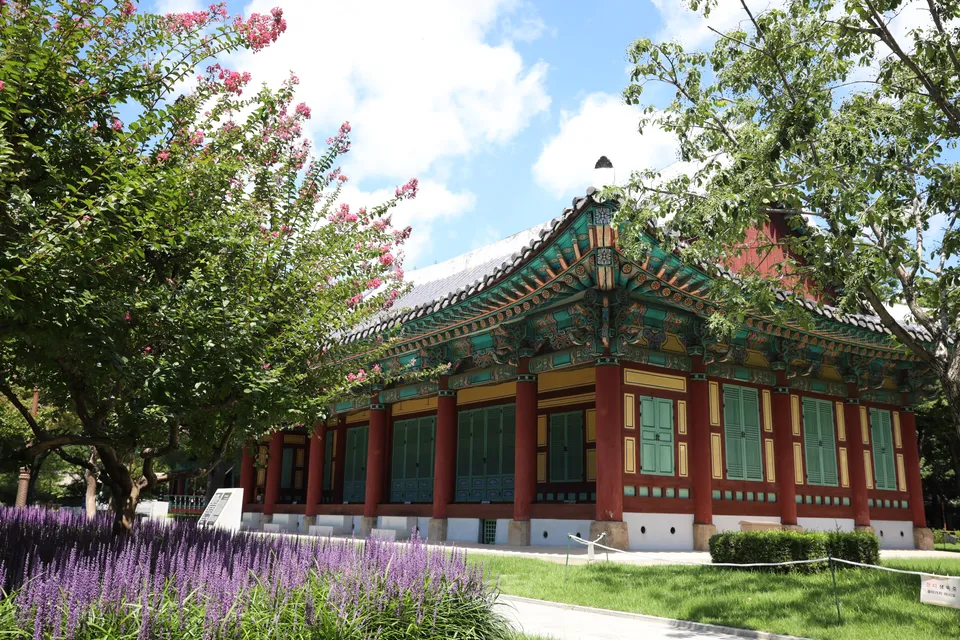
대구광역시 중구 · KOGL Type 1 · Source
Dalgubeol, where King Sinmun tried to move his capital — where the National Debt Repayment Movement and the 2·28 student protest began
대구광역시 중구 · KOGL Type 1 · Source
| Era | Event | Details |
|---|---|---|
| Unified Silla, Sinmun | Plan to move capital to Dalgubeol | Same year as nogeup abolished; failed |
| Later Three Kingdoms | Battle of Gongsan (Palgongsan) | Wang Geon defeated; Sin Sung-gyeom dies |
| Korean Empire | National Debt Repayment Movement | Seo Sang-don, Kim Gwang-je; backed by press |
| Japanese rule | Joseon Sovereignty Restoration Corps | Secret society sworn before Dangun |
| Japanese rule | Korea Restoration Association | Dalseong Park; Bak Sang-jin, Kim Jwa-jin |
| Contemporary | 2·28 Daegu student protest | Against Sunday classes; prelude to April 19 |
King Sinmun abolished the nogeup stipend villages of aristocratic officials and paid them an annual grain stipend instead.
After Gyeon Hwon sacked Gyeongju and drove King Gyeongae to his death, Wang Geon marched to Silla’s aid but was routed by Later Baekje at Dongsu on Mount Gongsan; Sin Sung-gyeom died in his place.
A campaign to pay off Korea’s 13 million won debt to Japan with money raised by the people began in Daegu and spread across the country.
Yun Sang-tae, Seo Sang-il and others founded the secret society in Daegu under the banner of Dangun, raising funds for the independence movement and joining the March First Movement.
Park Sang-jin organized the Korea Restoration Association in Daegu. Aiming at a republic, it raised war funds and executed pro-Japanese magnates.
Ahead of the 15 March presidential and vice-presidential election, high school students in Daegu protested against being ordered to school on a Sunday.
Munmu's son and 31st king of Silla, who crushed Kim Heum-dol's revolt and strengthened royal power through the National Academy, the nine provinces and office-land grants
Silla soldier from Gaeun in Sangju who founded Later Baekje at Wansan-ju in 900; deposed by his son Singeom, he defected to Goryeo
Songak magnate who served Gung Ye, took Naju, overthrew Gung Ye to found Goryeo in 918 and reunified the Later Three Kingdoms in 935–936
Goryeo founding general who wore Wang Geon's armour at the Battle of Gongsan and died so that his king could escape
55th king of Silla, forced to kill himself when Gyeon Hwon stormed Gyeongju in 927
Last king of Silla, who surrendered the kingdom to Goryeo in 935 and was made sasimgwan of Gyeongju
Daegu merchant who proposed the National Debt Repayment Movement with Kim Gwang-je
Co-publisher of the Daehan maeil sinbo who led the National Debt Repayment Movement and the New People’s Association
British journalist who published the Daehan maeil sinbo with Yang Gi-tak, beyond the reach of Japanese censorship as a British subject
Commander of the Korea Restoration Association, executed for leading the republican secret society
Commander of the Northern Military Administration who led the Battle of Cheongsan-ri and later the Sinminbu
Elected vice president in 1956; prime minister under the parliamentary system after the April Revolution (1960–1961)