ReligionFebruary 676(Lunar)

Uisang Founds Buseoksa

Uisang, who had studied Hwaeom (Huayan) Buddhism in Tang, founded Buseoksa at Yeongju by royal command; it became the centre of the Hwaeom school in Silla.
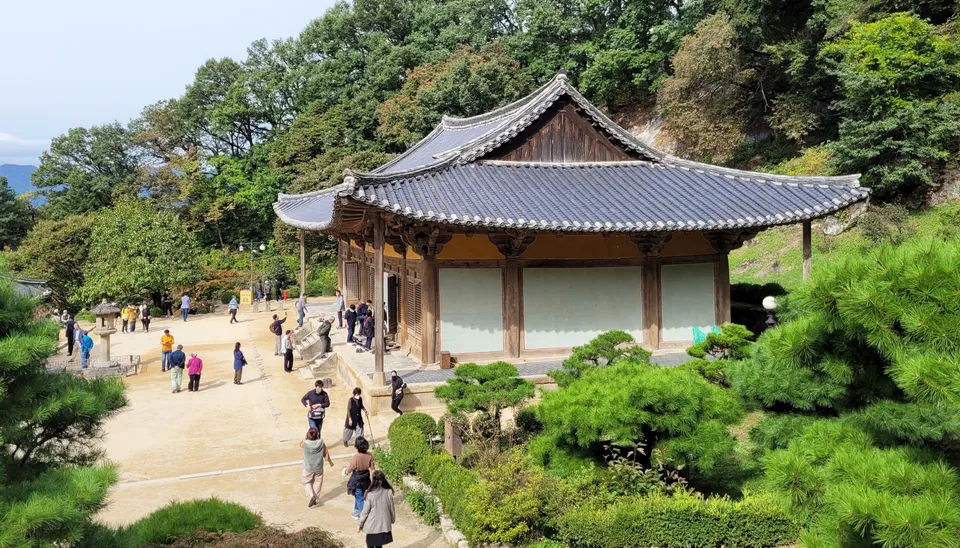
Muryangsujeon, main hall of Buseoksa in Yeongju, founded by Uisang in 676 (building from the Goryeo period)

Bernard Gagnon · CC0 · Source

Uisang went to Tang in 661, studied Huayan under Zhiyan and returned around 670. His Hwaeom ilseung beopgyedo summed up the teaching that "one is all and all is one". This vision of a harmonious whole is read as supporting social integration and strong kingship after unification.

Uisang also spread devotion to Avalokitesvara, who saves people from suffering in this life, and accepted disciples regardless of rank. His followers spread Hwaeom from Buseoksa, Naksansa and the other "ten Hwaeom temples".

The map in AD 676

OpenFreeMap © OpenMapTiles © OpenStreetMap contributors

States and rulers at the time
Silla — King Munmu
Places
Buseoksa Temple, Yeongju

People

  • UisangAD 625 – AD 702

    leader · Silla monk who brought Hwaeom (Huayan) Buddhism from Tang, founded Buseoksa, wrote the Hwaeom ilseung beopgyedo and spread devotion to Avalokitesvara

  • King MunmuAD 626 – AD 681

    monarch · Thirtieth king of Silla, who destroyed Goguryeo, expelled Tang and completed unification

Before and after

Themes that include this event

  • Intangible and World Heritage2000 BC – 1850

    From the dolmens to Namhansanseong on the World Heritage List, from Jongmyo ritual music to ssireum on the Intangible Heritage lists — where each came from and when it was inscribed