Hundred Days’ Reform and the Coup of 1898
Also called: Wuxu Reform, Hundred Days of Reform
Kang Youwei and Liang Qichao persuaded the Guangxu Emperor to launch reforms toward a constitutional monarchy on the Meiji model, but Empress Dowager Cixi’s coup ended them after about a hundred days.
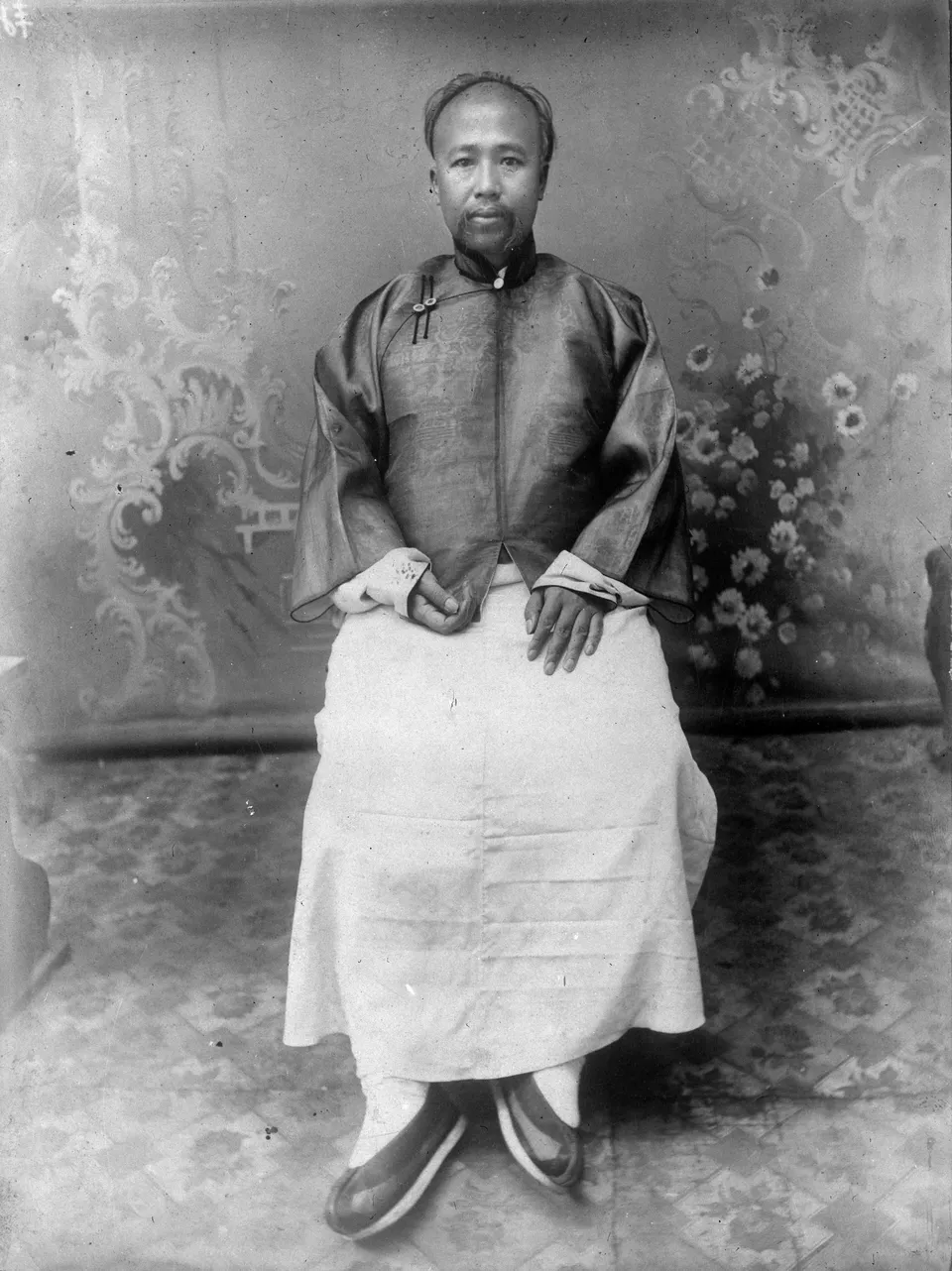
Defeat by Japan convinced many that borrowing technology alone, as in the Self-Strengthening Movement, was not enough. Kang Youwei petitioned against the Treaty of Shimonoseki and argued that China must change its institutions (bianfa) to grow strong. From 11 June 1898 the Guangxu Emperor, having taken him into service, issued edict after edict: reform of the examinations, modern schools and the Imperial University of Peking, streamlining of offices and a modern army. The goal was a constitutional monarchy with a constitution and parliament, like Japan’s.
The reforms provoked conservatives, and on 21 September Empress Dowager Cixi staged a coup, ending them after 103 days (the Wuxu Coup). The emperor was confined, Tan Sitong and five others were executed, and Kang and Liang fled to Japan. That same year in Korea the Independence Club held mass assemblies demanding a parliament, but it was dissolved at the end of the year.