Institutions over timeAD 375 – 193117 events

Writing Korean History

From the Seogi, Guksa and Sinjip to the Joseon sanggosa — history-writing as royal display, Confucian record, assertion of independence and nationalist scholarship

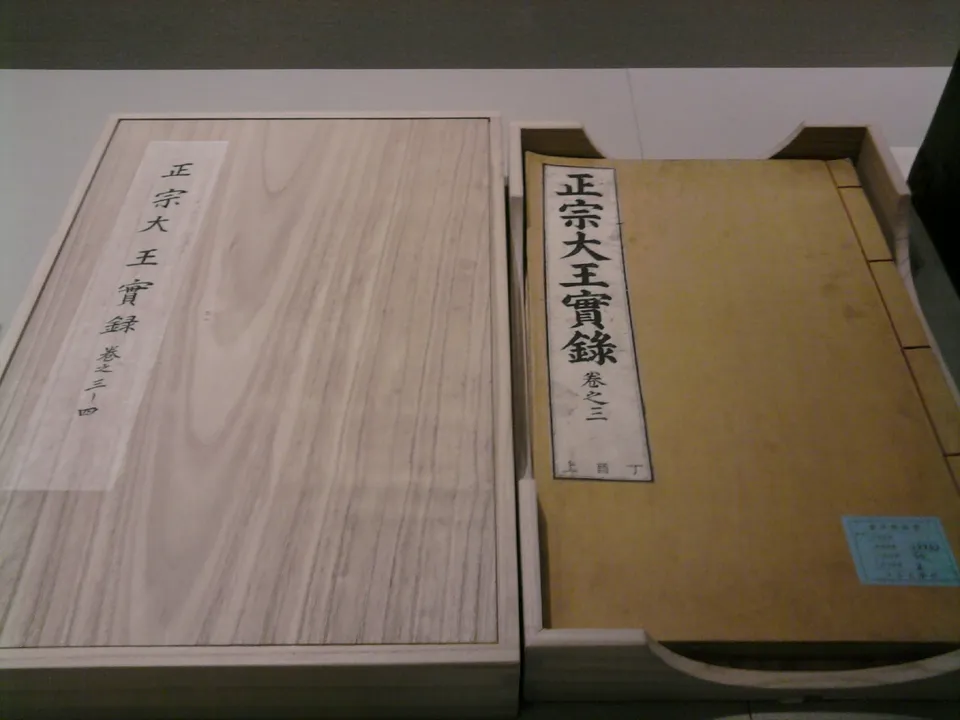
조선왕조실록과 실록을 담던 궤
조선왕조실록과 실록을 담던 궤

Salamander724 · Public domain · Source

At a glance

WorkPeriod / authorFeatures (view, form)
SeogiBaekje, Geunchogo / Go HeungFirst Baekje history; lost
GuksaSilla, Jinheung (545) / GeochilbuProposed by Isabu; royal display; lost
Yugi → SinjipGoguryeo, Yeongyang (600) / Yi Mun-jin100-volume Yugi cut to 5-volume Sinjip
Annals of Seven ReignsGoryeo, Hyeonjong–Deokjong / Hwang Ju-ryangRebuilt records burned by the Khitan; lost
Samguk sagiGoryeo, Injong (1145) / Kim Bu-sikOldest extant; annals-biographies; Confucian; Silla line
Dongmyeongwang-pyeonGoryeo, Myeongjong (1193) / Yi Gyu-boHeroic epic; Goguryeo succession
Haedong goseungjeonGoryeo, Gojong (1215) / GakhunLives of Three Kingdoms monks
Samguk yusaGoryeo, Chungnyeol (c. 1281) / IryeonFirst Dangun record; Buddhist lore; 14 hyangga
Jewang ungiGoryeo, Chungnyeol (1287) / Yi Seung-hyuDangun as founder; equal to China; Balhae included
SaryakLate Goryeo / Yi Je-hyeonNeo-Confucian view; lost
Goryeosa / Goryeosa jeoryoJoseon, Munjong (1451, 1452) / Jeong In-ji, Kim Jong-seoAnnals-biographies / chronological
Annals of the Joseon DynastyJoseon, Taejo–Cheoljong / annals officeChronological; historians’ drafts; Memory of the World
Dongguk tonggamJoseon, Seongjong (1485) / Seo Geo-jeongChronological history, Gojoseon to Goryeo
Dongsa gangmokLate Joseon (1778) / An Jeong-bokOutline-detail form; own legitimacy line; critical
BalhaegoJoseon, Jeongjo (1784) / Yu Deuk-gongCoined "North–South States"; Balhae as Korean
Yeollyeosil gisul / Haedong yeoksaLate Joseon / Yi Geung-ik, Han Chi-yunTopical narrative / 500+ foreign sources
Doksa sillonKorean Empire (1908) / Sin Chae-hoNation-centred history begins; serialised
Hanguk tongsaColonial era (1915) / Park Eun-sikNational soul; history of Japanese aggression
Joseon sanggosaColonial era (1931) / Sin Chae-hoHistory as "self vs. non-self"; ancient history

The theme on the map

OpenFreeMap © OpenMapTiles © OpenStreetMap contributors

17 events in this theme

  1. Under King Geunchogo, the scholar Go Heung is said to have compiled the Seogi, a record of Baekje’s history.

  2. Under King Jinheung, on Isabu’s advice, Geochilbu and others compiled the Guksa, a history of Silla.

  3. Under King Yeongyang, the Taehak scholar Yi Mun-jin condensed the 100-volume Yugi, Goguryeo’s early history, into the five-volume Sinjip.

  4. After Gaegyeong burned in the second Khitan invasion and the records were lost, the annals of the seven kings from Taejo to Mokjong were compiled anew from Hyeonjong’s reign and completed under Deokjong.

  5. By order of King Injong, Kim Bu-sik and others compiled the Samguk sagi, a 50-volume annals-and-biographies history of Goguryeo, Baekje and Silla and the oldest surviving Korean history.

  6. Yi Gyu-bo retold the story of King Dongmyeong (Jumong), founder of Goguryeo, as a long narrative poem.

  7. The monk Gakhun, by order of King Gojong, wrote the Haedong goseungjeon, biographies of eminent monks of the Three Kingdoms.

  8. The monk Iryeon compiled the Samguk yusa, recording the Dangun founding legend of Gojoseon, Buddhist history, folk tales and hyangga songs — an assertion of Korean historical identity under Yuan domination.

  9. Yi Seung-hyu wrote the Jewang ungi, a verse history of China and Korea, and presented it to King Chungnyeol. It made Dangun the founder of Korean history.

  10. Under King Taejong the Annals of King Taejo were compiled, beginning the practice of compiling each king’s annals after his death. They cover 472 years, from Taejo to Cheoljong, in chronological form.

  11. Under King Munjong, Jeong In-ji, Kim Jong-seo and others completed the Goryeosa, a history of Goryeo in annals-and-biographies form. The chronological Goryeosa jeoryo followed the next year.

  12. Under King Seongjong, Seo Geo-jeong and others published the Dongguk tonggam, a chronological general history from Gojoseon to the end of Goryeo.

  13. An Jeong-bok completed the Dongsa gangmok, a history from Gojoseon to the end of Goryeo in outline-and-details form that set out an independent line of legitimacy for Korean history.

  14. In Balhaego, Yu Deuk-gong placed Balhae in Korean history and first called the age of Silla and Balhae the “Northern and Southern States”.

  15. Sin Chae-ho serialised the Doksa sillon ("A New Reading of History") in the Daehan Maeil Sinbo, beginning a history centred on the nation.

  16. In Shanghai Park Eun-sik published the Painful History of Korea, tracing Japanese aggression since the opening of the ports. He argued that if the nation’s spirit survived, the country could be regained.

  17. Sin Chae-ho’s Ancient History of Joseon was serialized in the Chosun Ilbo. It saw history as "the struggle between self and non-self" and stressed the autonomy of Korea’s ancient past.

Key people

  • King Chungnyeol1236 – 1308

    Twenty-fifth king of Goryeo and the first to marry a Yuan princess; Goryeo was drawn into the invasions of Japan

  • Sin Chae-ho1880 – 1936

    Nationalist historian who wrote the Ancient History of Joseon and the Declaration of the Korean Revolution; died in Lüshun Prison

  • King GeunchogoAD 375

    Thirteenth king of Baekje, who absorbed Mahan and attacked Pyongyang in its golden age

  • Go Heung

    Baekje erudite under King Geunchogo who is said to have compiled the history Seogi

  • King JinheungAD 534 – AD 576

    Twenty-fourth king of Silla, who took the Han River basin and Daegaya, raised border steles and organized the hwarang

  • Isabu

    Silla general who subdued Usan-guk with wooden lions and later conquered Daegaya

  • Geochilbu

    Silla minister and general under King Jinheung who compiled the history Guksa and took ten districts of the upper Han River from Goguryeo in 551

  • King YeongyangAD 618

    Twenty-sixth king of Goguryeo, who struck Liaoxi and repelled the Sui invasions

  • Yi Mun-jin

    Goguryeo scholar of the Taehak under King Yeongyang who condensed the 100-volume Yugi into the five-volume Sinjip

  • King HyeonjongAD 992 – 1031

    Eighth king of Goryeo, who weathered the second and third Khitan invasions and began the first Tripitaka

  • Kim Bu-sik1075 – 1151

    Confucian aristocrat of Gaegyeong who crushed Myocheong’s revolt and compiled the Samguk sagi in 1145

  • King Injong1109 – 1146

    Seventeenth king of Goryeo, who faced the revolts of Yi Ja-gyeom and Myocheong and commissioned the Samguk sagi