War in the Vendée
Also called: Vendée uprising, Infernal columns, Noyades of Nantes
Resisting the levy of 300,000 men, the peasants of western France rose for king and Catholic faith; repression and reprisals killed well over a hundred thousand.
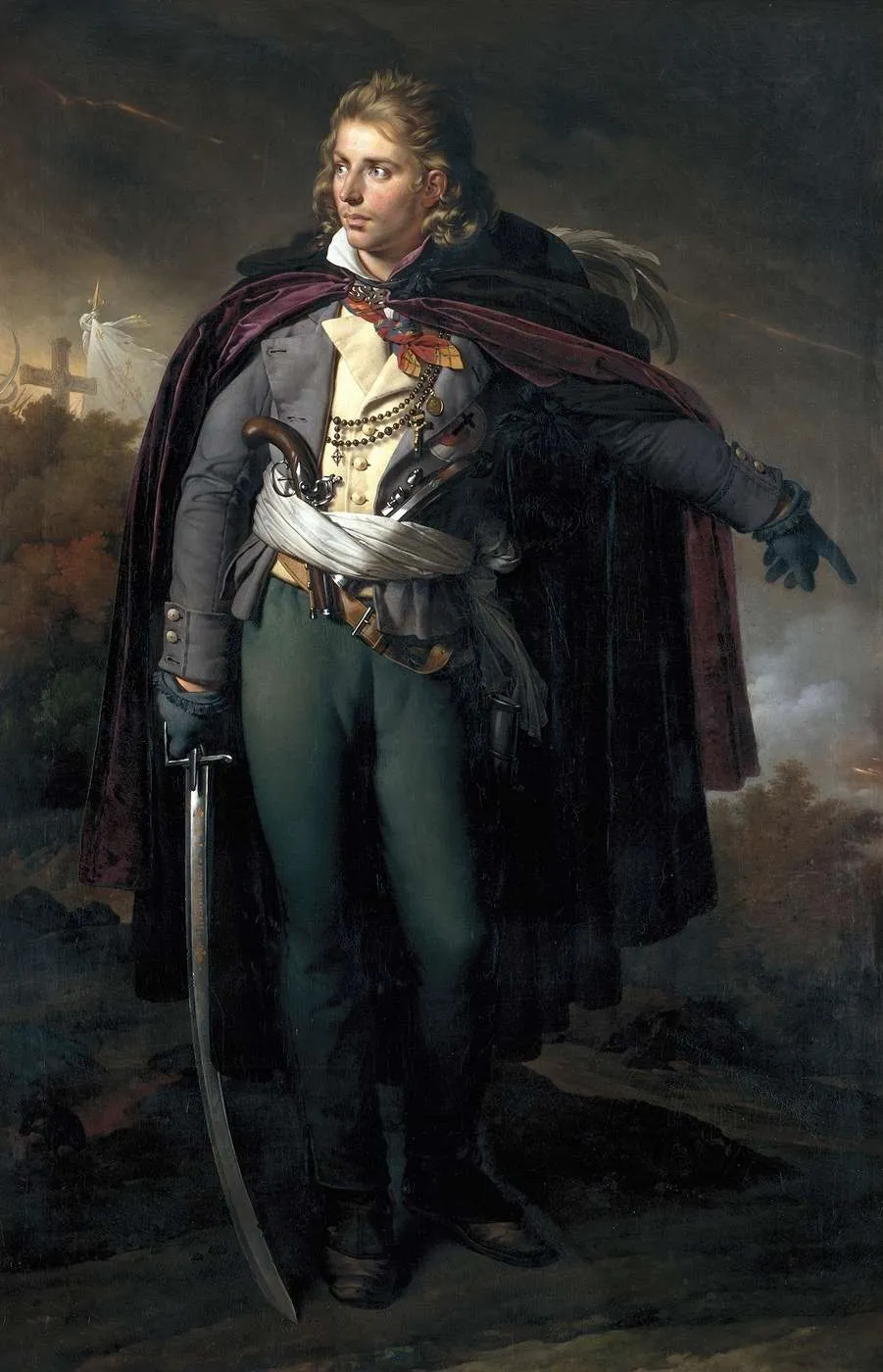
Anne-Louis Girodet · Public domain · Source
When the Convention decreed a levy of 300,000 men in February 1793, the peasants of the Vendée in the west, already alienated by the Civil Constitution of the Clergy, rose in March. Led by commoners such as the carter Cathelineau and nobles such as La Rochejaquelein, the “Catholic and Royal Army” won a string of victories, taking Saumur, but failed to take Nantes in June.
Heavily defeated at Cholet in October, the rebels crossed the Loire northward and were destroyed at Savenay in December. At Nantes Carrier had prisoners drowned in the river (the noyades), and in 1794 General Turreau’s “infernal columns” burned villages and massacred inhabitants. Some 170,000 soldiers and civilians are thought to have died in the insurgent region, though estimates vary widely, and how to name these killings is still debated.