French Revolution
A popular revolution overthrew the absolute monarchy and founded a republic, spreading the ideals of liberty, equality and fraternity.
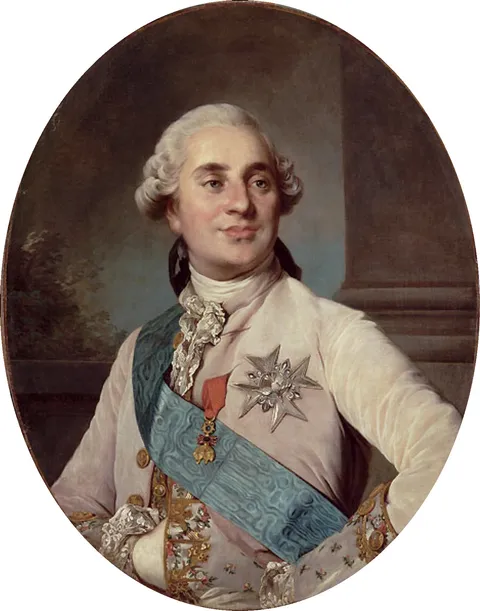
Eighteenth-century France was an Old Regime society in which the clergy (First Estate) and nobility (Second Estate) enjoyed privileges while the commoners (Third Estate), most of the population, bore the burden of taxation. With Enlightenment ideas spreading and the treasury drained by, among other things, support for the American War of Independence, Louis XVI summoned the Estates-General in May 1789 for the first time in 175 years.
Rejecting voting by estate, the Third Estate deputies formed the National Assembly, and the revolution gathered force when Parisians stormed the Bastille on 14 July. The Assembly abolished feudal privileges, issued the Declaration of the Rights of Man and of the Citizen, and in 1791 produced a constitution for a constitutional monarchy. When war broke out with Austria and Prussia, the National Convention abolished the monarchy and proclaimed a republic in 1792, executing Louis XVI the following year.
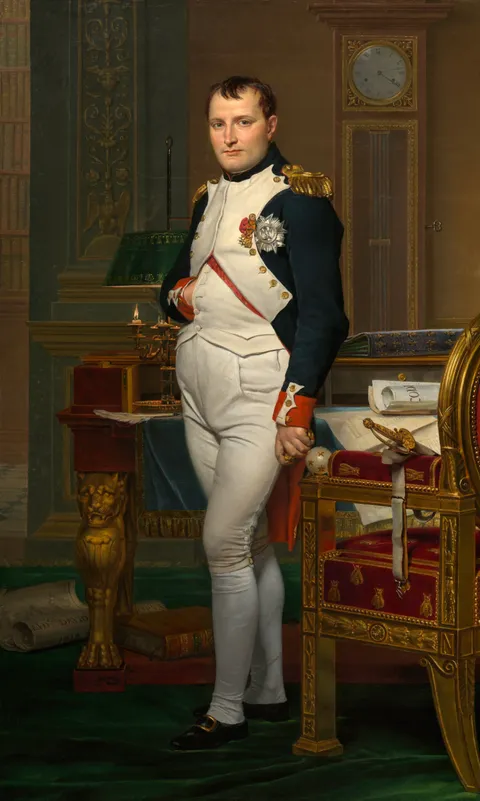
The Jacobins under Robespierre imposed the Reign of Terror against foreign intervention and rebellion at home, but fell in the Thermidorian Reaction of 1794. When the Directory that followed failed to restore order, Napoleon seized power in the coup of 18 Brumaire in 1799, bringing the revolutionary decade to a close.
The French Revolution was the classic bourgeois revolution, overturning the society of orders and establishing the principles of liberty, equality and popular sovereignty. Through the Napoleonic Wars its ideals and nationalism spread across Europe, laying the foundations of 19th-century liberal and nationalist movements.